
Testosterone boosters are everywhere today. You may see them in supplement stores, online ads, gym conversations, and social media videos. Many products promise more energy, better workouts, stronger muscles, improved sex drive, and a more “manly” feeling. For men who feel tired, weak, or less interested in sex, these promises can sound very attractive.
But before taking any testosterone booster, it is important to ask one serious question: Are testosterone boosters safe?
The honest answer is: some may be safe for certain healthy adults, but many are not well-proven, and they are not risk-free. A product that says “natural” on the label is not always safe. A supplement can still cause side effects, interact with medicines, or contain ingredients that are too strong for your body.
This guide explains the truth in simple words, so you can make a safer choice for your health.
What Are Testosterone Boosters?
Testosterone boosters are supplements that claim to support or increase testosterone levels. They are usually sold without a prescription and may come as capsules, tablets, powders, or gummies. Many contain ingredients like zinc, magnesium, vitamin D, ashwagandha, fenugreek, tongkat ali, tribulus terrestris, D-aspartic acid, boron, or herbal blends.
These boosters are not the same as testosterone replacement therapy, also called TRT. TRT is a medical treatment prescribed by a doctor for men who have confirmed low testosterone due to a medical condition. It may come as a gel, injection, patch, implant, or other prescription form. Over-the-counter testosterone boosters are dietary supplements, and they do not go through the same approval process as prescription medicines. The FDA explains that dietary supplements are meant to add to the diet, not diagnose, treat, cure, or prevent disease.
The GoodRxMedicine reference article also explains that testosterone boosters can contain many different ingredients, so their safety and effectiveness can vary from one product to another.
-
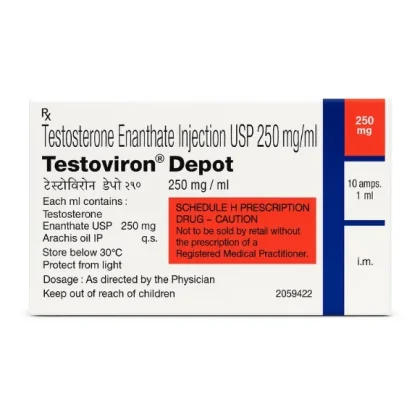
Testoviron Depot 250
Body Building7 reviewsPrice range: $230.00 through $820.00 Select options This product has multiple variants. The options may be chosen on the product page -
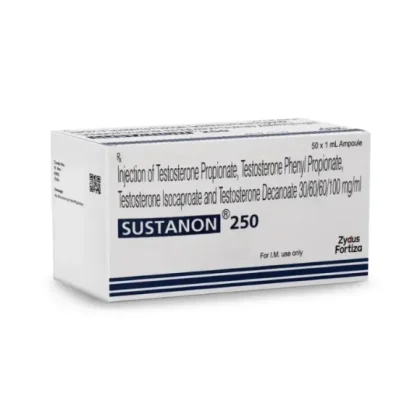
Sustanon 250
Body Building6 reviewsPrice range: $90.00 through $560.00 Select options This product has multiple variants. The options may be chosen on the product page -
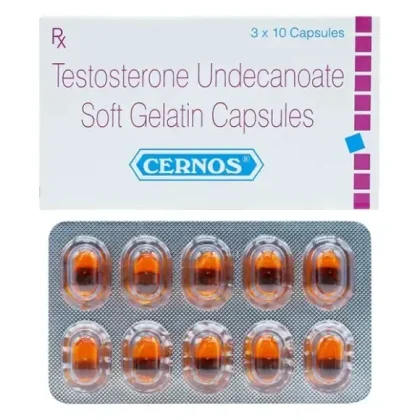
Cernos 40 mg Softgel
Erectile Dysfunction4 reviewsPrice range: $91.00 through $177.00 Select options This product has multiple variants. The options may be chosen on the product page
Why Do Men Take Testosterone Boosters?
Most men take testosterone boosters because they want to feel better. Common reasons include low energy, low sex drive, poor gym performance, loss of muscle, weight gain, mood changes, and problems with erections.
These symptoms can happen with low testosterone, but they can also happen for many other reasons. MedlinePlus notes that low testosterone may affect sex drive, mood, muscle, fat, and energy, but similar symptoms can also be related to aging, medicines, thyroid problems, obesity, diabetes, depression, or other health issues.
That is why guessing is not a good idea. A man may think he has low testosterone when the real issue is poor sleep, stress, alcohol use, high blood pressure, depression, or a medication side effect. Taking a booster without checking the real cause may delay proper treatment.
Do Testosterone Boosters Really Work?
Some ingredients may help if your body is low in that nutrient. For example, zinc, magnesium, and vitamin D are important for overall health. If you are truly deficient, correcting that deficiency may support normal hormone function.
However, that does not mean every testosterone booster works. More is not always better. Taking high amounts of vitamins, minerals, or herbs does not automatically raise testosterone in a healthy man.
A study in the World Journal of Men’s Health looked at 50 testosterone-boosting supplements. Researchers found that 90% claimed to “boost testosterone,” but only 24.8% had data supporting an increase in testosterone. The same review found no testosterone-related data for 61.5% of supplement ingredients, and some products contained vitamin or mineral doses above recommended upper limits.
In simple words, many products make strong claims, but the science behind them is often weak.
Are Testosterone Boosters Safe?
Testosterone boosters are not automatically dangerous, but they are not automatically safe either. Safety depends on the product, the dose, your age, your health history, and whether you take other medicines, including testosterone-based medicines such as Testoviron Depot 250, Testenate Depot 250, Sustaviron 250, Sustanon 250, and Cernos 40 mg Softgel.
The FDA advises people to talk with a healthcare professional before taking dietary supplements because some supplements can have strong effects in the body, interact with medications, interfere with lab tests, or cause problems during surgery. Risks can increase when people combine supplements, mix supplements with medicines, take too much, or use supplements instead of needed medical care.
One big concern is product quality. Some bodybuilding and hormone-related products have been found to contain hidden steroids or steroid-like substances. The FDA warns that some bodybuilding products may illegally contain these substances and may be linked to serious risks such as liver injury, severe acne, hair loss, mood changes, aggression, sexual dysfunction, testicular shrinkage, kidney damage, heart attack, stroke, and blood clots.
This does not mean every testosterone booster contains hidden steroids. But it does mean buyers should be careful, especially with products that promise fast muscle gain, “extreme testosterone,” or steroid-like results.
Possible Side Effects of Testosterone Boosters
Side effects depend on the ingredients. Some men may experience mild issues, while others may face more serious problems. Possible side effects include stomach upset, nausea, acne, oily skin, mood swings, headaches, changes in sleep, increased aggression, hair shedding, breast tenderness, or changes in sex drive.
Products that affect hormones may also create fertility concerns. Testosterone therapy can reduce sperm production, and the Endocrine Society recommends against starting testosterone therapy in men who are planning fertility in the near future. If an over-the-counter product contains hidden hormones or steroid-like substances, it may also disturb the body’s natural hormone balance.
High-dose vitamins and minerals can also be a problem. For example, zinc is important for health, but taking too much can cause issues and may interfere with copper levels over time. The NIH Office of Dietary Supplements provides upper-limit guidance for zinc intake, which is one reason high-dose supplement stacks should be used carefully.
Who Should Avoid Testosterone Boosters?
Some people should be extra careful and speak with a doctor before using any testosterone booster. This includes men with heart disease, high blood pressure, prostate problems, prostate cancer risk, breast cancer, liver disease, kidney disease, sleep apnea, diabetes, thyroid problems, mood disorders, or blood clot history.
You should also be careful if you take prescription medicines, especially blood thinners, blood pressure medicine, diabetes medicine, thyroid medicine, sedatives, seizure medicine, or hormone-related treatments.
Men under 18 should not use testosterone boosters unless a doctor specifically recommends care for a diagnosed condition. Men who are trying to have children should also avoid experimenting with hormone-related products.
How to Know If You Really Have Low Testosterone
The safest first step is testing, not guessing. The Endocrine Society recommends diagnosing testosterone deficiency only when a man has symptoms and consistently low testosterone levels. It also recommends confirming the diagnosis with a repeat morning fasting testosterone test.
This matters because testosterone levels change during the day. A single low result may not tell the full story. A doctor may also check other possible causes, such as thyroid disease, depression, obesity, medication side effects, or sleep problems.
Natural Ways to Support Healthy Testosterone
Before using a booster, many men can start with lifestyle changes that support hormone health. These steps are not magic, but they are safer and better for long-term wellness.
Get enough sleep each night. Poor sleep can affect energy, mood, appetite, and hormone balance. Exercise regularly, especially strength training. Maintain a healthy weight, because excess body fat is linked with lower testosterone levels. Eat a balanced diet with protein, healthy fats, vegetables, fruits, and whole foods. Limit heavy alcohol use. Manage stress with walking, breathing exercises, therapy, or better daily routines. Also, ask your doctor about checking vitamin D, zinc, blood sugar, thyroid, and other labs if symptoms continue.
Final Verdict: Are Testosterone Boosters Safe?
Testosterone boosters may be safe for some healthy adults when used carefully, but they are not a guaranteed solution. Many products are not backed by strong research, and some may contain high doses or risky ingredients. The biggest mistake is using them without knowing whether you actually have low testosterone.
If you have symptoms like low sex drive, tiredness, mood changes, weight gain, or erection problems, talk to a healthcare provider and get proper testing. Your health is worth more than a quick promise on a supplement label.
Testosterone boosters are not always bad, but they should be used with caution, realistic expectations, and medical guidance.
FAQs
Are testosterone boosters safe for daily use?
Some may be safe for short-term use in healthy adults, but daily use is not risk-free. Safety depends on the ingredients, dose, product quality, and your medical history. It is best to ask a doctor or pharmacist before taking them regularly.
Can testosterone boosters increase muscle?
They may help only if low testosterone or a nutrient deficiency is affecting your muscle growth. For most men, strength training, sleep, protein intake, and overall diet matter more than a supplement.
Are natural testosterone boosters safer than prescription testosterone?
Not always. “Natural” does not always mean safe. Prescription testosterone is monitored by a doctor, while many over-the-counter boosters are not tested the same way before sale.
Can testosterone boosters affect fertility?
Yes, some hormone-related products may affect fertility, especially if they contain hidden steroids or testosterone-like ingredients. Men trying to have children should speak with a doctor before using them.
What is the safest way to raise testosterone?
The safest way is to first confirm whether your testosterone is truly low. Then improve sleep, exercise, weight, diet, and stress. If levels are medically low, your doctor can discuss proper treatment options.
When should I see a doctor?
See a doctor if you have low sex drive, erection problems, constant fatigue, depression, loss of muscle, increased belly fat, infertility concerns, or symptoms that do not improve with healthy lifestyle changes.
Citations
GoodRxTab only refers to credible, authoritative sources for our content. If you’re curious about how we ensure the integrity of our content, we encourage you to read our Content Information Policy.