
Fenbendazole
Fenbendazole is a veterinary medicine used to treat different types of parasitic worm infections in animals. It belongs to a group of medicines called benzimidazole anthelmintics, commonly known as deworming medicines. Veterinarians use it to help manage intestinal parasites in dogs, horses, cattle, and other animals.
Parasitic worms can affect an animal’s digestion, appetite, weight, and general health. Fenbendazole works by interfering with the parasites’ ability to survive, helping the animal’s body clear the infection.
Fenbendazole is available in different veterinary formulations, including granules, pastes, suspensions, and other oral preparations. The correct product and dosage depend on the animal, its weight, and the type of parasite being treated.
What Is Fenbendazole Used For?
Fenbendazole is mainly used in veterinary medicine to treat certain intestinal worm infections. Different products are approved for different animal species and parasites.
Depending on the product and animal, fenbendazole may be used against:
- Roundworms: Common intestinal parasites that can affect digestion and overall health.
- Hookworms: Parasites that attach to the intestinal lining and may cause blood loss.
- Whipworms: Worms that live in the large intestine and can cause digestive problems.
- Certain tapeworms: Some fenbendazole products are effective against specific tapeworm species.
Veterinarians may also use fenbendazole for certain other parasitic infections when appropriate.
Not every fenbendazole product treats every parasite. Identifying the infection is important before choosing a medicine.
How Does Fenbendazole Work?
Fenbendazole works by disrupting essential processes inside parasitic worms.
The medicine binds to a protein called beta-tubulin, which helps form tiny structures known as microtubules. Parasites need these structures for normal cellular functions, including nutrient absorption.
When fenbendazole interferes with microtubule formation, susceptible worms gradually lose their ability to absorb nutrients and maintain normal activity. This eventually causes them to die.
The treatment does not work against every type of parasite. Its effectiveness depends on the species of worm, the medicine used, and whether the correct veterinary treatment schedule is followed.
Available Forms of Fenbendazole
Fenbendazole comes in several veterinary formulations designed for different animals and treatment needs.
Common forms include oral granules, pastes, and liquid suspensions. Certain veterinary markets also offer tablet formulations.
The strength and concentration can vary considerably between products. For example, a formulation designed for livestock may not be suitable for a dog or another household pet.
Always check the product label and follow veterinary advice before administering fenbendazole.
How Is Fenbendazole Given?
Fenbendazole is generally administered by mouth. The method of administration depends on the formulation and the animal being treated.
Some granules may be mixed with an animal’s food, while pastes and suspensions are administered according to their specific instructions.
The appropriate dosage depends on several factors, including:
- Animal species and body weight
- Type of parasitic infection
- Product strength and formulation
- Recommended treatment duration
Certain infections require treatment over several days. Giving too little medicine or stopping treatment early may reduce its effectiveness.
For food-producing animals, the veterinarian must also consider approved uses and any required withdrawal periods.
Possible Side Effects of Fenbendazole
Fenbendazole is generally well tolerated by many animals when used according to approved veterinary instructions. However, side effects can occur.
Some animals may experience mild digestive symptoms, including vomiting or changes in stool.
Rare but serious blood-related problems have also been reported in dogs receiving fenbendazole for longer than the approved treatment duration.
Contact a veterinarian if an animal develops unusual weakness, persistent vomiting, loss of appetite, or other concerning symptoms during treatment.
Important Safety Information
Fenbendazole is intended for veterinary use and is not approved by the US Food and Drug Administration (FDA) for treating humans.
Although it has received attention online for possible human uses, including cancer treatment, there is no reliable clinical evidence establishing it as a safe or effective cancer treatment in people. Human use has also been linked to liver injury.
Animal formulations should never be used as substitutes for approved human medicines.
For animals, the appropriate product should be selected with guidance from a veterinarian. Extra care is needed when treating young, pregnant, sick, or medically vulnerable animals.
Frequently Asked Questions
Is fenbendazole a deworming medicine?
Yes. Fenbendazole is an anthelmintic medicine used in veterinary care to treat certain parasitic worm infections.
Can fenbendazole be used for dogs?
Yes. Certain fenbendazole products are approved for dogs and treat specific intestinal parasites. Use the correct product according to its label or veterinary instructions.
How long does fenbendazole take to work?
The treatment period varies depending on the parasite, animal species, and formulation. Some infections require several days of treatment.
Can humans take fenbendazole?
Fenbendazole is not FDA-approved for human use. Its safety and effectiveness for treating human diseases have not been established.
Can fenbendazole treat every intestinal worm?
No. Fenbendazole works against particular parasites. A veterinarian can identify the infection and recommend a suitable treatment.
Final Thoughts
Fenbendazole plays an important role in veterinary parasite control. When used correctly, it can help treat certain intestinal worm infections and support an animal’s health.
Choosing the right formulation, following the prescribed treatment schedule, and seeking veterinary guidance are important for safe and effective use.
Fenbendazole should only be used for appropriate veterinary purposes and should not be taken as a human medicine.
Showing all 4 results
-
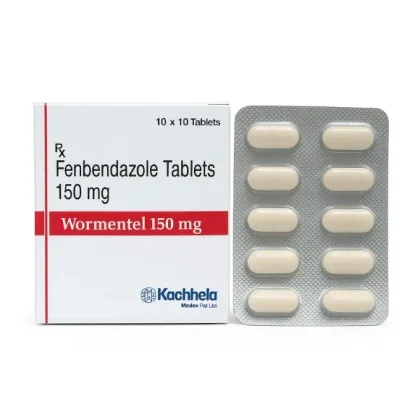
Wormentel 150 mg Tablet (Fenbendazole)
Fenbendazole6 reviewsPrice range: $66.00 through $475.00 Select options This product has multiple variants. The options may be chosen on the product page -
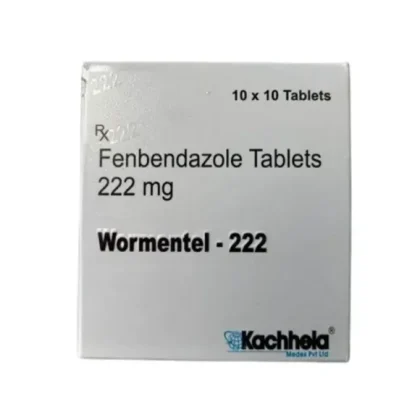
Wormentel 222 mg Tablet (Fenbendazole)
Fenbendazole6 reviewsPrice range: $78.00 through $600.00 Select options This product has multiple variants. The options may be chosen on the product page -
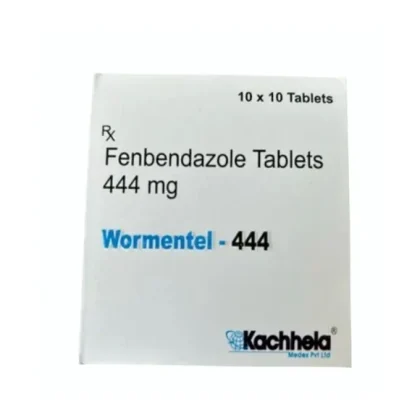
Wormentel 444 mg Tablet (Fenbendazole)
Fenbendazole5 reviewsPrice range: $93.00 through $658.00 Select options This product has multiple variants. The options may be chosen on the product page -
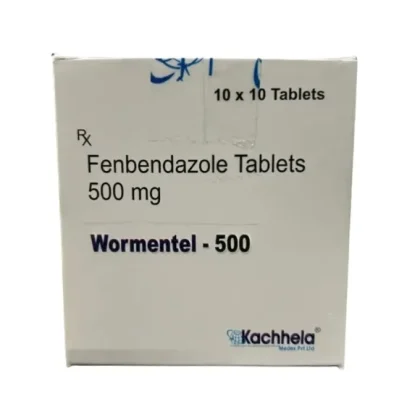
Wormentel 500 mg Tablet (Fenbendazole)
Fenbendazole6 reviewsPrice range: $99.00 through $750.00 Select options This product has multiple variants. The options may be chosen on the product page