
Ivermectin
Ivermectin is an antiparasitic medicine used to treat certain infections caused by worms and other parasites. These infections can affect the intestines, skin, and other parts of the body. Ivermectin helps control these infections by acting against the parasites responsible for them.
Doctors prescribe ivermectin for specific parasitic diseases, including strongyloidiasis and onchocerciasis. It may also be used for certain other conditions, such as scabies, when a healthcare professional considers it appropriate.
Ivermectin is available in different forms, including oral tablets and topical preparations. The right treatment depends on the type of infection, the patient’s medical history, and other health factors.
What Is Ivermectin?
Ivermectin belongs to a group of medicines called antiparasitic agents. It has been used for many years to treat selected parasitic infections in humans.
Some parasites live inside the body, while others affect the skin. Ivermectin works against certain parasites, but it is not suitable for every type of parasitic infection.
Oral ivermectin is a prescription medicine in the United States. It should be used only after a healthcare professional confirms that it is an appropriate treatment.
What Is Ivermectin Used For?
Ivermectin is prescribed for specific parasitic infections. Its main medical uses include:
- Strongyloidiasis: An intestinal infection caused by a type of roundworm known as Strongyloides stercoralis.
- Onchocerciasis: Also called river blindness, this infection can affect the skin and eyes.
- Scabies: A skin infestation caused by tiny mites. Doctors may prescribe oral ivermectin in certain cases, although this use is not FDA-approved.
- Head lice: Certain topical ivermectin products are approved to treat head lice.
Ivermectin is not an antibiotic and does not treat ordinary bacterial infections. It is also not approved by the FDA to prevent or treat COVID-19.
How Does Ivermectin Work?
Ivermectin affects the nerve and muscle activity of susceptible parasites. It interferes with the signals they need to move and survive.
This action causes paralysis or death in certain parasites, allowing the body to clear the infection.
The way ivermectin helps depends on the parasite involved. For example, it acts against intestinal threadworms and the immature worms responsible for symptoms of onchocerciasis.
However, ivermectin does not kill the adult worms that cause onchocerciasis, so additional or repeated treatment may be necessary.
Available Ivermectin Tablet Strengths
Ivermectin tablets may be available in different strengths depending on the manufacturer and country.
Some products include:
- Ivermectin 3 mg
- Ivermectin 6 mg
- Ivermectin 12 mg
Not every strength is approved or marketed in every country. A higher-strength tablet is not automatically a better option.
Doctors calculate the appropriate dose based on body weight, the infection being treated, and other medical considerations.
How to Take Ivermectin Safely
Ivermectin tablets should be taken exactly as prescribed by a healthcare professional.
For FDA-approved oral uses, ivermectin is generally taken on an empty stomach with water. However, instructions may differ for certain conditions, including scabies.
Some infections require a single treatment, while others may need additional doses or follow-up testing.
Do not increase the dose, repeat treatment, or combine ivermectin with other medicines without medical advice.
Possible Side Effects of Ivermectin
Like other prescription medicines, ivermectin can cause side effects. Most are manageable, but some may require medical attention.
Commonly reported side effects include:
- Nausea or stomach discomfort
- Diarrhea
- Dizziness
- Loss of appetite
- Weakness or tiredness
- Headache
Serious reactions, including confusion, seizures, severe skin reactions, or difficulty walking, need immediate medical attention.
The risk of side effects may also depend on the infection being treated.
Precautions Before Taking Ivermectin
Before using ivermectin, tell your doctor about any existing medical conditions, allergies, and medicines you currently take.
Extra care may be necessary for pregnant or breastfeeding women, young children, and people with certain other parasitic infections.
Ivermectin can interact with medicines such as warfarin and may increase the risk of unwanted effects.
Never use ivermectin products intended for animals. Veterinary formulations may contain different concentrations or ingredients and can cause serious harm in humans.
Frequently Asked Questions
Is ivermectin used for worm infections?
Yes. Oral ivermectin is approved to treat certain worm infections, including intestinal strongyloidiasis and onchocerciasis.
Can ivermectin treat scabies?
Doctors sometimes prescribe oral ivermectin for scabies. This is an off-label use in the United States, and treatment may require more than one dose.
Can ivermectin be taken every day?
Ivermectin is not normally taken every day for common approved indications. The treatment schedule depends on the infection and the doctor’s instructions.
Is ivermectin safe for everyone?
No. Ivermectin may not be suitable for some patients, particularly those with certain medical conditions or medication interactions. Medical advice is necessary before use.
Conclusion
Ivermectin is an established treatment for certain parasitic infections, including intestinal strongyloidiasis and onchocerciasis. It also has other medical uses when prescribed appropriately.
Choosing the correct treatment requires an accurate diagnosis and a suitable dose. Always follow professional medical advice and use human ivermectin products obtained from a legitimate pharmacy.
Showing all 5 results
-
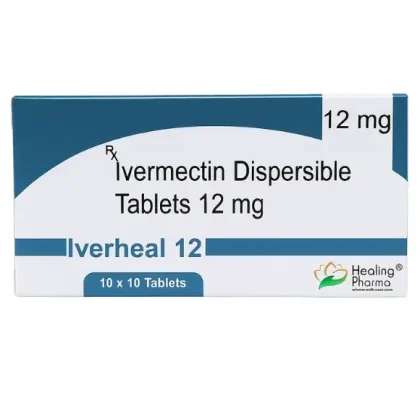
Iverheal 12 mg Tablet (Ivermectin)
Ivermectin4 reviewsPrice range: $50.00 through $345.00 Select options This product has multiple variants. The options may be chosen on the product page -
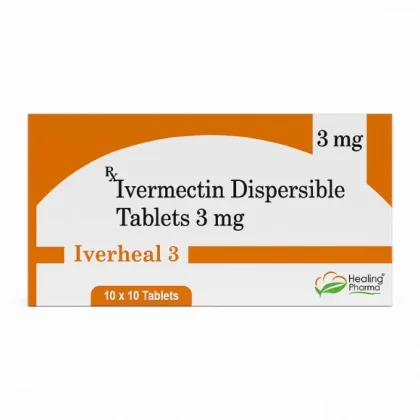
Iverheal 3 mg Tablet (Ivermectin)
Ivermectin4 reviewsPrice range: $33.00 through $490.00 Select options This product has multiple variants. The options may be chosen on the product page -
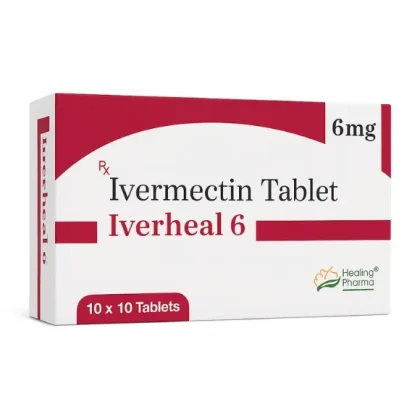
Iverheal 6 mg Tablet (Ivermectin)
Ivermectin4 reviewsPrice range: $37.00 through $550.00 Select options This product has multiple variants. The options may be chosen on the product page -
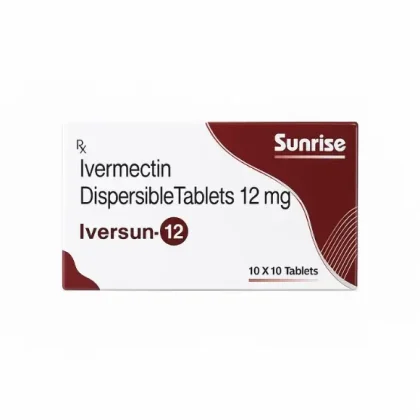
Iversun 12 mg Tablet (Ivermectin)
Ivermectin5 reviewsPrice range: $70.00 through $670.00 Select options This product has multiple variants. The options may be chosen on the product page -
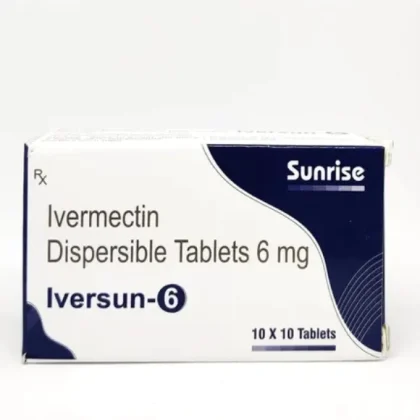
Iversun 6 mg Tablet (Ivermectin)
Ivermectin4 reviewsPrice range: $70.00 through $550.00 Select options This product has multiple variants. The options may be chosen on the product page