
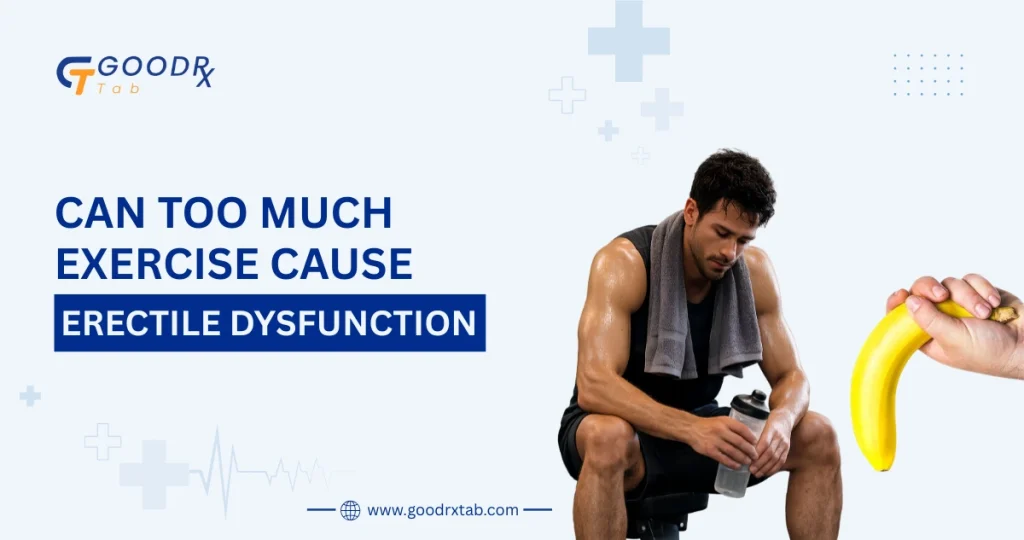
Exercise is usually considered good for sexual health. Regular physical activity supports heart health, improves blood circulation, helps control body weight, reduces stress, and may improve confidence. All these benefits can support healthy erections.
However, exercising harder and longer is not always better. When intense training is combined with poor sleep, inadequate nutrition, dehydration, or insufficient rest, the body may struggle to recover. This can cause physical exhaustion, increased stress, reduced sexual desire, and temporary erection problems.
So, can too much exercise cause erectile dysfunction? Exercise itself is not a common cause of ED. In most cases, regular exercise reduces the risk. However, overtraining and certain exercise-related habits may indirectly affect erectile function.
What Is Erectile Dysfunction?
Erectile dysfunction, commonly known as ED, is the repeated difficulty in getting or maintaining an erection firm enough for sexual activity.
Having an occasional erection problem does not always mean that a man has ED. Temporary difficulties may happen because of tiredness, stress, alcohol use, relationship concerns, or lack of sleep. It becomes a concern when the problem happens frequently or continues for several weeks.
Common symptoms may include:
- Difficulty getting an erection
- Trouble maintaining an erection
- Erections that are not firm enough
- Reduced sexual desire
- Anxiety about sexual performance
ED can be connected with health conditions affecting blood vessels, hormones, or nerves. Diabetes, high blood pressure, cardiovascular disease, obesity, low testosterone, certain medicines, anxiety, depression, and smoking may all contribute to erectile difficulties.
Can Exercise Cause Erectile Dysfunction?
Normal exercise does not usually cause erectile dysfunction. In fact, being physically inactive is considered a risk factor for ED.
An erection depends partly on healthy blood circulation. During arousal, blood vessels need to relax so that enough blood can enter the penis. Regular aerobic exercise supports cardiovascular health and may help blood vessels work more effectively.
Walking, jogging, swimming, dancing, and moderate cycling may also help manage body weight, blood sugar, cholesterol, and stress. These benefits may reduce several common ED risk factors.
The problem is not exercise itself. Problems may develop when the amount of exercise exceeds the body’s ability to recover.
How Overtraining May Affect Erections
Overtraining happens when someone performs frequent, intense workouts without giving the body enough time to recover. It is more than feeling tired after one difficult gym session. It is usually a continuing pattern of exhaustion, reduced performance, soreness, mood changes, and poor recovery.
Excessive training may affect erectile function in several ways.
Physical Exhaustion
Sexual activity requires physical and mental energy. A person who is constantly tired from intense workouts may have less interest in sex and may find it harder to become aroused.
Temporary erection problems after a very demanding training day may simply be related to fatigue. However, regularly feeling exhausted may be a sign that the training schedule needs to be adjusted.
Increased Physical Stress
Intense exercise temporarily increases physical stress. This is normally not harmful because the body recovers after the workout.
When intense training continues without enough rest, the body may remain under ongoing stress. This can affect sleep, mood, concentration, and sexual interest. Stress and anxiety may also make getting or maintaining an erection more difficult.
Insufficient Calorie Intake
Men who exercise heavily but do not eat enough may develop low energy availability. This means the body does not have enough energy left to support all its normal functions after exercise.
This problem may occur among endurance athletes, bodybuilders following strict cutting diets, or men trying to lose weight too quickly. Inadequate calorie intake may contribute to fatigue, reduced performance, low libido, and changes in reproductive hormones.
Eating enough protein is important, but carbohydrates and healthy fats are also necessary. A highly restrictive diet combined with intense training may be harder on the body than the exercise alone.
Poor Sleep and Recovery
Muscles are not the only parts of the body that need recovery. The nervous system, hormones, and brain also need proper rest.
Poor sleep may reduce energy, increase irritability, and worsen stress. A man who trains daily but sleeps only a few hours each night may notice reduced sexual interest or less reliable erections.
Anabolic Steroid Use
Weightlifting itself does not normally cause ED. However, anabolic steroids and unregulated bodybuilding products can affect natural hormone production.
Steroid use may initially increase muscle growth and sexual desire, but prolonged use can suppress the body’s own testosterone production. Some men experience reduced libido, fertility problems, testicular changes, or erectile dysfunction, particularly after stopping steroids.
Testosterone or hormone products should not be used without medical testing and professional supervision.
Cycling and Erectile Dysfunction
Cycling is beneficial for cardiovascular fitness, but long periods on a bicycle seat may put pressure on the perineum. This is the area between the genitals and anus where important nerves and blood vessels are located.
Continuous pressure may cause genital numbness, tingling, discomfort, or temporary erection difficulties in some cyclists. A systematic review discussed in the reference article found an association between cycling and ED, although factors such as age, riding duration, saddle design, and bicycle setup may affect risk.
Cyclists may reduce pressure by:
- Using a properly fitted bicycle
- Choosing a comfortable, correctly sized saddle
- Avoiding a saddle that tilts too far upward
- Standing on the pedals regularly
- Taking breaks during long rides
- Adjusting the handlebars and seat height
- Seeking medical advice for persistent numbness
Cycling does not need to be avoided completely, but numbness should not be ignored.
Signs You May Be Exercising Too Much
The amount of exercise considered excessive differs from person to person. Warning signs may include:
- Continuing fatigue
- Reduced workout performance
- Difficulty sleeping
- Frequent muscle pain or injuries
- Irritability or low mood
- Loss of motivation
- Unplanned weight loss
- Frequent illness
- Lower sexual desire
- Fewer morning erections
- Repeated difficulty maintaining an erection
These symptoms can also be caused by medical conditions, medication side effects, or emotional stress. Therefore, it is important not to assume that exercise is always responsible.
Exercise Precautions for Men With ED
Men with ED usually benefit from regular physical activity. The goal should be consistency rather than extreme intensity.
A healthier exercise routine may include moderate aerobic activity, strength training, stretching, rest days, and gradual increases in training difficulty.
To exercise safely:
- Warm up before intense activity
- Drink enough water
- Avoid sudden increases in workout volume
- Eat enough to support your activity
- Include rest or lighter training days
- Get consistent sleep
- Avoid exercising through serious pain or exhaustion
- Stop using unregulated performance-enhancing products
People with heart disease, uncontrolled blood pressure, diabetes, or other health concerns should discuss a suitable exercise plan with a healthcare professional.
Other Common Causes of ED
Even when erection problems begin during a period of intense training, another condition may be responsible.
Physical causes may include diabetes, high cholesterol, heart disease, high blood pressure, nerve damage, obesity, low testosterone, pelvic injury, or side effects from medicines.
Psychological causes may include depression, anxiety, relationship difficulties, low self-confidence, and fear of sexual failure.
Smoking, heavy alcohol intake, recreational drugs, and physical inactivity may also increase the risk.
How Is Erectile Dysfunction Treated?
Treatment depends on the underlying cause. A healthcare professional may recommend lifestyle changes, counseling, changes to existing medicines, or treatment for conditions such as diabetes or high blood pressure.
Oral ED medicines may be prescribed when appropriate. Other options include vacuum erection devices, psychological therapy, injectable medicines, or surgical treatment in severe cases. Men should not start ED medicine or testosterone without proper medical guidance.
When Should You See a Doctor?
Consult a healthcare professional when erection problems continue for several weeks, happen regularly, or do not improve after reducing exercise and improving recovery.
Medical advice is especially important when ED occurs with chest pain, shortness of breath, genital numbness, very low libido, urinary symptoms, diabetes, or cardiovascular disease. Persistent ED can sometimes be a sign of another health problem.
Conclusion
Regular exercise is generally beneficial for erectile function and overall health. It improves circulation, supports cardiovascular fitness, and helps control several conditions linked with ED.
However, excessive exercise without enough food, sleep, hydration, and recovery may contribute to fatigue, stress, low libido, and temporary erection problems. Prolonged cycling pressure and anabolic steroid use may create additional risks.
The best approach is not to stop exercising, but to find a healthy balance. Follow a realistic workout routine, eat properly, rest when needed, and pay attention to changes in energy, mood, and sexual health. Seek medical advice when erection difficulties continue.
FAQs
Can overtraining cause erectile dysfunction?
Overtraining may indirectly contribute to erection problems by causing exhaustion, stress, poor sleep, inadequate nutrition, and reduced sexual desire.
Can weightlifting cause ED?
Normal weightlifting does not usually cause ED. Problems may be linked with extreme training, poor recovery, severe dieting, or anabolic steroid use.
Does cardio improve erectile function?
Moderate cardio may support erectile health by improving circulation, heart health, weight management, and blood vessel function.
Can cycling cause ED?
Long cycling sessions may place pressure on nerves and blood vessels in the perineum. Proper bicycle fitting, regular breaks, and a suitable saddle may help reduce the risk.
Should I stop exercising if I have erection problems?
Complete rest is not always necessary. Reduce excessive training, improve sleep and nutrition, and consult a healthcare professional if the problem continues.
Citations
GoodRxTab only refers to credible, authoritative sources for our content. If you’re curious about how we ensure the integrity of our content, we encourage you to read our Content Information Policy.