

Viagra has been helping men manage erectile dysfunction (ED) for more than two decades. Because it is so closely linked to male sexual performance, many people assume it might also increase testosterone levels. After all, testosterone is the hormone most commonly associated with libido, energy, confidence, and overall sexual health.
This has led to a common question among men dealing with erection problems:
Can Viagra actually boost testosterone levels?
The short answer is no—Viagra is not a testosterone booster. However, the complete story is a little more interesting. Some clinical studies have found that sildenafil, the active ingredient in Viagra, may cause modest increases in testosterone levels in certain men. These findings have created confusion about whether Viagra affects hormones or simply improves blood flow.
To understand what is really happening, it helps to look at how Viagra works, what researchers have discovered, and why testosterone and erectile function are often discussed together.
-

Cenforce 100 mg Tablet (Sildenafil)
Erectile Dysfunction17 reviewsPrice range: $25.00 through $300.00 Select options This product has multiple variants. The options may be chosen on the product page -
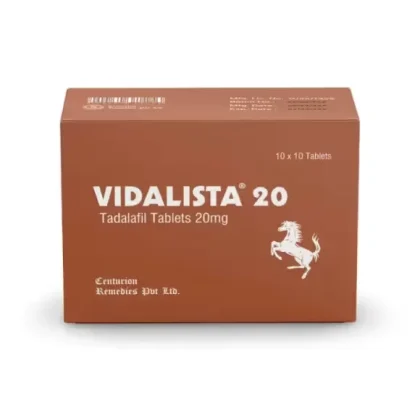
Vidalista 20 mg Tablet (Tadalafil)
Erectile Dysfunction18 reviewsPrice range: $24.00 through $270.00 Select options This product has multiple variants. The options may be chosen on the product page -
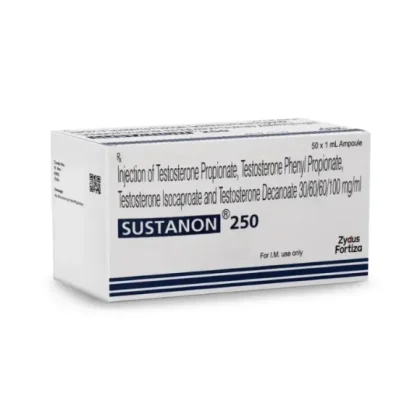
Sustanon 250 mg Injection (Testosterone Blend)
Body Building6 reviewsPrice range: $90.00 through $560.00 Select options This product has multiple variants. The options may be chosen on the product page
What Is Viagra and How Does It Work?
Viagra contains sildenafil citrate, a medication that belongs to a class of drugs known as PDE5 inhibitors.
When a man becomes sexually aroused, the body releases chemicals that relax blood vessels in the penis. Viagra enhances this process by increasing blood flow, making it easier to achieve and maintain an erection.
The important thing to understand is that Viagra does not contain testosterone and was never designed to influence hormone production. Its primary role is improving circulation, not changing hormone levels.
This is why healthcare providers prescribe Viagra for erectile dysfunction rather than low testosterone.
Today, sildenafil is available under the brand name Viagra and in several generic forms. Men may also encounter sildenafil-based alternatives such as Cenforce 100, which contains the same active ingredient and works through a similar mechanism.
Does Viagra Increase Testosterone?
For most men, Viagra does not significantly increase testosterone levels.
Its effects are mainly limited to improving blood flow during sexual activity. However, a number of studies have explored whether sildenafil may have a secondary effect on hormone production in men who already have erectile dysfunction and low testosterone.
Researchers became interested in this possibility after noticing that some men reported improvements in sexual desire and overall sexual well-being after taking sildenafil. This led scientists to investigate whether the medication might be influencing testosterone production indirectly.
The findings have been intriguing but not definitive.
What Clinical Studies Have Revealed
One of the most widely cited studies involved men between the ages of 40 and 70 who had erectile dysfunction along with lower-than-normal testosterone levels.
Researchers monitored participants after they received optimized sildenafil treatment over several weeks. At the end of the study, many participants showed increases in both total testosterone and free testosterone levels. The average rise in total testosterone was approximately 103 ng/dL. Researchers also observed increases in related hormones such as dihydrotestosterone (DHT) and estradiol.
These findings suggested that sildenafil may influence testosterone production in some men, particularly those who already have low hormone levels.
However, researchers emphasized that the study involved a specific group of men. The results do not prove that Viagra will increase testosterone in healthy men whose hormone levels are already normal.
Why Did Testosterone Levels Rise in the Study?
Scientists believe the answer may lie within the testes.
The testes contain specialized cells known as Leydig cells, which are responsible for producing testosterone. Some researchers believe sildenafil may have a direct effect on these cells, potentially increasing testosterone production under certain conditions.
In the study, testosterone levels increased while luteinizing hormone levels decreased, a pattern that suggested the testes themselves may have become more active. This observation led researchers to conclude that sildenafil could be stimulating testosterone production directly rather than simply increasing sexual activity.
Although this theory is promising, more research is still needed before definitive conclusions can be made.
Why Viagra Should Not Be Considered a Testosterone Treatment
Despite the research, Viagra should never be viewed as a replacement for testosterone therapy.
There are several reasons for this:
The Hormonal Changes Are Not Consistent
Not every study has produced the same results. Some men experience small hormonal changes, while others show little or no change at all.
Viagra Targets Blood Flow, Not Hormones
The medication was specifically developed to improve erectile function by increasing circulation. Any testosterone changes appear to be secondary effects rather than the primary action of the drug.
It Is Not Approved for Low Testosterone
Men diagnosed with testosterone deficiency usually require treatments that directly address hormone levels rather than relying on erectile dysfunction medications.
Understanding the Connection Between ED and Low Testosterone
Many men assume that erectile dysfunction automatically means they have low testosterone.
In reality, the two conditions are related but separate.
Erectile dysfunction can occur because of:
- Poor blood circulation
- Diabetes
- High blood pressure
- Obesity
- Stress and anxiety
- Smoking
- Certain medications
- Aging-related vascular changes
Low testosterone can contribute to erection problems, but it is only one potential factor.
A man can have completely normal testosterone levels and still experience erectile dysfunction. Likewise, some men with low testosterone may not experience significant erection problems.
This is why proper testing is important rather than relying on symptoms alone.
What Actually Helps Increase Testosterone?
If testosterone levels are genuinely low, the most effective solutions focus on correcting the hormonal imbalance directly.
Common approaches include:
Testosterone Replacement Therapy (TRT)
TRT is considered the primary medical treatment for men with confirmed testosterone deficiency. Depending on individual needs, healthcare providers may prescribe testosterone injections, gels, patches, or pellets.
Some injectable testosterone products include Sustanon 250 and Testoviron Depot 250. These medications are designed specifically to restore testosterone levels and are entirely different from Viagra or sildenafil-based treatments.
Regular Exercise
Resistance training and strength workouts are among the most effective natural ways to support healthy testosterone levels.
Better Sleep
A significant portion of testosterone production occurs during sleep. Poor sleep quality can negatively impact hormone production.
Maintaining a Healthy Weight
Excess body fat is associated with lower testosterone levels in many men. Weight management often improves hormone balance naturally.
Managing Underlying Health Conditions
Conditions such as obesity, diabetes, metabolic syndrome, and thyroid disorders can influence testosterone production and should be addressed as part of an overall health strategy.
How Other ED Medications Compare
Viagra is not the only medication available for erectile dysfunction.
Sildenafil-based products such as Cenforce 100 provide the same active ingredient as Viagra, while medications such as Vidalista 20 contain tadalafil, a different PDE5 inhibitor known for its longer duration of action.
Although these medications can improve erectile performance and sexual confidence, they do not function as testosterone replacement therapies. Their primary purpose remains improving blood flow and supporting erections.
When Should You Speak to a Doctor?
If erectile dysfunction occurs alongside symptoms such as low sex drive, chronic fatigue, reduced muscle mass, mood changes, or difficulty concentrating, it may be worth discussing testosterone testing with a healthcare provider.
A blood test can determine whether testosterone levels are actually low and help identify the most appropriate treatment approach.
You should also consult a healthcare professional if:
- Viagra is not providing the expected results
- Erectile dysfunction persists despite treatment
- You suspect a hormonal imbalance
- You are considering testosterone replacement therapy
Getting the correct diagnosis is often the most important step toward finding an effective solution.
Final Thoughts
Viagra is one of the most effective treatments available for erectile dysfunction, but it is not a testosterone booster in the traditional sense.
While some clinical studies suggest that sildenafil may cause modest increases in testosterone levels among men with erectile dysfunction and low baseline testosterone, these effects are not consistent enough for Viagra to be considered a hormone treatment. Researchers continue to study the relationship, but current evidence shows that Viagra’s primary benefit comes from improving blood flow rather than increasing testosterone production.
For men dealing with low testosterone, proper testing and targeted treatment remain the most reliable path forward. Understanding the difference between erectile dysfunction medications and hormone therapies can help ensure that the underlying problem is treated correctly and effectively.
FAQs
Can Viagra increase testosterone levels?
Viagra is not designed to increase testosterone levels. However, some clinical studies have found that sildenafil, the active ingredient in Viagra, may cause modest increases in testosterone in certain men with erectile dysfunction and low baseline testosterone. More research is needed to confirm these effects.
Is Viagra a testosterone booster?
No, Viagra is not a testosterone booster. Its primary function is to improve blood flow to the penis, helping men achieve and maintain erections. It does not contain testosterone or work as a hormone replacement therapy.
What is the relationship between Viagra and testosterone?
Viagra and testosterone affect different aspects of male sexual health. Viagra improves erectile function by increasing blood circulation, while testosterone influences libido, energy levels, muscle mass, and overall hormone balance. Some studies suggest sildenafil may indirectly affect testosterone production, but it is not considered a testosterone treatment.
Can low testosterone cause erectile dysfunction?
Yes, low testosterone can contribute to erectile dysfunction in some men. However, erectile dysfunction can also result from poor circulation, diabetes, stress, anxiety, obesity, heart disease, or other health conditions. A medical evaluation can help determine the underlying cause.
What medications are commonly used for erectile dysfunction?
Several medications are available to treat erectile dysfunction, including Viagra (sildenafil), Cenforce 100, and Vidalista 20. These medications belong to a class of drugs known as PDE5 inhibitors and work by improving blood flow to support healthy erections.
What treatments are available for low testosterone?
Men diagnosed with low testosterone may be prescribed testosterone replacement therapy (TRT). Depending on their condition, treatment options may include testosterone gels, patches, or injections such as Sustanon 250 and Testoviron Depot 250. These therapies are designed to restore healthy testosterone levels under medical supervision.
Should men with erectile dysfunction get their testosterone levels checked?
If erectile dysfunction occurs along with symptoms such as low libido, fatigue, reduced muscle mass, mood changes, or lack of energy, testosterone testing may be recommended. A simple blood test can help determine whether low testosterone is contributing to these symptoms.
Can Viagra and testosterone therapy be used together?
In some cases, yes. Men who have both erectile dysfunction and clinically low testosterone may benefit from a combination treatment approach. A healthcare provider can determine whether erectile dysfunction medication, testosterone replacement therapy, or both are appropriate based on individual health needs.
Citations
GoodRxTab only refers to credible, authoritative sources for our content. If you’re curious about how we ensure the integrity of our content, we encourage you to read our Content Information Policy.