
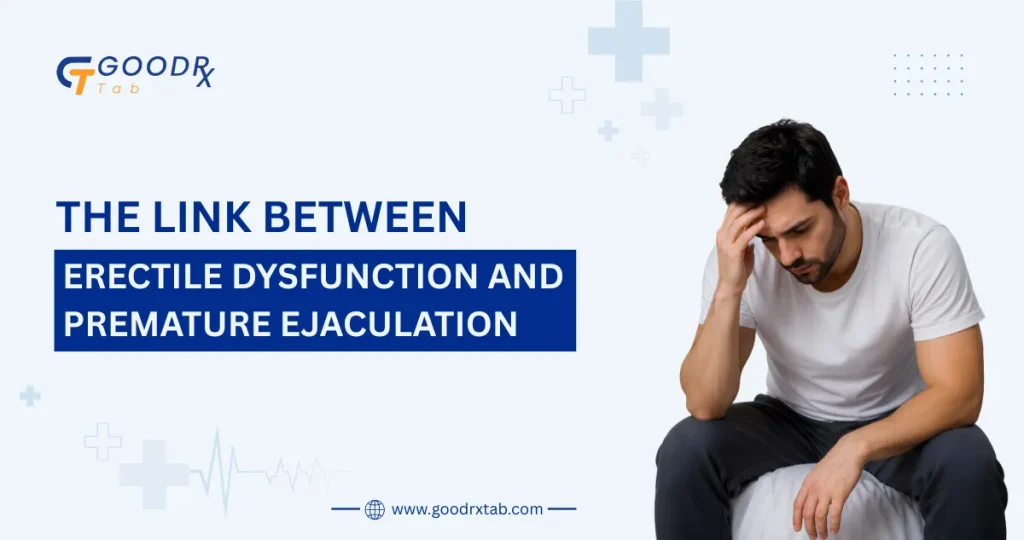
Sexual health concerns can affect men of all ages, and two of the most common issues are Erectile Dysfunction (ED) and Premature Ejaculation (PE). While many people think of them as completely separate conditions, research shows that they are often connected. In fact, men who experience one condition are more likely to experience the other. Studies have found a strong, two-way relationship between ED and PE, making it important to understand how these conditions influence each other.
If you have ever wondered why erection problems and early ejaculation sometimes occur together, this guide explains the connection, common causes, treatment options, and when it may be time to seek professional help.
What is Erectile Dysfunction?
Erectile Dysfunction is the inability to achieve or maintain an erection firm enough for satisfying sexual activity. While occasional difficulty getting an erection is normal, ongoing problems may indicate ED.
Common symptoms include:
- Difficulty getting an erection
- Trouble maintaining an erection during sex
- Reduced sexual confidence
- Anxiety related to sexual performance
- Decreased sexual satisfaction
ED affects millions of men in the United States and can occur due to physical, psychological, or lifestyle-related factors.
Common Causes of ED
Some of the most common causes include:
- High blood pressure
- Diabetes
- Heart disease
- Obesity
- Smoking
- Excessive alcohol consumption
- Stress and anxiety
- Depression
- Hormonal imbalances
- Certain medications
-
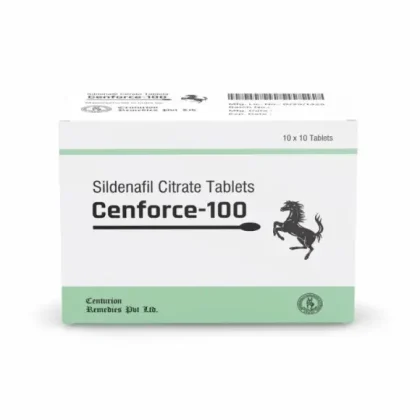
Cenforce 100
Erectile Dysfunction17 reviewsPrice range: $25.00 through $300.00 Select options This product has multiple variants. The options may be chosen on the product page -
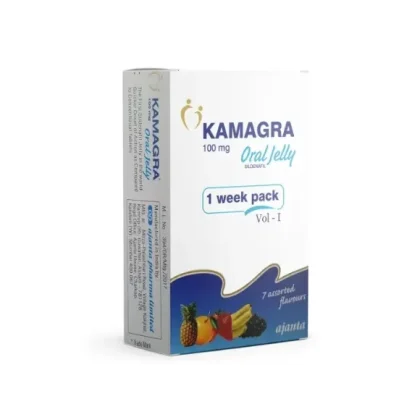
Kamagra Oral Jelly
Erectile Dysfunction15 reviewsPrice range: $55.00 through $258.00 Select options This product has multiple variants. The options may be chosen on the product page -
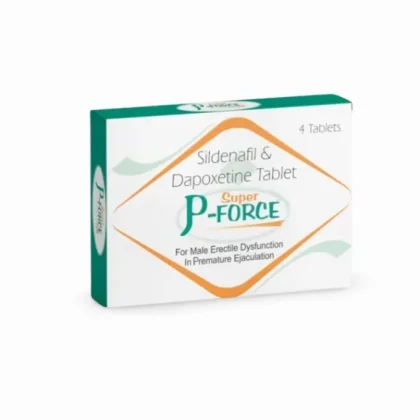
Super P Force
Dapoxetine6 reviewsPrice range: $48.00 through $174.00 Select options This product has multiple variants. The options may be chosen on the product page
What is Premature Ejaculation?
Premature Ejaculation occurs when a man ejaculates sooner than he or his partner would like during sexual activity. It is considered one of the most common male sexual disorders.
Symptoms may include:
- Ejaculation occurring shortly after penetration
- Inability to delay ejaculation consistently
- Feelings of frustration or embarrassment
- Reduced sexual satisfaction for one or both partners
PE can happen occasionally, but when it becomes frequent and causes distress, it may require medical attention.
Common Causes of PE
Potential causes include:
- Performance anxiety
- Relationship stress
- Depression
- Hormonal changes
- Increased penile sensitivity
- Nervous system factors
- Chronic stress
- Previous sexual experiences
How Are Erectile Dysfunction and Premature Ejaculation Connected?
For years, ED and PE were treated as separate conditions. However, newer research suggests that the relationship is much more complex.
Studies show that men with premature ejaculation have a significantly higher risk of developing erectile dysfunction. Likewise, men with erectile dysfunction often develop premature ejaculation as a secondary issue. Some research even suggests that PE may increase the risk of ED by up to four times.
This connection is often described as a cycle, where one condition contributes to the development or worsening of the other.
When Erectile Dysfunction Leads to Premature Ejaculation
Many men with ED become concerned about losing their erection during sex. This fear can create pressure to reach orgasm quickly before the erection disappears.
As a result:
- Anxiety increases
- Sexual tension rises
- Ejaculation occurs sooner than expected
Over time, the body may develop a habit of rushing toward ejaculation, leading to persistent premature ejaculation.
For example, a man who struggles to maintain erections may subconsciously speed up intercourse to avoid losing firmness. Eventually, rapid ejaculation becomes a recurring problem.
Researchers have identified performance anxiety as one of the key psychological links between ED and PE.
When Premature Ejaculation Leads to Erectile Dysfunction
The relationship can also work in reverse.
Men who regularly experience premature ejaculation often become worried about disappointing their partner or feeling inadequate during sexual encounters.
This can create:
- Stress before sex
- Fear of failure
- Reduced confidence
- Increased anxiety
Over time, these emotional pressures can interfere with the brain’s ability to maintain sexual arousal, making erections more difficult to achieve or sustain.
Research supports this bidirectional relationship, showing that PE and ED frequently coexist and can reinforce one another.
The Role of Performance Anxiety
One of the strongest links between ED and PE is performance anxiety.
Sexual performance involves both the body and the mind. When anxiety enters the picture, the nervous system releases stress hormones that can interfere with normal sexual function.
Performance anxiety may cause:
- Difficulty achieving an erection
- Difficulty maintaining an erection
- Increased muscle tension
- Faster ejaculation
- Reduced sexual enjoyment
Many men enter a cycle where one negative sexual experience creates worry, leading to another negative experience. Over time, this pattern becomes difficult to break without addressing the underlying anxiety.
Clinical studies consistently highlight anxiety and psychological stress as important factors in both ED and PE.
Shared Risk Factors
Another reason ED and PE often occur together is that they share many of the same risk factors.
Psychological Factors
- Anxiety
- Depression
- Chronic stress
- Low self-esteem
- Relationship conflicts
Physical Factors
- Diabetes
- Obesity
- Heart disease
- Hormonal imbalances
- Neurological disorders
Lifestyle Factors
- Smoking
- Poor diet
- Lack of exercise
- Excessive alcohol use
- Sleep deprivation
Because both conditions can arise from the same underlying causes, treating those causes often improves both problems simultaneously.
Impact on Relationships
The combination of ED and PE can significantly affect relationships.
Some common effects include:
- Reduced intimacy
- Frustration for both partners
- Communication difficulties
- Lower self-confidence
- Emotional distance
Many couples mistakenly assume these problems reflect a lack of attraction or interest. In reality, ED and PE are medical conditions that often require treatment and support.
Open communication between partners can reduce stress and improve treatment outcomes.
Treatment Options for ED and PE
The good news is that both conditions are highly treatable.
The most effective treatment depends on the underlying cause.
1. Lifestyle Improvements
Healthy lifestyle changes can improve blood flow, hormone balance, and overall sexual function.
Helpful habits include:
- Regular exercise
- Weight management
- Quitting smoking
- Limiting alcohol
- Getting enough sleep
- Managing stress
Even modest lifestyle improvements can have a positive impact on sexual health.
2. Psychological Counseling
When anxiety, stress, or relationship issues contribute to symptoms, counseling may help.
Therapy can address:
- Performance anxiety
- Relationship concerns
- Sexual confidence
- Depression
- Stress management
Many men notice significant improvements after addressing the psychological aspects of sexual dysfunction.
3. Behavioral Techniques for PE
Several techniques can help delay ejaculation, including:
- Start-stop method
- Squeeze technique
- Pelvic floor exercises
- Mindfulness training
These methods help improve control over ejaculation over time.
4. Medical Treatments
Healthcare providers may recommend medications depending on the diagnosis.
For ED, treatments may include:
- PDE5 inhibitors such as sildenafil or tadalafil
- Hormone therapy when appropriate
- Other physician-guided treatments
For PE, treatment options may include:
- Behavioral therapy
- Topical desensitizing products
- Certain prescription medications
Some studies suggest that treating ED effectively can also reduce symptoms of PE in men experiencing both conditions.
When to See a Doctor
Occasional sexual difficulties are common and usually not a cause for concern.
However, you should consider speaking with a healthcare provider if:
- Symptoms occur regularly
- Sexual performance causes significant stress
- Relationship issues develop
- Symptoms persist for several months
- You have underlying health conditions such as diabetes or heart disease
A proper evaluation can identify the root cause and help determine the most effective treatment plan.
Final Thoughts
Erectile Dysfunction and Premature Ejaculation are often viewed as separate sexual health conditions, but research increasingly shows that they are closely connected. One condition can trigger or worsen the other, creating a frustrating cycle of anxiety, reduced confidence, and sexual dissatisfaction.
Fortunately, both ED and PE are treatable. Whether the cause is physical, psychological, or a combination of factors, addressing the underlying issue can significantly improve sexual performance, confidence, and relationship satisfaction.
Understanding the connection between these two conditions is the first step toward finding the right solution and achieving better sexual health.
FAQs
Can erectile dysfunction cause premature ejaculation?
Yes. Men with ED may rush sexual activity because they fear losing their erection, which can lead to premature ejaculation over time.
Can premature ejaculation lead to erectile dysfunction?
Yes. Repeated experiences with PE can create performance anxiety and stress, increasing the risk of erectile dysfunction.
Is it common to have both ED and PE at the same time?
Yes. Research shows that ED and PE frequently coexist, and many men experience symptoms of both conditions.
What is the biggest psychological factor linking ED and PE?
Performance anxiety is considered one of the strongest psychological factors connecting the two conditions.
Can lifestyle changes improve both ED and PE?
Yes. Regular exercise, healthy eating, weight management, stress reduction, and quitting smoking may help improve both conditions.
Does age increase the risk of ED and PE?
The risk of ED generally increases with age, while PE can affect men of any age. Both conditions can occur together regardless of age.
Should I see a doctor if I experience ED or PE?
If symptoms are persistent, causing distress, or affecting your relationship, consulting a healthcare professional is recommended.
Can treating erectile dysfunction also improve premature ejaculation?
In some men, successfully treating ED may reduce anxiety and improve ejaculatory control, helping relieve symptoms of PE.
Citations
GoodRxTab only refers to credible, authoritative sources for our content. If you’re curious about how we ensure the integrity of our content, we encourage you to read our Content Information Policy.