
If you’re dealing with erectile dysfunction, you’re not alone, and you’re not broken. It’s one of the most common health issues men face, especially after 40, and it’s also one of the most treatable. The tricky part is sorting through the noise online — every other ad promises a “miracle pill,” but only a handful of treatments actually have real science behind them.
This guide breaks down what actually works, how these medications do their job, what to expect, and what you need to watch out for. No fluff, no exaggerated promises — just the facts, explained the way a friend with medical knowledge would explain them to you.
What Erectile Dysfunction Really Is
Erectile dysfunction (ED) is the ongoing trouble with getting or keeping an erection firm enough for sex. A one-off bad night doesn’t count — that happens to almost every man at some point and is usually just stress, alcohol, or being tired. ED becomes a medical issue when it happens regularly.
The causes vary a lot from person to person. Sometimes it’s physical — poor blood flow, diabetes, high blood pressure, low testosterone, or side effects from other medications. Sometimes it’s psychological — anxiety, depression, or relationship stress. Often, it’s a mix of both. That’s actually good news, because it means there are several angles you can attack the problem from, and medication is just one of them.
-
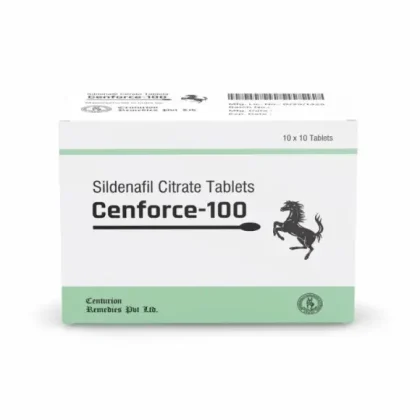
Cenforce 100
Erectile Dysfunction17 reviewsPrice range: $25.00 through $300.00 Select options This product has multiple variants. The options may be chosen on the product page -
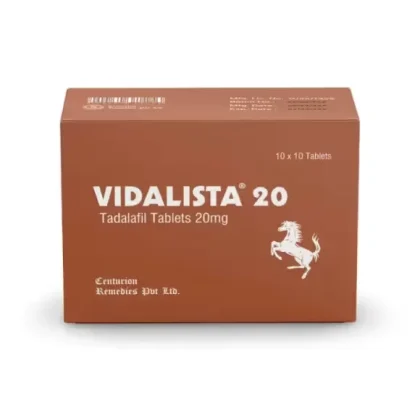
Vidalista 20
Erectile Dysfunction18 reviewsPrice range: $24.00 through $270.00 Select options This product has multiple variants. The options may be chosen on the product page -
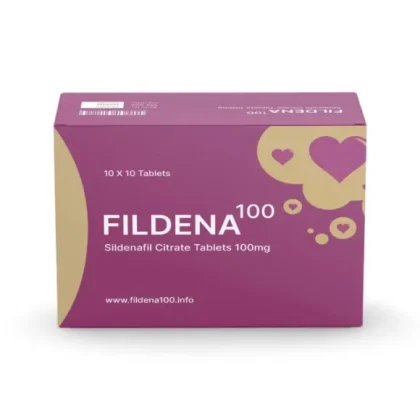
Fildena 100
Erectile Dysfunction4 reviewsPrice range: $27.00 through $360.00 Select options This product has multiple variants. The options may be chosen on the product page
How ED Pills Actually Work
The pills doctors reach for first belong to a drug class called PDE5 inhibitors. The name sounds complicated, but the idea behind it is simple. When you’re sexually aroused, your body releases nitric oxide, which relaxes the blood vessels in the penis and lets blood flow in. An enzyme called PDE5 normally shuts that process down. These medications block PDE5 from doing its job, so blood flow can build up and stick around long enough for an erection.
Here’s the part people often get wrong: these pills don’t create arousal out of nowhere. You still need physical or mental stimulation for them to do anything. Think of them as removing a roadblock, not flipping a switch.
The Main Options That Are Backed by Real Evidence
There are four oral medications approved in the United States for ED, and they’ve all been tested extensively in clinical trials. None of them is universally “the best” — the right one depends on your body, your schedule, and your health history.
Sildenafil (Viagra and its generic version) This was the first ED pill ever approved, back in 1998, and it’s still one of the most prescribed. It typically kicks in within 30 to 60 minutes and lasts around four hours. One thing to keep in mind: a heavy, fatty meal can slow it down, so it works best on a lighter stomach.
Tadalafil (Cialis and its generic version) Tadalafil is famous for lasting a long time — up to 36 hours — which is why some people call it the “weekend pill.” Food doesn’t interfere with it much, so there’s less planning involved. It also comes in a low daily dose, which some men prefer because it takes the pressure off timing things around sex.
Vardenafil Very similar to sildenafil in how it behaves, though it may hold up slightly better for some men with certain health conditions. It starts working in about an hour and lasts four to five hours.
Avanafil (Stendra) The newest of the group, and often the fastest. Some men feel results in as little as 15 minutes. It also tends to cause fewer side effects for some users, since it’s more selective in how it works in the body.
None of these medications has been proven to be flat-out better than the others in head-to-head studies. Clinical research generally shows they help somewhere between two-thirds and almost 90% of men get improved erections, compared to roughly 30% on a placebo. The real differences come down to how fast they act, how long they last, and how your body responds — which is exactly why a conversation with a doctor matters more than any online review.
What About Natural Supplements?
You’ll see plenty of “natural Viagra” products advertised — L-arginine, ginseng, horny goat weed, and various herbal blends. Some of these have a small amount of early research behind them suggesting they might support blood flow, but none of it comes close to the level of testing that prescription PDE5 inhibitors have gone through. They’re not FDA-approved for treating ED, dosing isn’t standardized, and quality varies wildly from bottle to bottle. If you’re curious about them, it’s worth mentioning to your doctor rather than experimenting on your own, especially since some can interact with other medications.
Lifestyle Changes That Make a Real Difference
Pills work better — and sometimes aren’t even necessary — when you pair them with changes to your daily habits. This part doesn’t get talked about enough:
- Move your body regularly. Cardiovascular exercise improves blood flow everywhere, including where it counts.
- Watch your heart health. ED is often an early warning sign of cardiovascular issues, since the blood vessels in the penis are small and show problems before larger arteries do.
- Cut back on alcohol and quit smoking. Both restrict blood flow and can blunt the effect of ED medication.
- Get on top of stress and sleep. Chronic stress and poor sleep mess with testosterone and can make psychological ED worse.
- Talk to someone if anxiety is part of the picture. Performance anxiety can turn into a cycle that medication alone won’t fully break. Therapy or counseling, sometimes alongside medication, tends to work best here.
Safety First: Who Should Be Careful
These medications are considered safe for most men, but they’re not for everyone. If you take nitrate medications for chest pain, mixing them with ED pills can cause a dangerous drop in blood pressure — this combination should always be avoided. Men on certain blood pressure medications, particularly alpha-blockers, also need to be careful about timing and dosage.
Common side effects include headache, flushing, a stuffy nose, and mild stomach upset. These usually fade on their own. Less common but more serious effects include vision changes, hearing changes, and priapism — an erection that won’t go away after four hours, which needs emergency medical attention. If anything like that happens, don’t wait it out.
The Bottom Line
There’s no single “best” ED pill for every man — sildenafil, tadalafil, vardenafil, and avanafil have all proven themselves in clinical use, and picking between them comes down to your lifestyle, your health history, and how your body responds. What matters most is getting an actual diagnosis and prescription from a licensed healthcare provider rather than guessing based on online marketing. ED is common, it’s manageable, and for most men, the right combination of medication, lifestyle changes, and an honest conversation with a doctor gets results.
If you’ve been putting off that conversation, this is your sign to have it. It’s a normal health issue, and treating it is nothing to feel awkward about.
This article is for general information only and isn’t a substitute for professional medical advice. Talk to a licensed healthcare provider before starting any medication for erectile dysfunction.
FAQs
How fast do ED pills start working?
Avanafil can work in as little as 15 minutes. Sildenafil and vardenafil take 30–60 minutes, tadalafil about an hour. A heavy meal can slow down sildenafil and vardenafil.
Can I buy ED pills without a prescription?
No, all four are prescription-only in the US. A doctor needs to check for drug interactions and underlying health issues first.
Do ED pills work the same for everyone?
Not quite — most men respond well, but results vary based on the cause of ED and overall health. Men with diabetes or after prostate surgery may see less benefit.
Is it safe to take ED medication every day?
Only tadalafil is approved for daily use, at a low 2.5–5 mg dose. Others should be taken as needed, not daily.
What happens if ED pills don’t work for me?
Often it’s an issue of timing, food, or stimulation, not the drug itself. If it still doesn’t work after a few tries, ask your doctor about adjusting the dose or switching medications.
Are there risks to taking ED pills long-term?
Long-term use is generally safe for healthy men. It’s important to also manage any underlying condition like high blood pressure or diabetes.
Can young men take ED pills, or is this just for older guys?
ED can affect men at any age, often from stress or anxiety. These pills aren’t age-restricted, but it’s smart to get checked for the root cause.
Do ED pills also help with premature ejaculation?
Not directly — they help with erections, not timing. Some men notice indirect benefit from reduced performance anxiety, but PE usually needs separate treatment.
Citations
GoodRxTab only refers to credible, authoritative sources for our content. If you’re curious about how we ensure the integrity of our content, we encourage you to read our Content Information Policy.