
Erectile Dysfunction
Erectile dysfunction (ED) is a common condition in which a man has difficulty getting or keeping an erection firm enough for sexual activity. It can happen occasionally because of stress, tiredness, or drinking too much alcohol. However, when erection problems occur regularly, they may be linked to an underlying health condition.
ED can affect men at different ages, although it becomes more common with age. The good news is that several treatments are available. Understanding the cause and choosing the right treatment can help improve erectile function and sexual confidence.
What Is Erectile Dysfunction?
Erectile dysfunction, sometimes called impotence, occurs when a man cannot achieve or maintain an erection suitable for sexual intercourse.
An erection happens when sexual stimulation increases blood flow to the penis. Blood fills the erectile tissues, making the penis firm. If blood circulation, nerve signals, or other processes involved in an erection are affected, erectile dysfunction may develop.
Having trouble with an erection once in a while does not necessarily mean you have ED. However, frequent difficulties should be discussed with a healthcare professional.
What Causes Erectile Dysfunction?
Erectile dysfunction can have physical, psychological, or lifestyle-related causes. Sometimes, several factors contribute to the problem.
Common causes include:
- Diabetes: High blood sugar can damage blood vessels and nerves involved in erections.
- High blood pressure: Poor blood circulation may make erections difficult.
- Heart disease: Narrowed or damaged blood vessels can reduce blood flow.
- Stress and anxiety: Emotional pressure may interfere with sexual performance.
- Hormonal problems: Low testosterone and certain other hormone disorders may contribute to ED.
- Smoking and alcohol: Smoking and excessive alcohol consumption can affect erectile function.
- Certain medicines: Some antidepressants and blood pressure medicines may cause erection difficulties.
Identifying the cause is important because treatment may differ from person to person.
Common Symptoms of Erectile Dysfunction
The main symptoms of erectile dysfunction include:
- Difficulty getting an erection during sexual activity.
- Trouble maintaining an erection long enough for intercourse.
- Getting erections occasionally but not consistently.
- Being unable to achieve an erection despite sexual stimulation.
These symptoms may develop gradually or appear suddenly. Persistent changes in erectile function should not be ignored.
How Does Erectile Dysfunction Treatment Work?
Several medicines used for erectile dysfunction belong to a group called phosphodiesterase type 5 (PDE5) inhibitors.
These medicines work by blocking the PDE5 enzyme, helping blood vessels in the penis relax and allowing increased blood flow during sexual stimulation.
Common ED medicines include:
- Sildenafil: Commonly used for ED and usually taken before planned sexual activity.
- Tadalafil: A longer-acting option that may remain effective for up to 36 hours.
- Vardenafil: Helps improve erectile function by supporting blood flow to the penis.
- Avanafil: A PDE5 inhibitor that may begin working relatively quickly for some men.
These medicines do not automatically cause an erection or increase sexual desire. Sexual stimulation is still necessary.
The right medicine depends on your medical history, other medicines you take, and your doctor’s recommendations.
Other Treatment Options for Erectile Dysfunction
Oral medicines are not the only way to manage ED. Depending on its cause, a healthcare professional may recommend other treatments.
These include lifestyle changes, psychological counselling, vacuum erection devices, or prescribed injectable medicines.
For men with confirmed testosterone deficiency, hormone treatment may be appropriate in certain situations. Surgery is generally considered when other treatments have not worked.
How to Improve Erectile Function Naturally
Healthy daily habits can support blood circulation and overall sexual health.
Regular physical activity, balanced meals, proper sleep, and maintaining a healthy body weight may improve erectile function. Quitting smoking and limiting alcohol are also helpful.
Managing stress is equally important. If anxiety or relationship concerns contribute to ED, counselling or open communication with a partner may help.
Lifestyle changes may improve symptoms, but they do not replace medical treatment when an underlying condition needs attention.
Are Erectile Dysfunction Medicines Safe?
ED medicines can be effective when used correctly, but they are not suitable for everyone.
Common side effects of PDE5 inhibitors include headaches, flushing, indigestion, and nasal congestion.
Important: Never combine PDE5 inhibitors with nitrate medicines used for chest pain, as this can cause a dangerous drop in blood pressure. Seek emergency care for an erection lasting more than four hours, or sudden vision or hearing loss.
Always consult a healthcare professional before taking ED medication, especially if you have heart problems or take other prescription medicines.
When Should You See a Doctor?
If erection difficulties happen regularly or begin affecting your relationships or quality of life, speak with a healthcare professional.
Erectile dysfunction can sometimes be an early sign of diabetes, cardiovascular disease, or another medical condition.
With an appropriate diagnosis and treatment plan, many men can improve their erectile function and manage ED successfully.
Showing 1–12 of 113 results
-
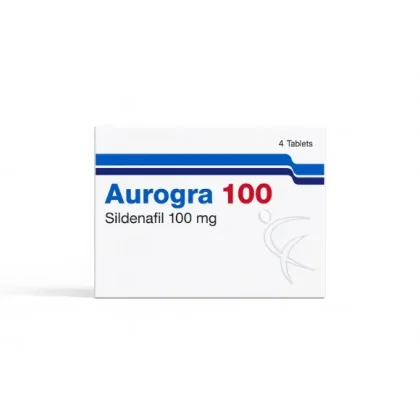
Aurogra 100 mg Tablet (Sildenafil)
Erectile Dysfunction4 reviewsPrice range: $30.00 through $259.00 Select options This product has multiple variants. The options may be chosen on the product page -
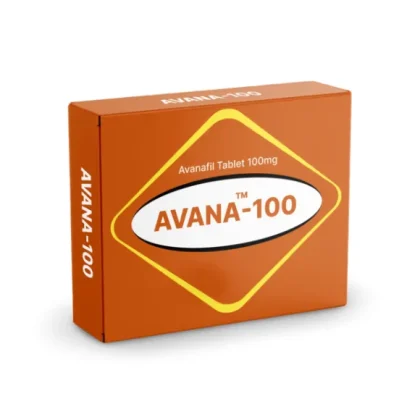
Avana 100 mg Tablet (Avanafil)
Erectile Dysfunction4 reviewsPrice range: $64.00 through $220.00 Select options This product has multiple variants. The options may be chosen on the product page -
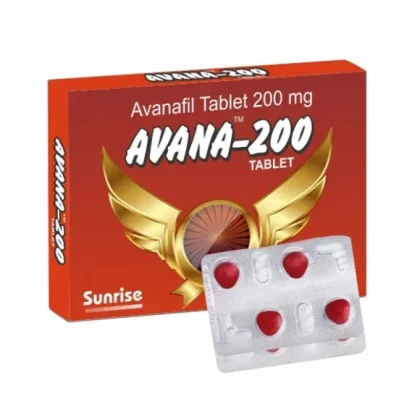
Avana 200 mg Tablet (Avanafil)
Erectile Dysfunction3 reviewsPrice range: $92.00 through $336.00 Select options This product has multiple variants. The options may be chosen on the product page -
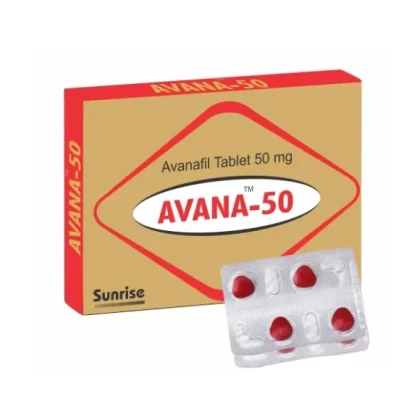
Avana 50 mg Tablet (Avanafil)
Erectile Dysfunction4 reviewsPrice range: $40.00 through $124.00 Select options This product has multiple variants. The options may be chosen on the product page -
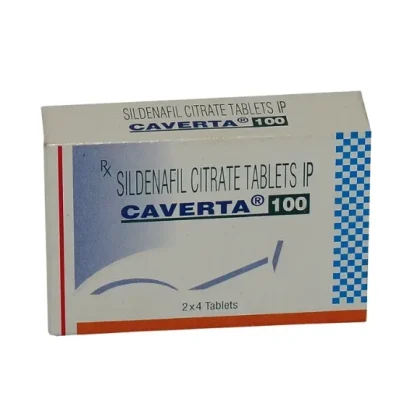
Caverta 100 mg Tablet (Sildenafil)
Erectile Dysfunction4 reviewsPrice range: $75.00 through $224.00 Select options This product has multiple variants. The options may be chosen on the product page -
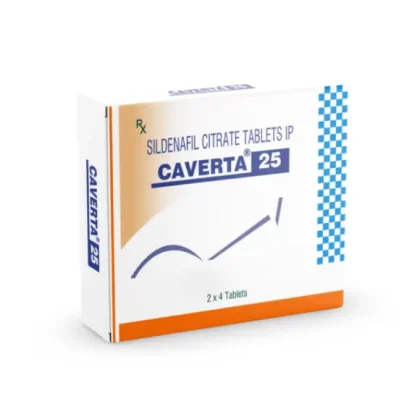
Caverta 25 mg Tablet (Sildenafil)
Erectile Dysfunction4 reviewsPrice range: $35.00 through $128.00 Select options This product has multiple variants. The options may be chosen on the product page -
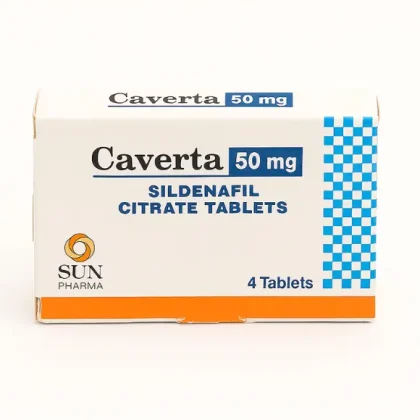
Caverta 50 mg Tablet (Sildenafil)
Erectile Dysfunction4 reviewsPrice range: $45.00 through $156.00 Select options This product has multiple variants. The options may be chosen on the product page -
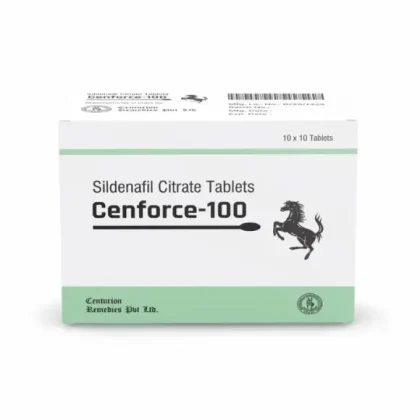
Cenforce 100 mg Tablet (Sildenafil)
Erectile Dysfunction17 reviewsPrice range: $25.00 through $300.00 Select options This product has multiple variants. The options may be chosen on the product page -
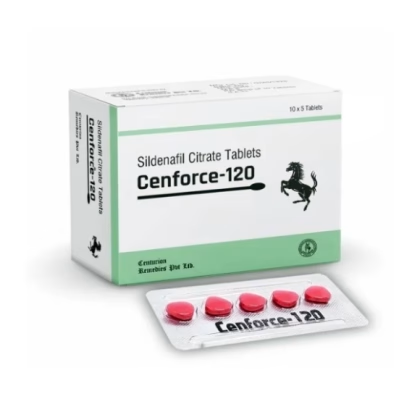
Cenforce 120 mg Tablet (Sildenafil)
Erectile Dysfunction4 reviewsPrice range: $28.00 through $335.00 Select options This product has multiple variants. The options may be chosen on the product page -
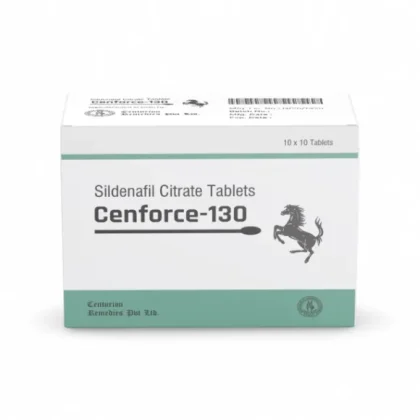
Cenforce 130 mg Tablet (Sildenafil)
Erectile Dysfunction3 reviewsPrice range: $26.00 through $290.00 Select options This product has multiple variants. The options may be chosen on the product page -
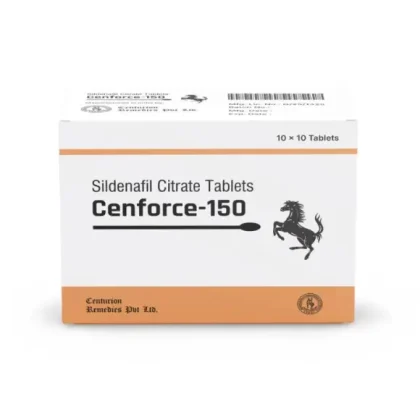
Cenforce 150 mg Tablet (Sildenafil)
Erectile Dysfunction17 reviewsPrice range: $29.00 through $378.00 Select options This product has multiple variants. The options may be chosen on the product page -
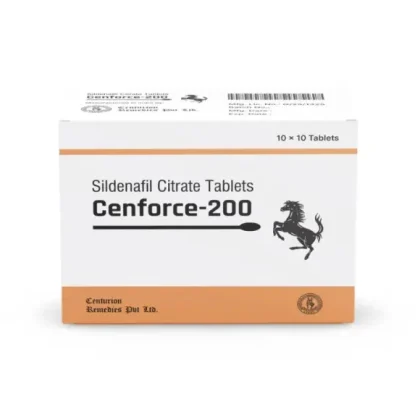
Cenforce 200 mg Tablet (Sildenafil)
Erectile Dysfunction16 reviewsPrice range: $32.00 through $365.00 Select options This product has multiple variants. The options may be chosen on the product page