
Hormones influence nearly every aspect of a woman’s health. From regulating the menstrual cycle and supporting fertility to maintaining bone strength and emotional well-being, hormones work continuously behind the scenes. Among them, estrogen is one of the most important.
Estrogen levels naturally fluctuate throughout life. During puberty, pregnancy, perimenopause, and menopause, these hormonal changes can affect how a woman feels physically and emotionally. When estrogen levels decline, some women may experience symptoms such as hot flashes, night sweats, vaginal dryness, mood swings, sleep disturbances, and reduced sexual desire.
While food cannot replace medical treatment when hormone levels become significantly imbalanced, certain foods contain natural plant compounds known as phytoestrogens. These compounds have a chemical structure similar to estrogen and may help support hormonal wellness when included as part of a balanced diet.
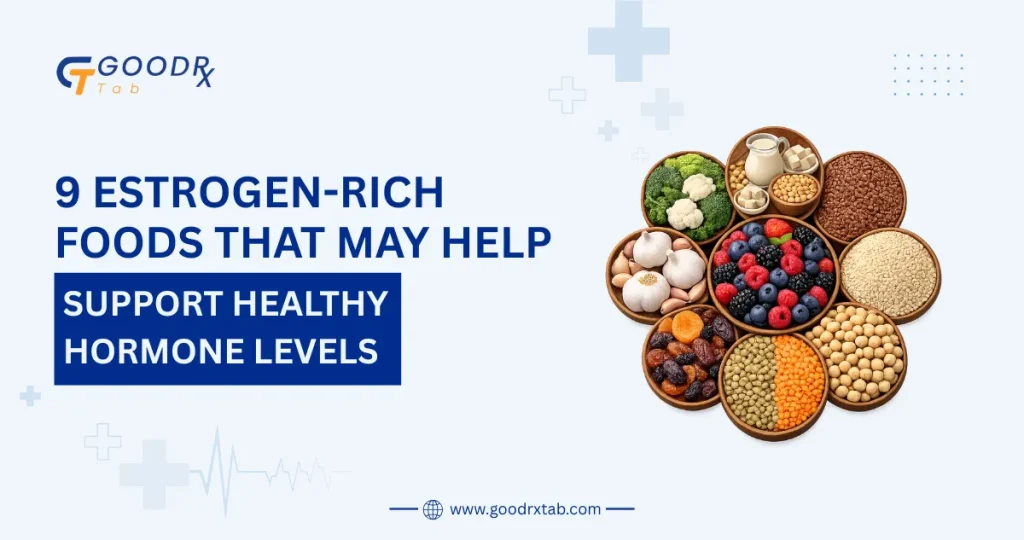
Let’s explore nine estrogen-rich foods that may help support healthy hormone levels naturally.
Understanding Estrogen and Its Role in the Body
Estrogen is a hormone produced primarily by the ovaries. It plays an essential role in:
- Regulating menstrual cycles
- Supporting reproductive health
- Maintaining bone density
- Promoting healthy skin
- Supporting cardiovascular health
- Influencing mood and cognitive function
- Supporting sexual wellness
As women age, especially after the age of 40, estrogen production gradually decreases. This decline is a natural part of aging but may lead to noticeable symptoms that affect daily life.
What Are Phytoestrogens?
Phytoestrogens are naturally occurring compounds found in certain plant foods. Although they are much weaker than the estrogen produced by the human body, they can interact with estrogen receptors and may help support hormonal balance.
The two most common types of phytoestrogens found in foods are:
- Isoflavones
- Lignans
Many estrogen-rich foods also provide additional nutrients such as fiber, antioxidants, vitamins, and minerals that contribute to overall health.
1. Soybeans and Soy Products
Soy is widely recognized as one of the richest dietary sources of phytoestrogens.
Soy-based foods include:
- Tofu
- Edamame
- Soy milk
- Tempeh
- Miso
The isoflavones found in soy may help support hormonal health and are commonly included in diets designed to support women during menopause.
In addition to phytoestrogens, soy foods provide high-quality plant protein, making them a nutritious addition to many meals.
2. Flaxseeds
Flaxseeds are among the richest sources of lignans, a type of phytoestrogen.
They also provide:
- Omega-3 fatty acids
- Dietary fiber
- Antioxidants
Ground flaxseeds can easily be added to smoothies, oatmeal, yogurt, cereal, and baked goods.
Many women include flaxseeds in their diets because they support digestive health while contributing beneficial plant compounds.
3. Sesame Seeds
Sesame seeds may be small, but they contain a significant amount of lignans.
Additional nutritional benefits include:
- Calcium
- Magnesium
- Healthy fats
- Fiber
Sesame seeds can be sprinkled over salads, vegetables, and grain dishes. Tahini, a paste made from sesame seeds, is another excellent way to include them in your diet.
4. Chickpeas
Chickpeas are a nutritious legume that contains phytoestrogens along with important vitamins and minerals.
Benefits of chickpeas include:
- Plant-based protein
- Fiber
- Iron
- Folate
Chickpeas are highly versatile and can be used in soups, salads, hummus, and side dishes.
5. Lentils
Lentils are another excellent source of plant-based nutrition.
They provide:
- Protein
- Fiber
- Iron
- Potassium
- Folate
Regularly including lentils in meals may help support overall health while contributing beneficial phytoestrogen compounds.
6. Dried Apricots and Other Dried Fruits
Certain dried fruits naturally contain phytoestrogens.
Examples include:
- Dried apricots
- Dates
- Raisins
- Prunes
These fruits also provide fiber, antioxidants, and essential nutrients.
Although healthy, dried fruits should be consumed in moderation because they contain concentrated natural sugars.
7. Berries
Berries are known for their high antioxidant content and nutritional value.
Popular choices include:
- Strawberries
- Blueberries
- Raspberries
- Blackberries
While berries are not among the highest phytoestrogen foods, they contribute important nutrients that support healthy aging and overall wellness.
8. Garlic
Garlic has long been valued for its health-promoting properties.
It may help support:
- Heart health
- Immune function
- Bone health
- Healthy aging
Adding fresh garlic to meals is a simple way to increase flavor while gaining nutritional benefits.
9. Cruciferous Vegetables
Cruciferous vegetables support healthy hormone metabolism and overall wellness.
Examples include:
- Broccoli
- Kale
- Cabbage
- Brussels sprouts
- Cauliflower
These vegetables are rich in fiber, vitamins, minerals, and antioxidants that contribute to long-term health.
Signs That May Be Associated with Low Estrogen Levels
Women experiencing lower estrogen levels may notice:
- Hot flashes
- Night sweats
- Vaginal dryness
- Mood swings
- Difficulty sleeping
- Irregular periods
- Reduced libido
- Fatigue
- Difficulty concentrating
If these symptoms become severe or affect daily life, it’s important to consult a healthcare provider for proper evaluation.
Lifestyle Habits That Support Hormonal Health
Diet works best when combined with healthy lifestyle choices.
Stay Physically Active
Regular exercise helps support:
- Hormonal balance
- Bone strength
- Heart health
- Mood
Prioritize Sleep
Getting 7–9 hours of quality sleep each night helps regulate hormone production and supports overall well-being.
Manage Stress
Chronic stress can affect hormone levels. Consider:
- Meditation
- Walking
- Yoga
- Deep breathing exercises
- Spending time outdoors
Maintain a Healthy Weight
Healthy body weight supports proper hormone regulation and overall health.
Women’s Sexual Health and Hormonal Changes
Hormonal fluctuations can sometimes affect sexual wellness, particularly during menopause. Some women experience reduced sexual desire, vaginal dryness, or discomfort during intimacy.
Depending on individual circumstances, healthcare providers may recommend different treatment options. Some women discuss medications such as Femalegra, Lovegra, Sildenafil 100 mg, or other women’s sexual health products available through licensed pharmacies. However, these products should only be used under professional medical guidance.
Final Thoughts
Estrogen plays a critical role in women’s health throughout every stage of life. Although no food can dramatically increase estrogen levels on its own, including phytoestrogen-rich foods in a balanced diet may help support hormonal wellness naturally.
Soy products, flaxseeds, sesame seeds, chickpeas, lentils, dried fruits, berries, garlic, and cruciferous vegetables all provide valuable nutrients that contribute to overall health.
Combined with regular exercise, quality sleep, stress management, and proper medical care when needed, these foods can help support long-term hormonal balance and overall well-being.
FAQs
What foods are naturally high in estrogen?
Soy products, flaxseeds, sesame seeds, chickpeas, lentils, dried fruits, and certain vegetables contain phytoestrogens that may help support healthy hormone levels.
Can foods increase estrogen levels naturally?
Foods rich in phytoestrogens may support hormonal balance, but they do not work like hormone replacement therapy and generally have much milder effects.
What are the symptoms of low estrogen?
Common symptoms include hot flashes, night sweats, mood changes, vaginal dryness, irregular periods, fatigue, and reduced sexual desire.
Are soy products safe for women?
For most healthy adults, moderate consumption of soy foods is considered safe and can be part of a balanced diet.
Which fruit contains the most phytoestrogens?
Dried apricots, dates, raisins, and prunes are among the fruits that contain notable amounts of phytoestrogens.
Can estrogen-rich foods help during menopause?
Some women find that including phytoestrogen-rich foods as part of a healthy diet helps support overall wellness during menopause.
How long does it take for dietary changes to affect hormone health?
Results vary between individuals. Consistent healthy eating habits combined with lifestyle improvements may support hormonal health over time.
Should I take supplements instead of eating estrogen-rich foods?
Whole foods provide additional nutrients such as fiber, vitamins, and antioxidants. It’s generally best to focus on a balanced diet unless a healthcare provider recommends supplements.
Can low estrogen affect sexual wellness?
Yes. Lower estrogen levels may contribute to vaginal dryness, reduced libido, and discomfort during intimacy in some women.
When should I see a doctor about hormone-related symptoms?
If symptoms are persistent, severe, or affecting your quality of life, consult a healthcare professional for proper evaluation and treatment options.
Citations
GoodRxTab only refers to credible, authoritative sources for our content. If you’re curious about how we ensure the integrity of our content, we encourage you to read our Content Information Policy.