

When most people hear the word “testosterone,” they think of men. But here’s something that surprises a lot of women: testosterone is actually one of the most abundant biologically active hormones in a woman’s body, even outranking estrogen in terms of raw quantity. It plays a role in your sex drive, your muscle tone, your bone strength, your mood, and even how sharp your thinking feels on a given day.
As women move through their 30s, 40s, and especially through perimenopause and menopause, testosterone levels gradually decline. For some women, this drop barely registers. For others, it shows up as low libido, constant tiredness, foggy thinking, or a frustrating loss of muscle no matter how hard they work out. That’s where testosterone replacement therapy, or TRT, comes into the conversation.
This guide breaks down what TRT actually is, who it might help, what the science says about its benefits and risks, and what you can realistically expect if you and your doctor decide to try it.
What Is Testosterone Replacement Therapy for Women?
Testosterone replacement therapy involves supplementing the body with additional testosterone, usually through a cream, gel, injection, or pellet, to bring levels back into a healthier range. The goal isn’t to give women “male” amounts of testosterone. It’s to restore the smaller, naturally occurring levels that tend to drop off with age.
Here’s an important detail that’s often left out of the conversation: there is currently no testosterone product that has gone through the full FDA approval process specifically for women. Doctors who prescribe testosterone for women are doing so “off-label,” which is a common and legal practice in medicine, but it does mean dosing isn’t standardized the way it is for FDA-approved medications. Most clinicians start with very low doses, often a fraction of what’s prescribed to men, and adjust based on blood work and how a patient feels.
Interestingly, the regulatory landscape around hormone therapy has been shifting. In late 2025, the FDA initiated the removal of black box warnings from menopausal hormone therapy products containing estrogen, a change that reflects updated research showing the original warnings, based largely on a 2002 study of older women using older hormone formulations, painted an overly broad picture of risk. Around the same time, the FDA also revised labeling on testosterone products generally, removing cardiovascular warning language after large trials failed to show the heart risks once feared. While these changes were largely centered on men’s testosterone products and women’s estrogen-based HRT, they’ve opened the door to more open conversations about testosterone for women too.
-
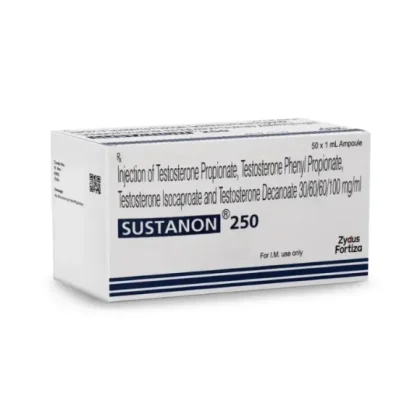
Sustanon 250
Body Building6 reviewsPrice range: $90.00 through $560.00 Select options This product has multiple variants. The options may be chosen on the product page -
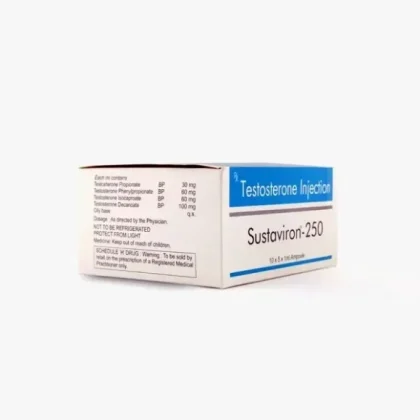
Sustaviron 250
Body Building7 reviewsPrice range: $115.00 through $370.00 Select options This product has multiple variants. The options may be chosen on the product page -
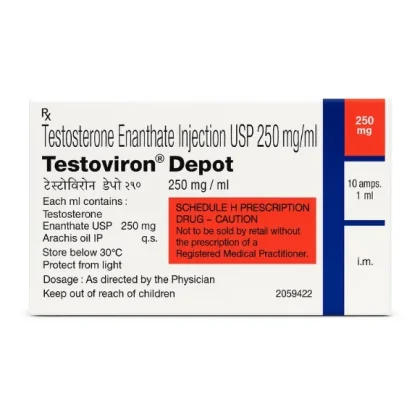
Testoviron Depot 250
Body Building7 reviewsPrice range: $230.00 through $820.00 Select options This product has multiple variants. The options may be chosen on the product page
Why Would a Woman Need Testosterone?
Testosterone is produced in a woman’s ovaries and adrenal glands. It contributes to:
- Sex drive and arousal
- Energy levels and motivation
- Muscle mass and strength
- Bone density
- Mood stability
- Mental clarity and focus
Testosterone levels in women actually start declining gradually starting around age 30, well before menopause even begins. By the time a woman reaches her late 40s or 50s, those levels may have dropped to a fraction of what they were in her 20s. Add the hormonal swings of perimenopause and menopause on top of that, and it’s easy to see why some women start feeling like a different version of themselves.
Benefits of Testosterone Therapy for Women
Improved Sex Drive and Sexual Satisfaction
This is, by far, the most well-researched benefit of testosterone therapy in women. Low libido, also called hypoactive sexual desire disorder, is one of the most common complaints women bring up during and after menopause. Multiple studies have linked testosterone supplementation to improvements in desire, arousal, and overall sexual satisfaction, particularly in postmenopausal women.
In clinical practice, testosterone-based therapies and related hormone treatments are sometimes prescribed under medical supervision when a hormonal deficiency has been identified. Products such as Cernos 40 mg Softgel, Sustaviron 250, and Sustanon 250 are examples of testosterone-containing formulations that may be used in specific cases where healthcare professionals determine that hormone replacement is appropriate.
That said, doctors are quick to point out that low libido is rarely caused by just one thing. Sleep issues, relationship stress, vaginal dryness, depression, and certain medications can all play a role. Testosterone therapy tends to work best when it’s addressing a genuine hormonal shortfall, not when it’s used as a one-size-fits-all fix.
Better Energy and Less Brain Fog
Many women on testosterone therapy describe feeling like a fog has lifted. Improved focus, sharper memory, and a general sense of mental clarity are commonly reported. Some women also notice they’re sleeping better and have more motivation to get through their day without hitting an afternoon wall.
Muscle Mass, Strength, and Body Composition
Testosterone supports lean muscle. Women on TRT often report it becomes easier to build and maintain muscle through exercise, and some notice a gradual shift in body composition, less fat, more lean tissue, over several months.
Bone Density Support
Bone loss accelerates after menopause, partly due to declining estrogen, but testosterone plays a supporting role too. Some research suggests testosterone therapy may help protect against bone density loss, which matters a lot for long-term fracture risk.
Mood and General Wellbeing
While testosterone isn’t an antidepressant and shouldn’t be used as one, many women report feeling more like themselves again, less irritable, more confident, and generally more even-keeled, once their levels are restored to a healthier range.
Risks and Side Effects to Know About
No hormone therapy is risk-free, and testosterone is no exception. Here’s what to keep in mind.
Androgenic Side Effects
The most common side effects of testosterone therapy in women are related to its androgenic (male hormone-like) effects. These can include:
- Acne or oily skin
- Increased facial or body hair growth
- Oily scalp or hair thinning
These effects are typically mild and dose-dependent, meaning they’re far more likely to show up at doses that exceed normal physiological female ranges. More serious effects like a deepened voice or significant hair loss are rare and usually associated with doses that are too high, often a sign that the treatment needs to be adjusted.
Cardiovascular and Cholesterol Considerations
Earlier concerns about testosterone and heart health were largely based on data from men, and recent large trials have actually been reassuring on that front for male patients. For women, research is still more limited. Some studies have noted that testosterone can affect cholesterol levels, including lowering HDL (the “good” cholesterol) in some cases. This is one reason regular monitoring and bloodwork matter throughout treatment.
Breast Cancer and Hormone-Sensitive Conditions
This is an area where the research is genuinely mixed and still evolving. Some observational data has looked at combinations of estrogen and testosterone and found inconsistent results regarding breast cancer risk, with some analyses showing no significant increase and others suggesting a possible link depending on the specific hormone formulation used. Because of this uncertainty, women with a personal history of breast cancer or other hormone-sensitive cancers are generally advised to have a detailed conversation with their oncologist and prescribing doctor before starting testosterone therapy.
Who Should Avoid Testosterone Therapy
Testosterone therapy isn’t appropriate for everyone. Women who are pregnant or breastfeeding, those with active liver disease, uncontrolled high cholesterol, severe acne, or certain hormone-sensitive conditions are generally advised to avoid it. As always, this is a decision that should be made with a healthcare provider who knows your full medical history.
What to Expect If You Try TRT
Getting Started
Before starting testosterone therapy, your doctor will likely run bloodwork to check your current hormone levels and rule out other causes for your symptoms. Fatigue and low libido, for example, can stem from thyroid issues, depression, anemia, or simply not getting enough sleep, so it’s worth ruling those out first.
Forms of Testosterone
Testosterone for women is typically delivered through:
- Topical creams or gels, applied to the skin daily, allow for easy dose adjustments
- Injections, given less frequently but require more precise dosing
- Pellets, inserted under the skin every few months, though some doctors caution that pellets can cause unpredictable hormone spikes and drops compared to daily topical options
Timeline for Results
Don’t expect overnight changes. Most women start noticing improvements in energy, mood, and libido within a few weeks, but some benefits, particularly around muscle composition and bone density, take several months to become noticeable. Patience and consistent follow-up appointments are key.
Monitoring and Follow-Up
Because testosterone therapy for women is off-label and dosing isn’t standardized, ongoing monitoring matters. Expect periodic bloodwork to check hormone levels, cholesterol, and other markers, along with check-ins about how you’re feeling and whether any side effects have shown up.
Combining with Other Hormone Therapy
Many women use testosterone alongside estrogen therapy, particularly during perimenopause and menopause. The combination is common because the two hormones can complement each other’s effects, though your doctor will tailor this based on your symptoms, lab results, and overall health picture.
The Bottom Line
TRT isn’t a miracle fix, but for women with genuinely low testosterone, it can meaningfully improve libido, energy, mood, and muscle tone. Success depends on proper testing, conservative dosing, and an experienced doctor guiding the process. If you’ve been feeling off, it’s worth raising the topic at your next appointment.
FAQs
Is testosterone therapy FDA-approved for women?
No. There is currently no testosterone product that has completed the full FDA approval process specifically for women. Doctors prescribe it off-label, often at much lower doses than products approved for men, based on individual symptoms and bloodwork.
At what age do women typically consider TRT?
Most women who explore TRT are in their late 30s through 60s, as testosterone naturally declines starting around age 30 and drops further during perimenopause and menopause. However, age alone isn’t the deciding factor; symptoms and blood test results matter more.
How long does it take to see results from testosterone therapy?
Many women notice changes in energy, mood, and libido within a few weeks. Effects on muscle tone and bone density usually take several months of consistent use to become noticeable.
Will testosterone therapy make me look or sound more “masculine”?
At appropriate, monitored doses, this is unlikely. Mild side effects like acne or extra hair growth can occur, but more noticeable changes such as voice deepening are rare and almost always linked to doses that are too high.
Can testosterone therapy be combined with estrogen or other HRT?
Yes, this is common. Many women use testosterone alongside estrogen therapy during perimenopause and menopause, since the two hormones often work well together. Your doctor will decide on the right combination based on your symptoms and lab results.
Is testosterone therapy safe for women with a history of breast cancer?
This is an area where research is still mixed, and results vary depending on the specific hormone formulation studied. Women with a personal or family history of breast cancer or other hormone-sensitive conditions should have a detailed conversation with their oncologist before starting any testosterone therapy.
What forms does testosterone therapy come in?
The most common options are topical creams or gels (applied daily), injections (less frequent, more precise dosing), and pellets inserted under the skin every few months. Creams and gels tend to allow for easier dose adjustments compared to pellets.
Do I need ongoing monitoring while on TRT?
Yes. Because dosing for women isn’t standardized, regular bloodwork is important to track hormone levels, cholesterol, and overall response, and to catch any side effects early so doses can be adjusted as needed.
Citations
GoodRxTab only refers to credible, authoritative sources for our content. If you’re curious about how we ensure the integrity of our content, we encourage you to read our Content Information Policy.