

Some men ejaculate quickly, while others need more time and stimulation. Taking longer occasionally is normal. However, when ejaculation regularly takes much longer than expected—or does not happen at all—it may be a condition called delayed ejaculation.
Delayed ejaculation can make intimacy tiring and frustrating. It may also affect confidence, relationships and fertility. The solution is not to force yourself to finish faster. It is better to understand what is delaying your response and make safe changes based on the cause.
What Is Delayed Ejaculation?
Delayed ejaculation is when a man needs an unusually long period of sexual stimulation to reach orgasm and release semen. Some men can ejaculate during masturbation but struggle during sex. Others may find ejaculation difficult in every situation.
There is no single “normal” time that applies to everyone. Doctors are more concerned when the problem happens regularly, causes distress or makes sexual activity stop because of tiredness, discomfort or loss of interest.
Understanding how ejaculation works can make it easier to see why the brain, nerves, hormones, pelvic muscles and sexual stimulation must work together.
-
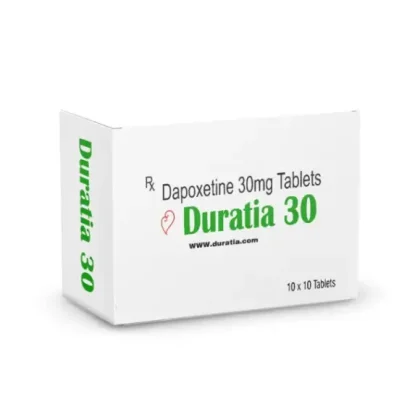
Duratia 30
Dapoxetine5 reviewsPrice range: $30.00 through $390.00 Select options This product has multiple variants. The options may be chosen on the product page -
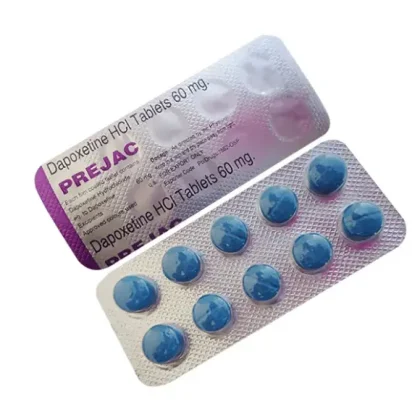
Prejac 60Mg
Dapoxetine5 reviewsPrice range: $27.00 through $230.00 Select options This product has multiple variants. The options may be chosen on the product page -

Super P Force
Dapoxetine6 reviewsPrice range: $48.00 through $174.00 Select options This product has multiple variants. The options may be chosen on the product page
What Causes Delayed Ejaculation?
The condition may have physical, emotional or medication-related causes. In some cases, more than one factor is involved.
Common causes include:
- Stress or performance anxiety
- Depression or relationship tension
- Not receiving the preferred type of stimulation
- Reduced penile sensitivity
- Diabetes or nerve damage
- Low testosterone or thyroid problems
- Previous prostate, bladder or pelvic surgery
- Heavy alcohol consumption
- Certain antidepressants or blood pressure medicines
Some men worry that low testosterone is always responsible. Hormonal problems can affect desire and arousal, but delayed ejaculation cannot be diagnosed from symptoms alone. Read more about low testosterone causes and symptoms before considering hormone-related products.
How to Ejaculate Faster Safely
1. Build More Arousal Before Intercourse
Starting penetration before you feel fully aroused may make orgasm more difficult. Spend more time on kissing, touching, oral stimulation or other activities that you and your partner enjoy.
Stronger arousal before intercourse may help your body reach orgasm more naturally. Try to maintain a comfortable rhythm instead of changing movements whenever you begin getting close.
2. Use the Right Type of Stimulation
Some men need a particular speed, pressure, angle or rhythm to ejaculate. This may explain why orgasm happens during masturbation but not during partnered sex.
Tell your partner what feels good. You can guide their hand, try a position that creates more contact or use a suitable vibrator when ordinary stimulation is not strong enough.
Use lubricant to reduce uncomfortable friction. Stop any activity that causes pain, numbness or irritation.
3. Review Your Masturbation Habits
Masturbation does not automatically cause delayed ejaculation. However, always using a very tight grip, intense pressure or one specific technique may make other forms of stimulation feel less effective.
Try using a lighter grip, lubricant and different movements. You can also avoid masturbating shortly before planned sexual activity to see whether stronger desire and sensitivity make a difference.
The effect is different for every man. Our guide to masturbation and erectile dysfunction explains common concerns without blaming normal sexual behaviour.
4. Reduce Performance Pressure
Constantly thinking, “Why am I not finishing?” can make it even harder to reach orgasm. Performance pressure takes attention away from pleasure and physical sensations.
Try slow breathing and focus on touch, warmth, movement and emotional connection. Remove distractions such as phones, television and work-related conversations.
Open communication is also important. Explain to your partner that delayed ejaculation does not necessarily mean a lack of attraction. Anxiety and psychological stress can affect different parts of sexual function, as discussed in our guide to psychological erectile dysfunction.
5. Limit Alcohol Before Sex
Alcohol may reduce anxiety temporarily, but larger amounts can dull sensation and interfere with the brain signals involved in arousal and orgasm.
Try avoiding alcohol before sexual activity and observe whether your sensitivity improves. Recreational drugs may also interfere with sexual response. Heavy or difficult-to-control substance use should be discussed with a healthcare professional.
6. Practise Pelvic Floor Exercises
Pelvic floor muscles are involved in erection and ejaculation. Exercises that strengthen these muscles may improve muscle awareness and sexual control for some men.
To identify them, imagine trying to stop urine flow. Tighten those muscles for three to five seconds, relax and repeat around 10 times.
Do not regularly perform the exercises while urinating because this may interfere with complete bladder emptying. Pelvic floor exercises may support sexual function, but they will not correct every cause of delayed ejaculation.
7. Check Your Medication
Certain antidepressants, especially medicines that affect serotonin, can delay orgasm and ejaculation. Some antipsychotics, blood pressure medicines and other prescription drugs may also contribute.
Never stop a prescribed medicine suddenly. Speak with the doctor who prescribed it. They may consider adjusting the dose, changing the medicine or treating the side effect in another way.
There is currently no medicine specifically approved to treat delayed ejaculation. Treatment normally depends on identifying and managing the underlying cause.
When Should You See a Doctor?
Consult a doctor or urologist if:
- You regularly cannot ejaculate
- The problem began suddenly
- You experience pain, numbness or urinary symptoms
- Symptoms started after taking a new medicine
- You have diabetes or a neurological condition
- You previously had prostate or pelvic surgery
- The problem is affecting your relationship
- You and your partner are trying to conceive
A doctor may ask about your health, medication, alcohol use, sexual habits and emotional well-being. Depending on your symptoms, blood tests, urine tests or other examinations may be recommended. Persistent ejaculation problems should be medically assessed rather than treated with unproven supplements.
Final Thoughts
Delayed ejaculation is not a sign of weakness or a lack of attraction toward your partner. It can result from insufficient stimulation, stress, medication, alcohol, health conditions or changes in sexual habits.
Building stronger arousal, communicating with your partner, changing stimulation and reducing pressure may help you ejaculate faster. When the problem continues, a doctor or qualified sex therapist can help identify the cause and recommend appropriate treatment.
FAQs
How long is considered delayed ejaculation?
There is no exact time limit for every man. It may be considered a problem when ejaculation regularly takes much longer than desired and causes stress, tiredness or relationship difficulties.
Why can I ejaculate during masturbation but not during sex?
Your usual masturbation technique may provide a type of pressure or speed that is difficult to reproduce during partnered sex. Anxiety, distraction and difficulty explaining your preferences may also contribute.
Can stress cause delayed ejaculation?
Yes. Stress and performance anxiety can distract the mind from pleasurable sensations and interrupt sexual arousal. Relaxation, better communication and counselling may help.
Do antidepressants delay ejaculation?
Some antidepressants, particularly SSRIs, can delay orgasm or make ejaculation difficult. Do not stop taking them without medical advice. Ask your doctor whether a safe adjustment is possible.
Can low testosterone cause delayed ejaculation?
Low testosterone may reduce desire and arousal, which can make orgasm more difficult. However, delayed ejaculation does not automatically mean testosterone is low. A blood test is required for diagnosis.
Can Viagra help a man ejaculate faster?
Viagra supports erections but does not directly trigger orgasm or ejaculation. It may only help when difficulty maintaining an erection prevents the man from reaching orgasm.
Can delayed ejaculation affect fertility?
Yes. Natural conception may become difficult if a man cannot ejaculate during intercourse. Couples trying to conceive should speak with a doctor or fertility specialist.
Can delayed ejaculation be treated?
Treatment is often possible, but it depends on the cause. Options may include changing medication, managing a health condition, improving stimulation, reducing alcohol or attending counselling or sex therapy.
Citations
GoodRxTab only refers to credible, authoritative sources for our content. If you’re curious about how we ensure the integrity of our content, we encourage you to read our Content Information Policy.