
Getting an erection at the wrong time isn’t something guys usually talk about, but almost every man deals with it at some point. Maybe it happens during a boring meeting, a crowded gym class, or right when you’re trying to focus on something completely unrelated. It’s awkward, sometimes embarrassing, and it can leave you wondering if something’s wrong with you.
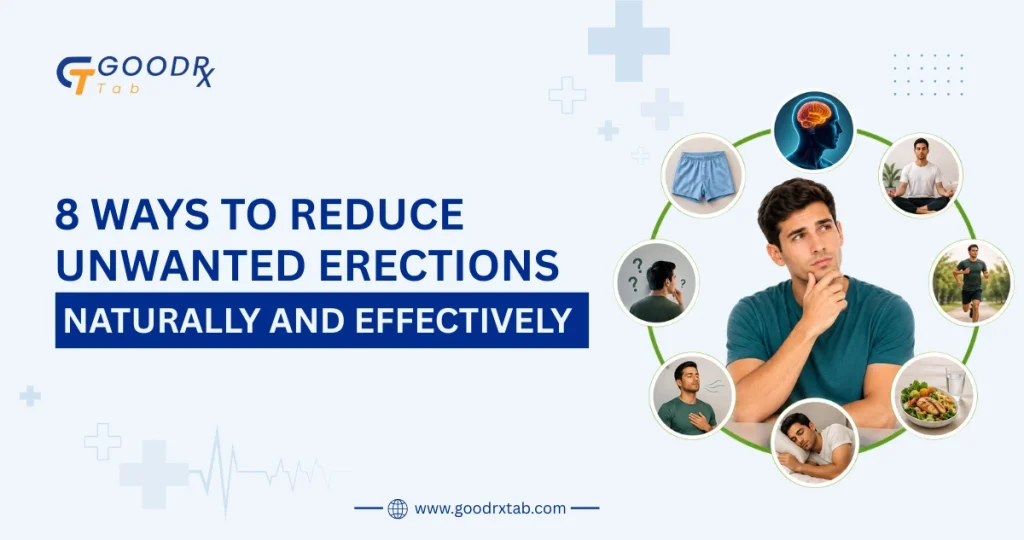
Here’s the truth: in most cases, nothing is wrong. Spontaneous erections are a normal part of how the male body works. Your nervous system and blood flow respond to all kinds of triggers, not just sexual thoughts. Friction from clothing, a full bladder, low-level anxiety, even certain smells can set things off. The good news is that there are practical, natural ways to get more control over your body’s response. Below are eight methods that actually help, along with a quick note on when frequent erections might be worth mentioning to a doctor.
1. Understand What’s Actually Triggering It
Before you can manage something, it helps to know why it’s happening. Erections aren’t only caused by arousal. They can be triggered by:
- Hormonal fluctuations, especially in teenagers and young adults
- Physical stimulation from tight clothing or friction
- A full bladder pressing on nearby nerves
- Stress or nervous energy
- Simply waking up, since testosterone naturally peaks in the early morning
Once you know your personal pattern, it becomes much easier to address it. Some guys notice it happens mostly in the morning, others notice it during specific situations like public speaking or physical activity. Pay attention for a week or two and you’ll likely spot a pattern.
2. Choose Looser, Breathable Clothing
Tight underwear and pants create more friction and pressure, which can make you more physically reactive throughout the day. Switching to breathable, looser-fitting boxers or briefs made from cotton can reduce unnecessary stimulation. This is a small change, but a lot of men notice a real difference just from adjusting what they wear, especially during workouts or long days sitting down.
3. Use Mental Distraction Techniques
This is one of the oldest tricks for a reason: it works. Redirecting your attention to something neutral or mildly unpleasant, like doing mental math, thinking about a task you need to finish, or focusing on an uncomfortable memory, can interrupt the physical response. The goal isn’t to shame yourself out of it, it’s simply to shift blood flow and focus elsewhere. Give your brain something else to chew on and the body usually follows.
4. Practice Slow, Controlled Breathing
Erections are partly driven by your sympathetic nervous system, the same system responsible for your fight-or-flight response. Slowing your breathing down activates the opposite system, the parasympathetic response, which calms things down. Try this:
- Breathe in through your nose for a count of four
- Hold for four seconds
- Exhale slowly through your mouth for six seconds
- Repeat five or six times
This technique doubles as a quick anxiety reducer, so it’s useful beyond just this specific issue.
5. Manage Everyday Stress and Anxiety
It sounds counterintuitive, but anxiety and nervous energy can actually trigger erections in some men, not just arousal. If you notice this happening in high-pressure situations like a job interview, a date, or a presentation, working on your baseline stress levels can help. Regular habits like journaling, short walks, or even five minutes of quiet before a stressful event can lower how reactive your body is in the moment.
6. Stay Physically Active
Regular exercise helps regulate hormones, improves circulation, and reduces excess nervous energy, all of which play a role in how often you experience spontaneous erections. Cardio like running, cycling, or swimming is particularly useful because it burns off built-up tension in the body. You don’t need an intense routine. Even 30 minutes of brisk walking most days can make a noticeable difference over a few weeks.
7. Watch Your Diet and Stimulant Intake
What you eat and drink affects your hormone levels and nervous system more than most people realize. A few things worth paying attention to:
- Excess caffeine can heighten nervous system activity and make you more physically reactive
- Certain supplements marketed for “male enhancement” or increased blood flow can have the opposite effect of what you want
- Alcohol in small amounts can lower inhibition, which sometimes increases frequency, though heavy drinking tends to suppress it
Cutting back on caffeine, staying hydrated, and eating a balanced diet with enough zinc and healthy fats supports more stable hormone levels overall.
8. Prioritize Good Sleep
Poor sleep throws off testosterone regulation, and testosterone naturally spikes during REM sleep, which is part of why morning erections are so common. If your sleep schedule is inconsistent or you’re not getting enough rest, your hormone levels can become less predictable, which may increase how often you experience unwanted erections. Aim for seven to nine hours a night and try to keep a consistent sleep and wake time, even on weekends.
When to See a Doctor
Occasional unwanted erections are normal and not something to stress over. But there are a few situations where it’s worth talking to a healthcare provider:
- The erection lasts longer than four hours, which is a condition called priapism and needs emergency medical attention
- It’s happening so frequently that it’s disrupting daily life, work, or relationships
- It’s accompanied by pain
- You’re also noticing other symptoms like unusual fatigue, mood changes, or other hormonal signs
A doctor can check for underlying causes like hormone imbalances, certain medications, or nerve-related issues, and rule out anything that needs treatment.
The Bottom Line
Spontaneous erections are a normal, if inconvenient, part of being human. Most of the time, they’re not a sign of a medical problem, just your body reacting to stimuli in ways you can’t always control. Small, consistent changes like wearing looser clothing, managing stress, staying active, and getting enough sleep can noticeably reduce how often it happens. If it ever starts interfering with your daily life or comes with other symptoms, don’t hesitate to bring it up with a doctor. It’s a common issue, and there’s nothing to be embarrassed about discussing it.
FAQs
Is it normal to get random erections throughout the day?
Yes. Erections aren’t only tied to sexual thoughts. Friction, a full bladder, hormone shifts, and even nervous energy can trigger one. Unless it’s causing pain or lasting for hours, it’s generally not a medical concern.
Why do I get erections when I’m nervous or stressed, not just aroused?
Stress activates your nervous system, and for some men that overlaps with the same pathways that control erections. It’s not arousal in the usual sense, it’s more of a physical side effect of a heightened nervous state.
Can diet actually affect how often this happens?
To some degree, yes. High caffeine intake and certain “enhancement” supplements can make your body more reactive. Cutting back on stimulants and eating a balanced diet helps keep hormone levels steadier.
Does exercise help reduce unwanted erections?
Regular exercise supports hormonal balance and reduces excess nervous energy, both of which play a role. It won’t eliminate the issue entirely, but consistent activity tends to reduce how often it happens.
At what point should I actually see a doctor about this?
If an erection lasts longer than four hours, is painful, or is frequent enough to interfere with daily life or work, it’s worth getting checked out. Those situations can point to an underlying issue that needs treatment.
Will this go away on its own as I get older?
For a lot of men, frequency does decrease with age as testosterone levels gradually decline. But age alone isn’t a fix, and younger men shouldn’t assume it will just resolve without any lifestyle changes.
Are there quick tricks to make it go away at the moment?
Mental distraction and slow, controlled breathing are the two most reliable in-the-moment techniques. Shifting your focus to something neutral and slowing your breathing down both work by calming your nervous system’s response.
Citations
GoodRxTab only refers to credible, authoritative sources for our content. If you’re curious about how we ensure the integrity of our content, we encourage you to read our Content Information Policy.