

If you’ve been feeling tired all the time, losing motivation in the gym, or noticing your sex drive isn’t what it used to be, you’re not imagining it. These are some of the most common reasons men start asking their doctor about testosterone therapy. And you’re far from alone — millions of American men are walking around with testosterone levels lower than what’s considered healthy, yet most of them never get tested or treated.
This guide breaks down what testosterone therapy actually does, who it’s meant for, the real risks involved, the different ways it can be given, and what your first few months of treatment might look like. Think of this as the conversation you wish you could have with a doctor friend before your actual appointment.
What Low Testosterone Actually Feels Like
Testosterone isn’t just about sex drive, even though that’s usually what comes to mind first. It plays a part in your energy levels, your mood, how easily you build muscle, your bone strength, and even how sharp your thinking feels day to day.
When levels drop below where they should be — a condition doctors call hypogonadism — men tend to notice a mix of the following:
- Constant tiredness, even after a full night’s sleep
- Lower interest in sex, or trouble with erections
- Losing muscle and gaining fat, despite no change in diet or exercise
- A flatter mood, irritability, or symptoms that look a lot like depression
- Trouble focusing, sometimes described as “brain fog”
- Thinning hair or reduced body hair
- Smaller testicles or lower sperm counts
Some of this is just part of getting older — testosterone naturally drifts downward by roughly 1 to 2 percent a year starting in your 30s. But a slow decline from aging is different from true hypogonadism caused by an underlying medical issue, and that distinction matters a lot when it comes to treatment.
-

Cenforce 100
Erectile Dysfunction17 reviewsPrice range: $25.00 through $300.00 Select options This product has multiple variants. The options may be chosen on the product page -

Vidalista 20
Erectile Dysfunction18 reviewsPrice range: $24.00 through $270.00 Select options This product has multiple variants. The options may be chosen on the product page -
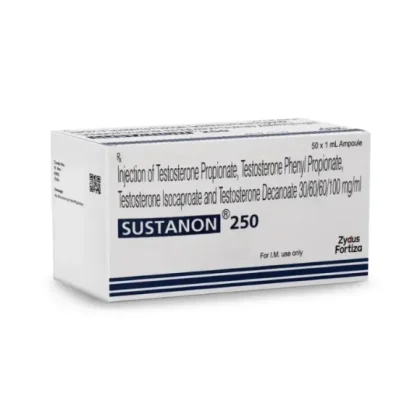
Sustanon 250
Body Building6 reviewsPrice range: $90.00 through $560.00 Select options This product has multiple variants. The options may be chosen on the product page
How Doctors Actually Diagnose It
This part surprises a lot of men: a single blood test isn’t enough. Testosterone levels swing throughout the day, peaking in the morning and dropping by evening, so doctors typically ask for at least two separate morning blood draws, usually taken between 7 and 10 a.m., before they’ll confirm a diagnosis.
Your provider will also want to rule out other things that can mimic low T, such as thyroid problems, sleep apnea, depression, or even certain medications. This is why a thorough doctor will ask about your sleep habits, stress levels, weight, and overall health before reaching for a prescription pad.
The Real Benefits of Testosterone Therapy
For men with a confirmed deficiency, the improvements can be genuinely life-changing. Research and real-world patient experience point to a few consistent wins:
Better energy and mood
Many men describe feeling like “themselves again” within a few weeks, with less fatigue and a more stable mood.
Improved sex drive and performance
This is usually the most noticeable change, often showing up within the first month or two.
More muscle, less fat
Testosterone plays a direct role in building lean muscle and burning fat, so men on therapy often see gradual changes in body composition over several months.
Stronger bones
Testosterone helps maintain bone density, which becomes especially important for men over 50, since weaker bones raise the risk of fractures later in life.
Possible metabolic benefits
Some studies suggest testosterone therapy can modestly improve insulin sensitivity in men who also have type 2 diabetes, though it’s not a replacement for diabetes medication or lifestyle changes.
It’s worth being honest, though: testosterone therapy is not a magic fix for aging, low energy from poor sleep, or weight gained from inactivity. It works best for men who have an actual deficiency confirmed through proper testing.
The Risks Nobody Should Skip
No medical treatment is risk-free, and testosterone therapy is no exception. Here’s what your doctor should be watching for:
Higher red blood cell count
This is the most common side effect, and if it’s not monitored, thicker blood can raise the risk of clots. Regular blood tests catch this early, and your dose can be adjusted if needed.
Prostate changes
Testosterone can cause the prostate to grow slightly larger, which may worsen urinary symptoms in men who already have an enlarged prostate. Current research hasn’t found that testosterone therapy causes prostate cancer in men without a prior history of it, but doctors still check PSA levels (a prostate marker) before and during treatment as a safety habit.
Fertility issues
This one catches a lot of younger men off guard. Testosterone therapy can shut down your body’s natural sperm production, sometimes significantly. If you’re hoping to have children in the future, this is a conversation to have with your doctor before starting treatment — there are alternative approaches that can support testosterone levels without sacrificing fertility.
Sleep apnea can get worse
If you already snore heavily or have diagnosed sleep apnea, testosterone can make it worse.
Skin reactions or mood swings
Acne, oily skin, and occasional irritability are reported, especially if levels swing too high between doses.
The bottom line: testosterone therapy should never be a do-it-yourself decision. It needs a diagnosis, a treatment plan, and ongoing bloodwork — not a supplement bought online without medical supervision.
Treatment Options: Which One Fits Your Life?
There isn’t a single “best” way to take testosterone — it really comes down to your routine, your comfort with needles, and how your body responds.
Injections
Given into the muscle, usually weekly or every other week, either at a clinic or self-administered at home after some training. This tends to be the most affordable option and allows for precise dose adjustments, though some men notice mood or energy dips right before their next dose, since levels rise and fall between shots.
Topical gels and creams
Applied daily to the shoulders, upper arms, or abdomen. They’re simple and needle-free, but absorption can be inconsistent, and there’s a real risk of transferring testosterone to a partner or child through skin contact, so application instructions matter.
Patches
Worn on the skin and changed daily. Similar convenience to gels, with a steadier release, though skin irritation at the patch site is a common complaint.
Pellets
Small pellets inserted under the skin during a quick in-office procedure, releasing testosterone steadily over three to six months. Great for men who don’t want to think about daily dosing, though adjusting the dose mid-cycle isn’t really possible once it’s placed.
Nasal gel
Applied inside the nostril a few times a day. It carries a lower risk of transferring to others compared to topical gels, though it requires more frequent dosing.
Oral capsules
Newer oral options have been developed that avoid the liver damage risks of older oral testosterone pills. They’re convenient but need to be taken consistently with food to work properly.
Your doctor will usually help you weigh convenience against stability, cost, and your personal preferences — there’s no wrong answer here, just trade-offs.
What to Expect Once You Start
Most men don’t feel different overnight. Here’s a rough timeline based on how the body typically responds:
- First few weeks: Mood and energy often improve first.
- 4 to 6 weeks: Sex drive and erectile function typically start showing improvement.
- 3 to 6 months: Changes in muscle mass, body fat, and strength become more noticeable.
- 6 to 12 months: Bone density improvements, if they happen, take the longest to show up on scans.
Throughout treatment, expect regular follow-up blood tests, usually at 3, 6, and 12 months, then annually once your levels stabilize. These checks track your testosterone level, red blood cell count, and PSA, and they’re not optional — they’re how your doctor keeps the treatment both effective and safe.
Talking to Your Doctor
If you’ve been dealing with the symptoms above for a while, it’s worth bringing it up at your next checkup rather than quietly living with it. Ask for the bloodwork, ask what your numbers actually mean for someone your age, and ask which delivery method makes sense for your lifestyle and health history.
Testosterone therapy can be genuinely transformative for the right candidate, but it works best as part of an honest, ongoing conversation with a healthcare provider — not a one-time prescription you set and forget.
FAQs
How do I know if I actually need testosterone therapy, or if I’m just tired from life?
The only way to know for sure is a blood test — usually two morning draws on separate days, since levels naturally rise and fall during the day. If your numbers come back low and you also have symptoms like fatigue or low libido, that points to true hypogonadism rather than just a rough patch.
Is testosterone therapy safe for the heart?
A large clinical trial designed specifically to test this found no increased risk of heart attack, stroke, or heart-related death in men on properly monitored therapy. Men with existing heart disease should still discuss it directly with their doctor first.
Will testosterone therapy affect my ability to have kids?
Yes, it can — testosterone therapy often slows or stops natural sperm production. Tell your doctor before starting if you’re planning to have children, since other options exist that don’t carry this trade-off.
How long does it take before I notice a difference?
Mood and energy usually improve within a few weeks, with sex drive following shortly after. Muscle gains, fat loss, and bone density changes take longer, usually several months to a year.
Can I just buy testosterone online without a prescription?
No — testosterone is a controlled substance in the U.S. and needs medical supervision. Skipping the bloodwork that goes with it means missing safety checks on your blood count and prostate, and unregulated products carry real contamination risks.
Does testosterone therapy cause prostate cancer?
Current research hasn’t found that it causes prostate cancer in men without a prior history of it. Doctors still check PSA levels regularly as a precaution, and men with active prostate cancer shouldn’t take it.
What happens if I stop testosterone therapy?
Your body won’t immediately resume full natural production, so symptoms like low energy and reduced libido often return within weeks to months. It’s best to stop under medical guidance rather than all at once.
Does insurance cover testosterone therapy?
Usually yes, if your low testosterone is tied to a documented medical condition. Coverage is less likely through direct-to-consumer telehealth clinics without a formal diagnosis, so you may pay out of pocket there.
Citations
GoodRxTab only refers to credible, authoritative sources for our content. If you’re curious about how we ensure the integrity of our content, we encourage you to read our Content Information Policy.