

You took the little blue pill, gave it the time it needed, and… nothing happened. Or maybe it worked just fine for months, even years, and then one day it simply stopped doing its job. If this sounds familiar, take a breath. You are far from alone. Studies on men using Viagra and similar drugs show that roughly three out of every ten users don’t get the results they were hoping for, and plenty of others find the medication fades in effectiveness over time. This isn’t a personal failure, and it doesn’t mean you’re stuck. It usually means something specific is going on, and once you know what it is, there’s almost always a path forward.
How Viagra Is Supposed to Work
Before figuring out why something broke, it helps to understand how it’s built. Viagra (sildenafil) doesn’t create arousal out of thin air. It works behind the scenes, helping blood vessels in the penis relax and open up once your body is already sexually stimulated. Think of it as removing a roadblock rather than starting the engine. If the “engine” — your arousal, your nerves, your blood vessels — isn’t running properly for any reason, the roadblock being cleared won’t matter much. That distinction is the key to understanding almost every case where Viagra seems to quit on you.
-

Cenforce 200 mg Tablet (Sildenafil)
Cenforce Tablet16 reviewsPrice range: $32.00 through $365.00 Select options This product has multiple variants. The options may be chosen on the product page -
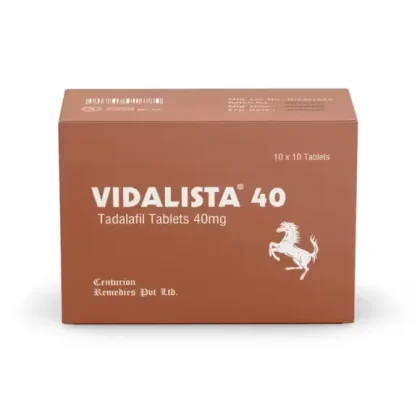
Vidalista 40 mg Tablet (Tadalafil)
Erectile Dysfunction17 reviewsPrice range: $27.00 through $340.00 Select options This product has multiple variants. The options may be chosen on the product page -

Kamagra 100 mg Oral Jelly (Sildenafil)
Erectile Dysfunction15 reviewsPrice range: $55.00 through $258.00 Select options This product has multiple variants. The options may be chosen on the product page
The Most Common Reasons Viagra Stops Working
You’re Not Quite Using It Right
This is the most overlooked reason, and it’s often the simplest one to fix. Viagra needs roughly 30 to 60 minutes to kick in, and a heavy or greasy meal can slow that absorption dramatically. Alcohol doesn’t help either — a drink or two might loosen you up mentally, but too much actually interferes with the physical mechanics of an erection. On top of that, sildenafil only works if you’re being stimulated. Skipping foreplay and expecting the pill to do all the work is a common, fixable mistake.
Your Body Has Changed Since You Started
Erectile dysfunction is rarely a static problem. If Viagra worked great for you a year or two ago and has slowly become less reliable, there’s a good chance something in your overall health has shifted. High blood pressure, high cholesterol, and type 2 diabetes are some of the biggest culprits because they damage the small blood vessels and nerves responsible for erections over time. Weight gain, low testosterone, and even certain prescription medications — antidepressants and blood pressure drugs are frequent offenders — can quietly chip away at how well sildenafil performs.
Your Mind Is Working Against Your Body
The brain and the body are deeply connected when it comes to sex, and stress doesn’t politely step aside just because you took a pill. Anxiety, depression, relationship tension, or plain performance pressure can all short-circuit arousal before Viagra ever gets the chance to help. In fact, once a man experiences one disappointing episode, a cycle can start: he worries it will happen again, that worry creates more tension, and the tension makes the next attempt harder. Breaking that loop often matters just as much as anything happening physically.
An Underlying Structural Issue
Less commonly, ED that doesn’t respond well to Viagra points to a structural issue, such as a venous leak, where blood escapes the penis too quickly to sustain an erection, or scar tissue from a condition like Peyronie’s disease. These cases usually don’t improve much with a higher dose, and they’re a good signal that it’s time to bring in a specialist rather than keep adjusting the medication on your own.
Giving Up Too Soon
Here’s something many men don’t realize: a single disappointing experience with Viagra doesn’t necessarily mean the drug isn’t right for you. Dosage matters a lot, and the standard starting dose isn’t always the right one for every body. Some men need a lower dose, some need a higher one, and it can take a few attempts under the right conditions before you know whether the medication truly isn’t working or whether the timing, dose, or circumstances just weren’t lined up correctly.
What to Do Next
The good news is that “Viagra isn’t working anymore” is rarely the end of the story — it’s usually the start of a more useful conversation, ideally with a doctor rather than a search engine alone.
Start with the basics.
Before assuming the medication has failed, double-check the simple stuff: timing it away from heavy meals, cutting back on alcohol beforehand, and making sure there’s enough foreplay and stimulation involved. It sounds almost too simple, but this resolves the issue for a surprising number of men.
Get checked for underlying conditions.
A doctor can run basic bloodwork to look at testosterone levels, blood sugar, and cardiovascular health. If diabetes or high blood pressure is quietly progressing in the background, treating that condition often restores some of the medication’s effectiveness, or at least clarifies why it’s struggling.
Talk about dosage and alternatives.
Sildenafil isn’t the only option available for men experiencing erectile dysfunction. Several other PDE5 inhibitors, including tadalafil, vardenafil, and avanafil, work slightly differently in terms of how quickly they start working and how long their effects last. Popular ED medications such as Cenforce 200 (sildenafil), Vidalista 40 (tadalafil), Vilitra 20 (vardenafil), Avana 100 (avanafil), and Kamagra Oral Jelly (sildenafil oral jelly) are commonly used by men seeking improved erectile performance. Some individuals respond better to one medication than another due to differences in body chemistry, health conditions, and lifestyle factors. If one treatment does not provide the desired results, switching medications, adjusting the dosage, or trying a different treatment approach is a common and medically accepted next step rather than a sign that treatment has failed.
Address the psychological side honestly.
If stress, anxiety, or relationship strain seem to be part of the picture, talking to a therapist who specializes in sexual health can make a real difference, sometimes more than any medication adjustment. This isn’t a sign of weakness; it’s simply treating the part of the problem that pills were never designed to fix.
Explore non-pill treatments if needed.
When oral medications consistently underdeliver, there are other well-established options: vacuum erection devices, injectable medications, and in some cases penile implants. None of these are a step backward — they’re simply different tools, and a urologist can help determine which one fits your situation.
Clean up the lifestyle factors you can control.
Quitting smoking, cutting back on heavy drinking, losing excess weight, and getting regular exercise all genuinely improve blood flow and circulation, which is exactly what erectile function depends on. These changes won’t happen overnight, but they support whatever treatment you end up using.
When to See a Doctor Right Away
A couple of situations call for prompt medical attention rather than a wait-and-see approach. If an erection lasts longer than four hours, that’s a medical emergency, not a bonus. And if you’re taking any nitrate medication for chest pain or heart disease, you should never combine it with Viagra or similar drugs, as the interaction can cause a dangerous drop in blood pressure.
The Bottom Line
Viagra losing its effectiveness, whether suddenly or gradually, is common, well understood, and almost always explainable. Sometimes it’s a fixable habit, sometimes it’s a sign that something else in your body needs attention, and sometimes it just means a different treatment will suit you better. None of that means you’re out of options. It means it’s time for an honest conversation with a healthcare provider who can look at the full picture and help you find what actually works for you.
FAQs
Is it normal for Viagra to stop working after it used to work fine?
Yes, this is very common. Your body changes over time, and that can change how well Viagra works. It usually doesn’t mean the pill is bad — something else changed.
Can your body get used to Viagra so it stops working?
Not really. True tolerance is rare. It’s usually a health change, like weight gain or stress, causing the problem, not your body “getting used to” the pill.
Why didn’t Viagra work the first time I tried it?
One bad try doesn’t mean much. Food, alcohol, timing, or not enough arousal can all affect it. Try it again the right way before giving up.
Can stress or anxiety stop Viagra from working?
Yes, very often. Viagra helps blood flow, but it can’t relax a stressed mind. Calming down and reducing stress can make a big difference.
Should I take a higher dose if it’s not working?
No, not on your own. A higher dose without a doctor’s advice can be risky and may not even fix the real problem. Always ask your doctor first.
Does Viagra stop working as you get older?
Age alone doesn’t stop it. But health issues that come with age, like high blood pressure or low testosterone, can make it less effective.
What if Viagra never works for me at all?
Some men just don’t respond to it, and that’s okay. Other options like Cialis, Stendra, or non-pill treatments may work better for you.
When should I see a doctor instead of trying to fix it myself?
If simple fixes don’t help after a few tries, it’s time to see a doctor. Also see one if you notice low energy or low sex drive too.
Citations
GoodRxTab only refers to credible, authoritative sources for our content. If you’re curious about how we ensure the integrity of our content, we encourage you to read our Content Information Policy.