
Anabolic & Hormonal
Anabolic and hormonal medicines are used to treat certain health conditions related to hormone levels, muscle development, and the body’s natural functions. Hormones play an important role in maintaining energy, bone strength, reproductive health, and overall well-being. When the body produces too much or too little of a particular hormone, it can lead to health problems that require medical attention.
This category includes testosterone replacement medicines and certain anabolic treatments prescribed for specific medical conditions. These medicines affect the body’s hormone system and should only be used under the guidance of a qualified healthcare professional.
What Are Anabolic and Hormonal Medicines?
Anabolic and hormonal medicines are treatments that influence hormone activity in the body. Some contain hormones similar to those naturally produced by the body, while others affect how hormones work.
Testosterone is one of the main hormones involved in male reproductive development, muscle maintenance, bone health, and sexual function.
Anabolic-androgenic steroids are synthetic substances that act like testosterone. The term anabolic refers to tissue-building effects, while androgenic refers to effects associated with male sex hormones.
Although these medicines have legitimate medical uses, taking anabolic steroids without medical supervision can cause serious health problems.
What Are Anabolic and Hormonal Medicines Used For?
Doctors prescribe hormonal treatments when a patient has a diagnosed medical condition that may benefit from hormone therapy.
Depending on the medicine and individual medical needs, these treatments may be used for:
-
Testosterone deficiency: Treating men with confirmed low testosterone levels and related symptoms.
-
Hormonal disorders: Managing certain conditions in which the body does not produce enough of a particular hormone.
-
Delayed puberty: Treating selected cases of delayed puberty under specialist supervision.
-
Specific muscle-wasting conditions: Using certain anabolic medicines where clinically appropriate and approved.
Not every anabolic medicine is suitable for every condition. A doctor must assess symptoms, medical history, and laboratory results before recommending treatment.
How Do Anabolic and Hormonal Medicines Work?
Anabolic and hormonal medicines work by affecting hormone receptors and biological processes in the body.
Testosterone replacement therapy helps restore testosterone levels in people who have a medically confirmed deficiency. This may improve symptoms associated with low testosterone, such as reduced sexual function or loss of certain male physical characteristics.
Anabolic-androgenic medicines can also influence protein production in tissues, including muscle. However, this does not mean they are safe to use for bodybuilding or athletic performance.
The effects depend on the active ingredient, dosage, treatment duration, and individual health condition.
Types of Anabolic and Hormonal Medicines
Different medicines are available depending on the condition being treated.
Testosterone Injections
Testosterone injections deliver the hormone into the body to treat certain forms of testosterone deficiency.
Products such as Sustanon 250 mg and Testoviron Depot 250 mg are examples of testosterone-based injectable medicines available in some markets. Their formulations, approved uses, and availability may differ by country.
Testosterone Capsules and Other Formulations
Some testosterone medicines are available as oral capsules, gels, or other preparations.
For example, Cernos 40 mg Softgel contains testosterone undecanoate. The appropriate formulation depends on medical needs, absorption characteristics, and the prescribing doctor’s assessment.
Other Anabolic Medicines
Certain synthetic anabolic-androgenic medicines have limited medical applications. They are different from corticosteroids and should not be used interchangeably.
Their use requires careful medical assessment because of possible effects on the heart, liver, reproductive system, and other organs.
Possible Side Effects of Anabolic and Hormonal Medicines
Like other prescription treatments, hormonal medicines can cause unwanted effects.
Possible side effects include:
-
Acne or oily skin
-
Fluid retention
-
Changes in mood
-
Increased red blood cell levels
-
Changes in cholesterol levels
-
Reduced sperm production
-
Breast tenderness or enlargement
-
Sleep-related breathing problems
Misusing anabolic steroids can increase the risk of heart attack, stroke, liver damage, kidney problems, and infertility. Some adverse effects may be long-lasting.
MedlinePlus+1
Anyone experiencing serious symptoms during treatment should seek medical attention.
Precautions Before Using Hormonal Medicines
Hormonal treatment should begin only after a proper medical examination.
For testosterone replacement therapy, doctors generally check testosterone levels through blood tests and evaluate the symptoms associated with deficiency. Repeat morning testing is usually recommended before confirming the diagnosis.
Patients should inform their doctor about existing heart conditions, prostate problems, sleep apnea, blood disorders, and plans to have children.
Testosterone treatment can reduce sperm production, so it may not be appropriate for men planning fertility. Regular follow-up appointments and blood tests help doctors monitor treatment safety and effectiveness.
Endocrine Society+1
Frequently Asked Questions
1. Are anabolic and hormonal medicines the same?
Not exactly. Hormonal medicines include many types of hormone-based treatments, while anabolic-androgenic medicines specifically have effects similar to testosterone.
2. Can testosterone medicines treat low testosterone?
Yes. Testosterone replacement may be prescribed when blood tests confirm low testosterone and the patient has related symptoms.
3. Are anabolic steroids safe for muscle building?
Using anabolic steroids without medical supervision for muscle building can cause serious health risks and is not recommended.
4. Do hormonal medicines require a prescription?
Testosterone and anabolic-androgenic medicines generally require a prescription, although regulations vary by country.
Final Thoughts
Anabolic and hormonal medicines have an important place in treating certain hormone-related medical conditions. When prescribed appropriately, they may help manage symptoms of confirmed hormone deficiencies and support specific medical needs.
However, these medicines are not suitable for everyone. Choosing the right treatment requires an accurate diagnosis, professional advice, and regular monitoring. Understanding how these medicines work, their possible benefits, and their risks can help patients make informed decisions about their health.
Showing all 4 results
-
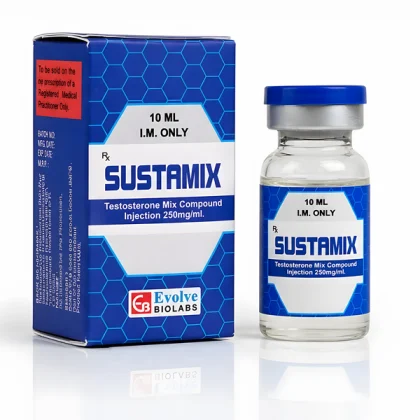
Sustamix 250mg Injection (Testosterone Blend)
Anabolic & HormonalPrice range: $85.00 through $600.00 Select options This product has multiple variants. The options may be chosen on the product page -
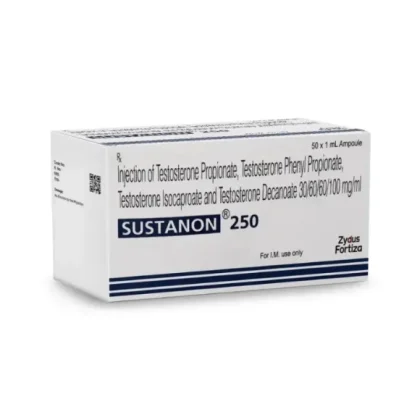
Sustanon 250 mg Injection (Testosterone Blend)
Anabolic & Hormonal6 reviewsPrice range: $99.00 through $549.00 Select options This product has multiple variants. The options may be chosen on the product page -
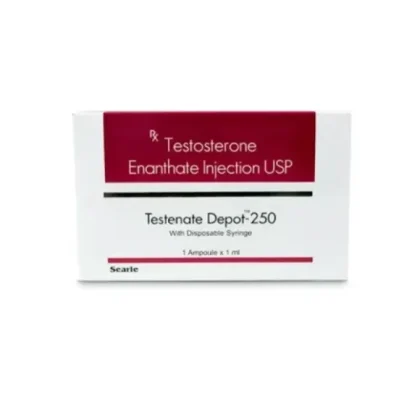
Testenate Depot 250 mg Injection (Testosterone)
Anabolic & Hormonal7 reviewsPrice range: $90.00 through $320.00 Select options This product has multiple variants. The options may be chosen on the product page -
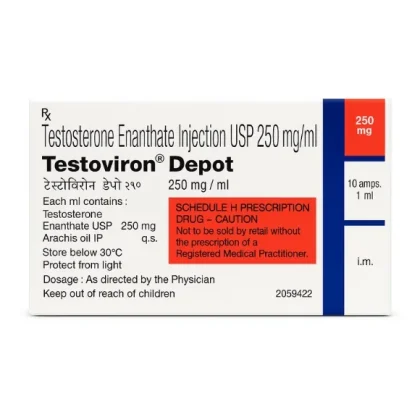
Testoviron Depot 250 mg Injection (Testosterone Enanthate)
Anabolic & Hormonal7 reviewsPrice range: $230.00 through $820.00 Select options This product has multiple variants. The options may be chosen on the product page