
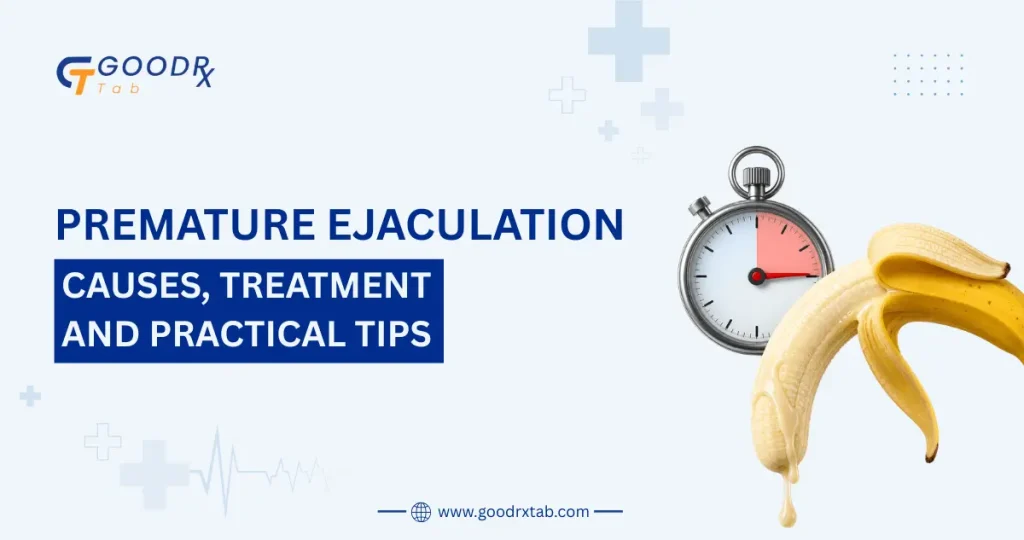
Premature ejaculation, commonly known as PE, is a sexual condition in which a man ejaculates sooner than he or his partner would prefer. He may also feel that he has little control over when ejaculation happens.
Having this experience occasionally is normal. Stress, excitement, tiredness or a long gap between sexual encounters can sometimes cause early ejaculation. It becomes a concern when it happens regularly, causes emotional distress or begins to affect a relationship.
Premature ejaculation is common and treatable. Depending on the cause, behavioural exercises, counselling, medical treatment and a few practical changes may help improve control.
Types of Premature Ejaculation
Premature ejaculation is generally divided into two types:
Lifelong Premature Ejaculation
This type begins during a man’s earliest sexual experiences and continues during most sexual encounters. It may be connected to biological sensitivity, serotonin activity or sexual habits developed at a young age.
Acquired Premature Ejaculation
Acquired PE develops later in life after a man previously had satisfactory control over ejaculation. It may be connected to stress, relationship difficulties, erectile dysfunction or certain physical health problems.
Understanding the type of PE can help a healthcare professional recommend a suitable treatment plan.
-
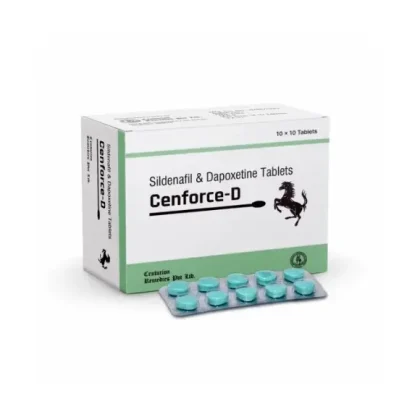
Cenforce D 160
Cenforce Tablet4 reviewsPrice range: $45.00 through $600.00 Select options This product has multiple variants. The options may be chosen on the product page -
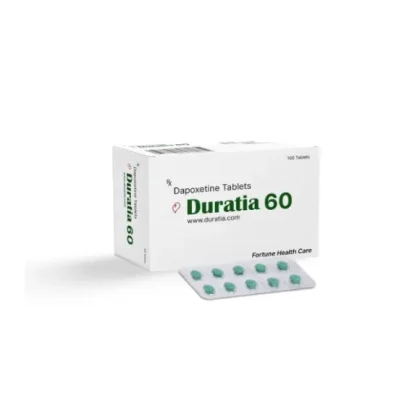
Duratia 60
Dapoxetine4 reviewsPrice range: $32.00 through $389.00 Select options This product has multiple variants. The options may be chosen on the product page -
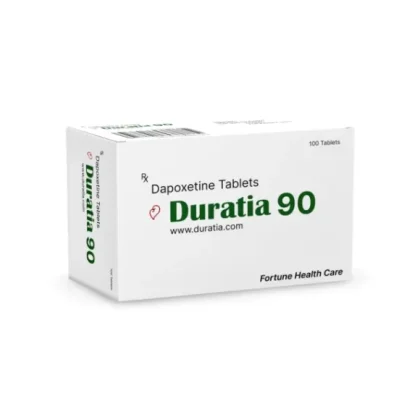
Duratia 90
Dapoxetine4 reviewsPrice range: $31.00 through $318.00 Select options This product has multiple variants. The options may be chosen on the product page
What Causes Premature Ejaculation?
There is rarely one single cause. In many cases, psychological and physical factors work together. Men who want to understand the broader reasons behind early ejaculation can also read about what causes a man not to last longer in bed.
Psychological and Emotional Causes
Common emotional factors include:
- Performance anxiety
- Work or financial stress
- Depression or low mood
- Low sexual confidence
- Relationship tension
- Fear of losing an erection
- Previous rushed sexual experiences
Performance anxiety can create a repeated cycle. A man worries about ejaculating early, the worry increases his tension, and this makes ejaculation even harder to control.
Physical and Biological Causes
Physical factors may include:
- Increased penile sensitivity
- Differences in serotonin signalling
- Prostate inflammation
- Hormonal or thyroid problems
- Erectile dysfunction
- Certain medicines or recreational drugs
Premature ejaculation and erectile dysfunction can sometimes occur together. A man who fears losing his erection may rush intercourse and develop a repeated pattern of ejaculating quickly. Understanding the connection between erectile dysfunction and premature ejaculation may help men recognise when both conditions require attention.
Treatment for Premature Ejaculation
The most suitable treatment depends on the cause, frequency and effect of PE on the man and his relationship. Some men improve with practical exercises, while others may require counselling or medical treatment.
Stop-Start Technique
During sexual stimulation, stop when you feel close to ejaculation. Wait until the urge becomes weaker, and then begin again.
Repeating this process may help you understand your arousal level and develop better control. It usually requires regular practice rather than producing an immediate result.
Squeeze Technique
When ejaculation feels close, pause sexual activity and gently squeeze the area where the head of the penis meets the shaft. Hold the pressure briefly until the urge reduces.
Some men find this technique helpful, although the stop-start method may feel more comfortable for others.
Pelvic Floor Exercises
Pelvic floor muscles play an important role in ejaculation control. Strengthening them may make it easier to delay ejaculation.
Identify the correct muscles by imagining that you are stopping urine or preventing yourself from passing gas. Tighten the muscles for about three seconds, relax for three seconds and repeat several times.
Do not regularly stop urine while actually urinating, as this may affect normal bladder emptying.
Counselling and Sex Therapy
Counselling can help when PE is connected to anxiety, low confidence, relationship problems or difficult past experiences.
A therapist may help a man reduce performance pressure, improve communication with his partner and develop healthier expectations about sex. Couples therapy can also be useful when PE is causing frustration or emotional distance.
Condoms and Delay Products
Thicker condoms may reduce sensitivity and help delay ejaculation. Some delay creams and sprays contain mild numbing ingredients such as lidocaine or prilocaine.
These products should be used carefully. Applying too much may cause excessive numbness, reduce sexual pleasure or transfer the numbing effect to a partner.
Dapoxetine
Dapoxetine is a short-acting selective serotonin reuptake inhibitor, or SSRI, developed for the treatment of premature ejaculation. Unlike many antidepressants that are taken daily, Dapoxetine is usually taken before sexual activity in countries where it is approved.
It may help some men delay ejaculation and improve control. You can learn more about the benefits, use and precautions of Dapoxetine for premature ejaculation.
Dapoxetine is not suitable for everyone. It may cause nausea, dizziness, headache or faintness and can interact with other medicines. It should only be used after consulting a qualified doctor or pharmacist.
Practical Tips to Improve Ejaculation Control
The following habits may help reduce pressure and improve sexual control:
Slow down: Do not make penetration the only goal. Spend more time on communication, affection and other forms of intimacy.
Understand your arousal: Learn to notice when excitement begins increasing. Pause before reaching the point where ejaculation becomes unavoidable.
Control your breathing: Slow and steady breathing may help relax your body and reduce performance anxiety.
Communicate with your partner: Explain when you need to pause or slow down. A supportive partner can make behavioural techniques easier.
Manage stress: Regular exercise, enough sleep and relaxation techniques may support better sexual wellbeing.
Avoid alcohol as a solution: Alcohol is not a reliable treatment. It may weaken erections and create unhealthy dependence when used for sexual confidence.
Practise regularly: Improving ejaculation control often takes time. Men looking for additional techniques can explore practical advice on how to last longer in bed.
Avoid unknown products: Do not use unregulated pills, oils or herbal remedies that promise an instant or permanent cure.
When Should You Seek Medical Help?
Speak to a doctor or sexual health professional when:
- PE happens during most sexual encounters
- The condition continues for several months
- It causes anxiety or relationship problems
- It begins suddenly after previously normal control
- You also experience erection difficulties
- You have pelvic pain or urinary symptoms
- You are considering prescription medication
A healthcare professional can identify possible causes and explain the safest treatment options. Premature ejaculation is common and treatable, so there is no need to feel embarrassed about asking for help.
FAQs
Is premature ejaculation a serious health problem?
PE is not usually physically dangerous. However, persistent PE can affect confidence, emotional health and relationships. Sudden PE with pain, urinary symptoms or erection problems should be medically assessed.
Can premature ejaculation be cured permanently?
There is no single permanent cure that works for every man. However, behavioural techniques, counselling and suitable medical treatment can significantly improve control.
Does masturbation cause premature ejaculation?
Masturbation itself does not cause PE. However, repeatedly rushing masturbation may create a habit of reaching ejaculation quickly. Slower stimulation and the stop-start method may help change this pattern.
Can condoms help a man last longer?
Yes. Thicker or delay condoms may reduce penile sensitivity and help some men delay ejaculation. Results can vary between individuals.
Is Dapoxetine safe for everyone?
No. Dapoxetine may interact with other medicines and may not be suitable for men with certain heart, liver or mental health conditions. It should only be used after professional medical advice.
Can stress cause premature ejaculation?
Yes. Stress and performance anxiety can increase tension during sexual activity, making ejaculation more difficult to control. Stress management and counselling may help when anxiety is a major factor.
Conclusion
Premature ejaculation is a common sexual concern that can affect men of different ages. It may be related to anxiety, increased sensitivity, relationship difficulties, erectile dysfunction or other health factors.
Practical methods such as the stop-start technique, pelvic floor exercises and open communication may improve control. Counselling, delay products or prescription treatment may also be considered when the condition continues.
The best results usually come from understanding the cause and choosing a safe treatment plan with professional guidance.
Citations
GoodRxTab only refers to credible, authoritative sources for our content. If you’re curious about how we ensure the integrity of our content, we encourage you to read our Content Information Policy.