
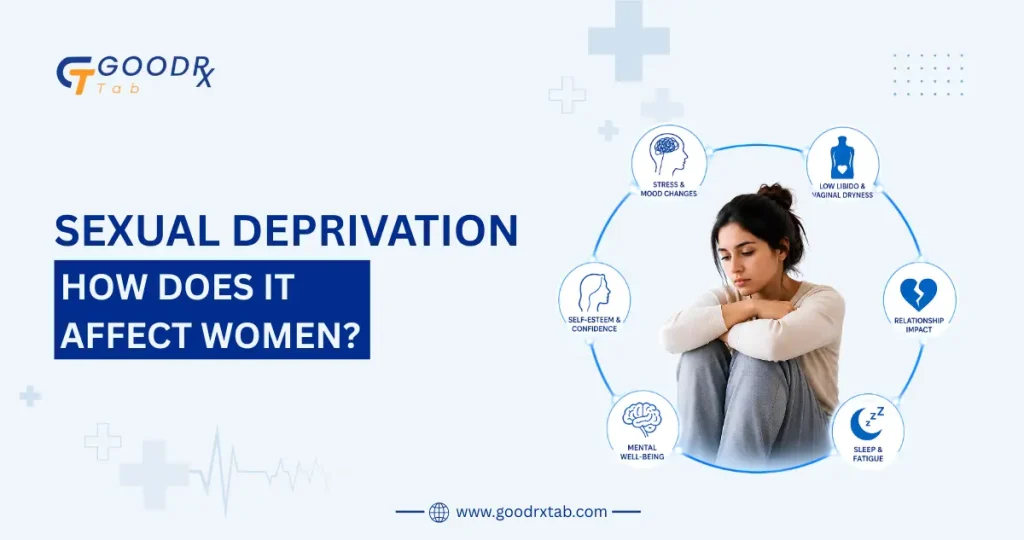
Sexual intimacy can be an important part of a healthy relationship. It may help partners feel loved, desired, emotionally connected, and comfortable with each other. However, many women experience periods when their sexual or emotional needs are not fulfilled.
This situation is often called sexual deprivation. It generally refers to frustration or emotional distress caused by a lack of desired sexual intimacy. It may occur when partners have different levels of sexual desire, live apart, experience relationship problems, or face health conditions that affect sexual activity.
Sexual deprivation is not an official medical diagnosis. Also, not having sex does not automatically create a health problem. Some women voluntarily avoid sexual activity and feel completely comfortable. Difficulties are more likely when the lack of intimacy is unwanted and causes sadness, frustration, loneliness, or relationship conflict.
Signs of Sexual Deprivation in Women
The effects of unmet sexual needs can vary from one woman to another. Some women may experience emotional changes, while others may notice problems in their relationships.
1. Changes in Mood
A woman who feels sexually or emotionally unsatisfied may become frustrated, restless, irritable, or unusually sensitive. She may feel that her partner is ignoring her needs or no longer finds her attractive.
However, mood changes should not always be blamed on a lack of sex. Stress, hormonal changes, poor sleep, anxiety, depression, work pressure, and family responsibilities can produce similar symptoms.
2. Difficulty Concentrating
Some women may spend more time thinking about their relationship, rejection, or unfulfilled desires. This overthinking can make it difficult to focus on work, daily responsibilities, or personal goals.
The concentration problem is usually related to emotional stress rather than physical damage caused by not having sex.
3. Emotional Disconnection
When sexual activity decreases because a male partner is experiencing erection problems, a woman may feel rejected, unattractive, or emotionally neglected. However, erectile dysfunction is often connected to physical health, stress, medication, or performance anxiety rather than a lack of attraction. Understanding how erectile dysfunction affects a woman can help couples discuss the problem without blame or misunderstanding.
Over time, partners may stop hugging, kissing, holding hands, or sharing personal feelings. This can make the relationship feel more like a friendship or living arrangement than a romantic partnership.
4. Frequent Arguments
Unmet emotional or sexual expectations can sometimes create resentment. Small disagreements may turn into larger arguments because the real concern has not been discussed.
One partner may feel ignored, while the other may feel pressured. Without honest communication, both partners may misunderstand each other’s behaviour.
5. Reduced Confidence
Repeated sexual rejection may affect a woman’s self-esteem. She may question her appearance, attractiveness, age, or ability to satisfy her partner.
A partner’s low sexual interest, however, is not always related to attraction. Stress, depression, tiredness, medication, chronic illness, erectile dysfunction, premature ejaculation, hormonal problems, and performance anxiety can all reduce sexual activity. Female sexual concerns may similarly involve desire, arousal, orgasm, pain, medication, or emotional factors.
6. Changes in Sexual Desire
Sexual deprivation does not affect desire in the same way for every woman. Some women may experience stronger fantasies or an increased desire for intimacy. Others may gradually lose interest in sex.
Desire may decrease when intimacy becomes connected with rejection, pain, pressure, stress, or disappointment. It can also change during pregnancy, after childbirth, during menopause, or because of certain medicines and medical conditions.
Common Causes of Sexual Deprivation
Mismatched Libidos
Partners do not always have the same level of sexual desire. One may want intimacy more frequently, while the other may have a lower sex drive.
This difference is normal, but it can create frustration when partners do not discuss their needs or try to understand each other.
A Partner’s Sexual Difficulties
Erectile dysfunction, premature ejaculation, delayed ejaculation, low desire, and difficulty reaching orgasm may interrupt sexual activity. These conditions can leave both partners feeling disappointed or embarrassed.
Not every sexual performance problem has a physical cause. Anxiety, depression, relationship tension, and fear of failure may interfere with arousal and sexual confidence. Learning more about psychological erectile dysfunction may help couples understand why emotional support and professional counselling can sometimes be as important as medical treatment.
Low Desire in Women
A woman’s sexual desire may naturally change during menstruation, pregnancy, breastfeeding, perimenopause, and menopause. These changes are influenced by hormones, physical health, emotional well-being, and relationship quality. Our guide to female sexual health and hormonal changes throughout life explains how different life stages may affect desire, comfort, and intimacy.
Communication Problems
Many couples expect their partners to understand their needs without discussing them. Unfortunately, silence often creates confusion.
A woman may think her partner is no longer interested in her, while her partner may actually be dealing with stress, illness, insecurity, or fear of sexual failure.
Physical Distance
Long-distance relationships, work travel, military service, family responsibilities, or separation may keep partners apart. Even when the relationship remains emotionally strong, the absence of physical closeness can create loneliness or frustration.
Does Sexual Deprivation Cause Physical Health Problems?
Not having sex does not directly cause PCOS, infertility, high blood pressure, or other serious diseases. Sexual abstinence itself is not physically dangerous.
However, the emotional stress surrounding rejection, loneliness, or relationship conflict may affect sleep, mood, appetite, and overall well-being.
Some women avoid sexual intimacy because intercourse is uncomfortable or painful. Vaginal dryness, infections, hormonal changes, endometriosis, pelvic-floor tension, and insufficient arousal are among the possible causes. Women experiencing repeated discomfort can read more about the common causes of female pain during sex and when medical advice may be necessary.
Persistent pain during sex should not be ignored. It may be associated with dryness, infections, endometriosis, menopause, ovarian cysts, pelvic-floor problems, or another condition requiring medical attention.
How to Manage Sexual Deprivation
Communicate Honestly
Choose a calm moment and explain how you feel without blaming your partner. You might say:
“I miss feeling close to you, and I would like us to talk about our intimacy.”
This approach is more helpful than criticism or accusations.
Rebuild Emotional Closeness
Intimacy is not limited to intercourse. Hugging, kissing, cuddling, holding hands, going on dates, sharing feelings, and spending uninterrupted time together may help restore connection.
Avoid Pressure
No person should be forced or emotionally pressured into sexual activity. Both partners’ comfort, boundaries, health, and consent must be respected. Sexual well-being requires a positive, safe, and respectful approach to intimacy.
Treat the Underlying Problem
Medical treatment may help when intimacy is affected by pain, vaginal dryness, hormonal changes, erectile dysfunction, premature ejaculation, depression, or medication side effects.
There is no single pill that treats sexual deprivation itself. Treatment depends on the actual cause.
Seek Professional Support
A gynecologist, primary-care doctor, couples counsellor, mental-health professional, pelvic-floor therapist, or qualified sex therapist may help when the problem continues.
Final Thoughts
Sexual deprivation can affect women emotionally and may create frustration, low confidence, poor concentration, arguments, or distance within a relationship. However, every woman responds differently, and voluntary abstinence is not harmful.
The most important step is to identify the real reason behind the lack of intimacy. Honest communication, emotional affection, medical care, and relationship support can help couples address the problem respectfully.
FAQs
Can men also experience sexual deprivation?
Yes. Sexual deprivation can affect people of any gender. Its impact depends on personal desire, emotional needs, relationship expectations, and whether the lack of intimacy causes distress.
Can sexual deprivation cause depression?
A lack of sex does not directly cause clinical depression. However, repeated rejection, loneliness, poor self-esteem, or relationship conflict may contribute to sadness and emotional distress.
Can a pill treat sexual deprivation?
There is no specific medicine for sexual deprivation. Medication may only be appropriate when an underlying condition, such as hormonal changes, pain, erectile dysfunction, or depression, is affecting intimacy.
How can a woman overcome sexual deprivation?
Start with open communication, rebuild emotional closeness, and identify possible physical or relationship causes. Professional counselling or medical advice may help when the problem continues.
Does not having sex harm a woman’s body?
No. Not having sex does not normally damage a woman’s body. Medical advice is recommended if she experiences persistent pain, vaginal dryness, bleeding, sudden loss of desire, or emotional distress.
Citations
GoodRxTab only refers to credible, authoritative sources for our content. If you’re curious about how we ensure the integrity of our content, we encourage you to read our Content Information Policy.