

Testosterone is usually described as a male hormone, but it also plays an important role in women’s health. Women naturally produce smaller amounts of testosterone in the ovaries and adrenal glands. It helps support sexual desire, arousal and normal sexual function.
Testosterone levels generally decline with age and may fall more suddenly after the ovaries are surgically removed. However, having a low testosterone result does not automatically mean that a woman needs treatment. Symptoms such as poor sleep, stress, relationship difficulties, vaginal dryness, depression and medication side effects can also reduce sexual desire.
For some women, especially after menopause, a doctor may recommend testosterone gel when persistent low sexual desire causes distress. Treatment should always be supervised because women usually need a much smaller dose than men.
What Is Testosterone Gel for Women?
Testosterone gel is a topical hormone treatment applied directly to the skin. The hormone passes through the skin and enters the bloodstream gradually.
In many countries, testosterone gels available from pharmacies were originally developed for men. Doctors may prescribe a very small amount to women on an off-label basis. Off-label treatment means that a licensed medicine is used for a purpose or patient group not specifically covered by its official product licence.
Although this can be appropriate in certain situations, the dose must be carefully measured. A normal male dose may be many times higher than the amount a woman requires.
Women experiencing symptoms such as reduced libido, tiredness or changes in sexual response may also find it helpful to understand the broader signs of low testosterone in women. However, symptoms alone are not enough to confirm that testosterone treatment is necessary.
-
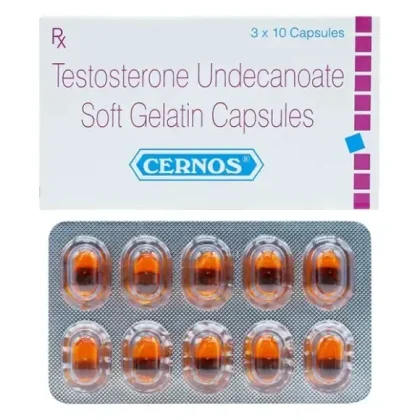
Cernos 40 mg Softgel
Erectile Dysfunction4 reviewsPrice range: $91.00 through $177.00 Select options This product has multiple variants. The options may be chosen on the product page -
Sustaviron 250
Body Building7 reviewsPrice range: $115.00 through $370.00 Select options This product has multiple variants. The options may be chosen on the product page -
Testenate Depot 250
Body Building7 reviewsPrice range: $90.00 through $320.00 Select options This product has multiple variants. The options may be chosen on the product page
Why Is Testosterone Gel Prescribed to Women?
The best-supported use of testosterone therapy in women is for hypoactive sexual desire disorder, or HSDD, mainly after menopause.
HSDD involves a persistent lack of sexual interest that causes personal distress. It is not the same as temporarily feeling less interested in sex because of tiredness, a busy schedule or relationship stress.
Before recommending testosterone, a healthcare professional should look for other possible causes, including:
- Vaginal dryness or discomfort
- Pain during sexual activity
- Menopause-related estrogen deficiency
- Anxiety, depression or ongoing stress
- Relationship difficulties
- Poor sleep and low energy
- Thyroid problems or other health conditions
- Side effects from antidepressants or other medicines
The British Menopause Society recommends considering testosterone for low libido after other contributing factors and treatment options have been addressed. It also stresses that HSDD requires a complete biological, psychological and relationship-based assessment.
Pain can have a major effect on desire and arousal. A woman who experiences discomfort should first discuss possible causes and treatments for female pain during sex with a healthcare professional.
Possible Benefits of Testosterone Gel
When prescribed to an appropriate patient and used at a female physiological dose, testosterone may improve several areas of sexual health.
Increased sexual desire
The main potential benefit is an improvement in sexual interest. Some women notice that sexual thoughts become more frequent or that they feel more responsive to intimacy.
Improved arousal and pleasure
Testosterone may support arousal, sexual responsiveness and pleasure. It is not an instant stimulant, so women should not expect an immediate effect after applying the gel.
Better orgasmic function
Some women report that orgasms become easier to reach or feel more satisfying. However, testosterone will not correct every cause of orgasm difficulties.
Reduced distress about low libido
HSDD includes emotional distress caused by a continuing loss of desire. Successful treatment may reduce frustration, worry and dissatisfaction connected with sexual health.
Clinical guidance supports systemic testosterone primarily for postmenopausal women with HSDD rather than as a general treatment for all menopausal symptoms.
Women who want to understand how hormones affect desire at different ages can also read about female sexual health and hormonal changes throughout life.
Can It Improve Mood, Energy or Brain Fog?
Some women say they feel more energetic or mentally alert while using testosterone. However, current evidence does not support prescribing testosterone gel mainly for fatigue, weight loss, muscle building, low mood or brain fog.
These symptoms can have many causes, including poor sleep, anemia, thyroid conditions, depression, nutritional deficiencies and menopause-related changes. A proper medical assessment is therefore important.
The evidence-supported purpose of testosterone therapy in women remains much narrower than many online claims suggest. It should not be treated as a general anti-aging hormone.
Testosterone Gel Dosage for Women
There is no universal testosterone dose that is suitable for every woman. The dose depends on the product’s strength, its measuring system, the woman’s symptoms and her blood-test results.
British Menopause Society guidance refers to a female physiological applied dose of approximately 5 mg per day, followed by assessment of response and testosterone levels. This is not the same as saying that every woman should use 5 mg. Different products have different concentrations and absorption rates.
A pump, sachet or tube designed for men may contain much more than a woman’s daily dose. For example, some male products deliver 12.5 mg with a single pump action or 50 mg from one packet. Products can also have different application instructions and should not be considered interchangeable.
Women should follow the exact measuring instructions given by their prescriber. They should never estimate the dose by eye or assume that a whole sachet is appropriate.
A broader overview of available hormonal approaches can be found in this guide to testosterone replacement therapy for women.
How to Apply Testosterone Gel Safely
Application directions vary between products, so the prescription instructions should always come first. General safety steps include:
- Apply the exact prescribed amount to clean, dry and unbroken skin.
- Use only the body area recommended by the prescriber.
- Spread the gel in a thin layer and allow it to dry.
- Wash your hands thoroughly with soap and water.
- Cover the application site with clothing after the gel dries.
- Avoid washing the area for the period stated in the instructions.
- Rotate application areas if advised to reduce skin irritation.
Do not apply testosterone gel to the breasts, vagina, vulva or damaged skin unless a specialist specifically tells you to do so.
Avoiding Accidental Transfer
Testosterone gel can transfer to another person through skin contact. Children are particularly sensitive to accidental hormone exposure.
After applying the gel, wash your hands and cover the area once it is dry. Before close skin-to-skin contact, follow the product instructions about washing the application site.
If someone accidentally touches uncovered, unwashed skin containing the gel, the contacted area should be washed promptly with soap and water. Testosterone product information warns that secondary exposure has caused signs of virilization in children.
Blood Tests and Monitoring
A testosterone blood test cannot confirm by itself that low testosterone is causing reduced desire. Doctors mainly use testing to establish a baseline and prevent hormone levels from becoming too high.
A total testosterone test is generally performed before treatment begins. The British Menopause Society advises repeating it around six to twelve weeks after starting therapy. Women who continue treatment should have regular clinical reviews and at least annual testosterone monitoring.
The doctor will also check whether sexual desire is improving and ask about side effects. If there is no meaningful benefit after approximately six months, treatment should usually be stopped and the diagnosis reconsidered.
Possible Side Effects
Side effects are more likely when the dose is too high. Possible effects include:
- Acne or oily skin
- Increased facial or body hair
- Hair growth at the application site
- Scalp hair thinning
- Skin irritation
- Mood changes
- Voice changes
Very high testosterone exposure can cause clitoral enlargement, deepening of the voice and male-pattern hair loss. Some of these changes may be irreversible, which is why early reporting and regular monitoring are important.
Who Should Avoid Testosterone Gel?
Testosterone gel is generally unsuitable during pregnancy because testosterone exposure may harm fetal development. Women who are pregnant, trying to conceive or breastfeeding should discuss the risks with a healthcare professional.
Specialist assessment may also be necessary for women with:
- A history of hormone-sensitive cancer
- Active liver disease
- Unexplained high testosterone levels
- Significant acne or excess facial hair
- Male-pattern hair loss
- Uncontrolled cardiovascular risk factors
Women participating in competitive sports should also check anti-doping rules before using testosterone.
Final Advice
Testosterone gel may help selected postmenopausal women who have persistent, distressing low sexual desire after other causes have been assessed. Its main potential benefits relate to desire, arousal, pleasure and sexual satisfaction.
It is not a general treatment for aging, weight gain, tiredness or every menopause symptom. Because many testosterone gels are formulated for men, accurate measurement is especially important.
The safest approach is to use the lowest effective female dose under medical supervision, attend follow-up appointments and report acne, unusual hair growth, scalp hair loss, voice changes or genital changes promptly.
FAQs
How quickly does testosterone gel work for women?
Some women notice early improvement within four to eight weeks. It may take three months or longer to understand the full effect.
Can women use men’s testosterone gel?
A doctor may prescribe a carefully reduced amount off-label. Women should never use a male product without specific dosing instructions.
Does testosterone gel increase facial hair?
It can, especially when the dose produces testosterone levels above the normal female range. The dose may need to be reduced if this happens.
Will testosterone gel treat vaginal dryness?
Not usually. Vaginal moisturizers, lubricants, local estrogen or other treatments may be more suitable, depending on the cause.
Can testosterone gel be used before menopause?
Evidence is strongest for postmenopausal women with HSDD. Premenopausal use requires individual specialist assessment.
Is testosterone gel safe for long-term use?
Short-term evidence at female physiological doses is generally reassuring, but long-term safety information is more limited. Regular reviews and blood monitoring remain necessary.
Citations
GoodRxTab only refers to credible, authoritative sources for our content. If you’re curious about how we ensure the integrity of our content, we encourage you to read our Content Information Policy.