
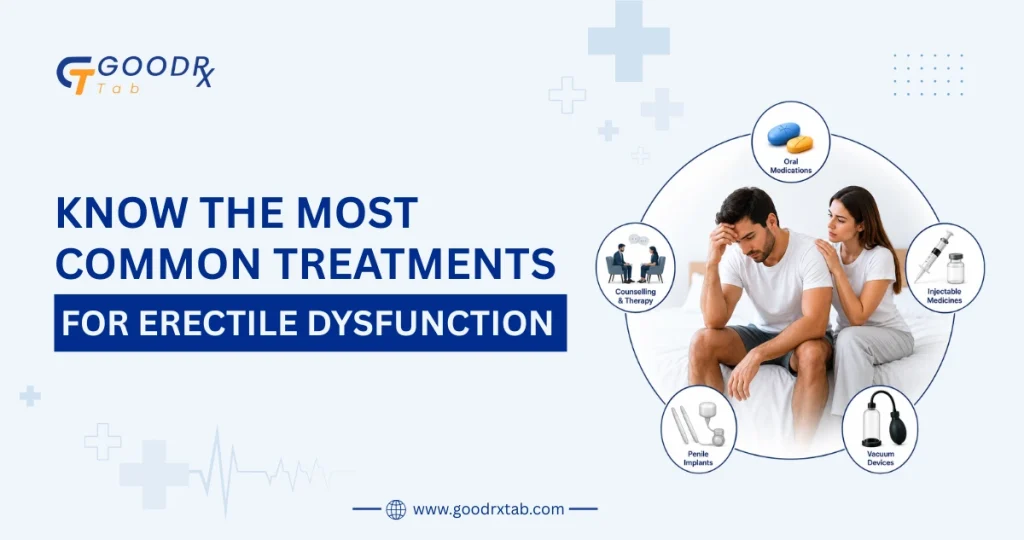
Erectile dysfunction, or ED, means regularly having difficulty getting or maintaining an erection firm enough for sexual activity. It may happen occasionally because of stress, tiredness, alcohol, or poor sleep. When the problem continues, however, it may be connected to a physical or emotional health condition.
Diabetes, high blood pressure, heart and blood vessel disease, obesity, low testosterone, nerve damage, smoking, anxiety, and certain medicines can all contribute to ED. Because there are many possible causes, the most effective treatment is not the same for every man.
A medical evaluation can help identify the underlying cause and determine which treatment is likely to be safe and effective.
Treatment Options for Erectile Dysfunction
Erectile dysfunction treatment may include prescription medicine, injections, vacuum devices, lifestyle changes, counselling, hormone therapy, or surgery.
Doctors usually begin with less invasive options. If those treatments do not work or cannot be used safely, other medical procedures may be considered.
-
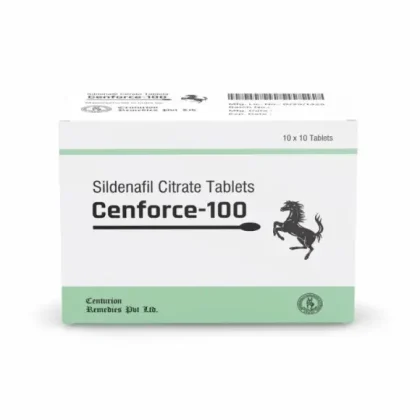
Cenforce 100 mg Tablet (Sildenafil)
Erectile Dysfunction17 reviewsPrice range: $25.00 through $300.00 Select options This product has multiple variants. The options may be chosen on the product page -
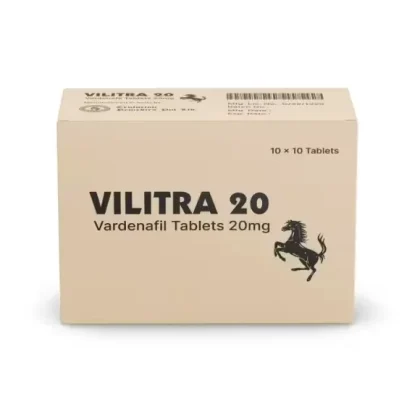
Vilitra 20 mg Tablet (Vardenafil)
Erectile Dysfunction15 reviewsPrice range: $51.00 through $600.00 Select options This product has multiple variants. The options may be chosen on the product page -
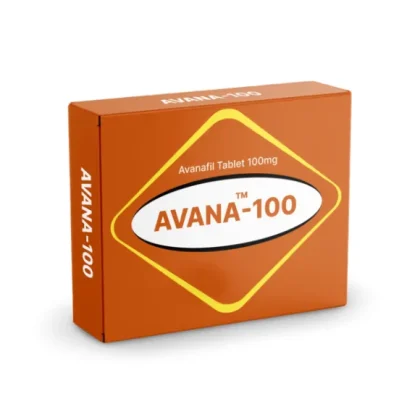
Avana 100 mg Tablet (Avanafil)
Avanafil4 reviewsPrice range: $64.00 through $220.00 Select options This product has multiple variants. The options may be chosen on the product page
Medical Erectile Dysfunction Treatments
Medical treatment is often recommended when lifestyle changes alone are not enough. The choice depends on the cause of ED, other health conditions, current medicines, and the patient’s preferences.
Oral Medications for Erectile Dysfunction
Oral medicines are among the most common treatments for erectile dysfunction. They belong to a group called phosphodiesterase type 5, or PDE5, inhibitors.
The main options are:
- Sildenafil
- Tadalafil
- Vardenafil
- Avanafil
These medicines improve blood flow to the penis when a man is sexually stimulated. They do not increase sexual desire or cause an automatic erection.
Sildenafil and Vardenafil
Sildenafil and vardenafil are generally taken before planned sexual activity. Their effectiveness may be reduced by a large or high-fat meal, particularly in the case of sildenafil.
Their effects usually last for several hours, although the exact response differs between individuals.
Tadalafil
Tadalafil has a longer period of action than many other ED tablets. Its effects may last for up to 36 hours, which gives couples a wider window for sexual activity.
It can also be prescribed as a smaller daily dose for suitable patients. This does not mean an erection lasts for 36 hours. It means the medicine may support an erection during sexual stimulation within that period.
Avanafil
Avanafil is another PDE5 inhibitor that may begin working relatively quickly. A doctor will decide whether it is suitable based on the patient’s health and other medications.
Possible side effects of oral ED medicines include headache, flushing, indigestion, nasal congestion, dizziness, back pain, and temporary vision changes.
PDE5 inhibitors must not be combined with nitrate medicines used for chest pain because the combination can cause a dangerous fall in blood pressure.
Injectable Medicines for Erectile Dysfunction
Penile injections may be recommended when oral medicines are ineffective or unsuitable.
Alprostadil is one commonly used injectable medicine. It may also be combined with papaverine and phentolamine in preparations known as Bimix or Trimix.
The medicine is injected into the side of the penis with a fine needle. It relaxes the blood vessels and often produces an erection within several minutes.
A healthcare professional must explain the correct dose and injection method. Possible risks include pain, bruising, scar tissue, and priapism. Priapism is an erection lasting longer than four hours and requires urgent medical care.
Devices and Surgical Interventions
Mechanical devices and surgery are generally considered when medicines do not provide satisfactory results.
Vacuum Erection Devices
A vacuum erection device consists of a cylinder, a pump, and a tension ring.
The cylinder is placed over the penis, and the pump removes air to create a vacuum. This draws blood into the penis. A ring is then placed around the base to help maintain the erection.
Vacuum devices may be helpful for men who cannot take oral medicines. Possible drawbacks include bruising, numbness, discomfort, and reduced spontaneity.
Penile Prostheses
A penile prosthesis is a surgically implanted device used for severe ED or when other treatments have failed.
The two main types are:
- Inflatable implants that create an erection using a pump
- Malleable rods that keep the penis firm but adjustable
Implants can provide dependable results, but surgery carries risks such as infection, pain, device failure, and the need for another operation.
Penile Revascularisation
Penile revascularisation is a less common operation that attempts to restore blood flow to the penis. It may be considered for selected younger men who have an artery injury caused by pelvic trauma.
It is not normally recommended for common age-related ED or widespread blood vessel disease.
Hormonal Therapy
Low testosterone can sometimes contribute to reduced sexual desire, low energy, mood changes, and erection difficulties.
Testosterone replacement therapy may be considered when blood tests confirm a genuine deficiency. It may be given through injections, gels, patches, or other prescribed methods.
Testosterone is not a standard treatment for every man with ED. It is unlikely to help when testosterone levels are already normal. Regular monitoring is also necessary because treatment can affect fertility, red blood cell levels, and prostate health.
Natural and Alternative Erectile Dysfunction Treatments
Some men use products containing ginseng, L-arginine, yohimbe, or horny goat weed. However, evidence for many herbal ED remedies remains limited.
Natural products can still cause side effects or interact with prescription medicines. Some sexual-enhancement supplements have also been found to contain hidden drug ingredients that were not declared on their labels.
A doctor or pharmacist should be consulted before using any supplement for ED.
Lifestyle Changes
Healthy daily habits can improve circulation and support other erectile dysfunction treatments.
Helpful changes include:
- Exercising regularly
- Quitting smoking
- Reducing excessive alcohol use
- Maintaining a healthy weight
- Eating a balanced diet
- Getting enough sleep
- Managing stress
- Controlling diabetes, cholesterol, and blood pressure
Lifestyle changes may not provide an immediate cure, but they can improve long-term blood vessel health and reduce factors that contribute to ED.
Counselling and Sex Therapy
Stress, depression, performance anxiety, low confidence, and relationship problems can cause or worsen erectile dysfunction.
A single erection problem may lead to fear that it will happen again. This worry can make it more difficult to relax, creating a repeated cycle of anxiety and erection difficulty.
Individual counselling, cognitive behavioural therapy, male sex therapy, or couples counselling may help. Therapy can be used alone or alongside medical treatment.
Latest and Emerging Treatments for Erectile Dysfunction
Newer ED treatments include low-intensity shockwave therapy, platelet-rich plasma injections, stem cell therapy, and gene therapy.
Although early studies are being conducted, these methods are not established first-line treatments for most men. Their long-term safety, effectiveness, and ideal treatment methods still require further research.
Patients should be cautious of clinics promising permanent or guaranteed results from experimental procedures.
Conclusion
Erectile dysfunction is common, but several treatment options are available. Oral medicines are often tried first, while injections, vacuum devices, counselling, hormone treatment, and implants may help when tablets are unsuitable or ineffective.
The right treatment depends on the underlying cause. Speaking openly with a healthcare professional can help identify hidden health problems and lead to a safer, more effective treatment plan.
FAQs
What is the most common treatment for erectile dysfunction?
Oral PDE5 inhibitors such as sildenafil, tadalafil, vardenafil, and avanafil are among the most commonly prescribed treatments.
Which ED treatment works fastest?
The onset time varies by medicine and individual. Avanafil and tadalafil may begin working relatively quickly in some men, but a doctor should choose the treatment based on safety and overall health.
Can lifestyle changes improve erectile dysfunction?
Yes. Exercise, weight control, quitting smoking, limiting alcohol, and managing diabetes or high blood pressure may improve erectile function.
What treatment is available if ED pills do not work?
Other options include penile injections, urethral medicine, vacuum devices, counselling, testosterone treatment for confirmed deficiency, and penile implants.
Are natural ED remedies safe?
Not all natural products are safe or effective. Some may interact with medicines or contain hidden prescription ingredients.
When should a man see a doctor for ED?
Medical advice is recommended when erection problems occur regularly, continue for several weeks, cause distress, or appear with other health symptoms.
Citations
GoodRxTab only refers to credible, authoritative sources for our content. If you’re curious about how we ensure the integrity of our content, we encourage you to read our Content Information Policy.