
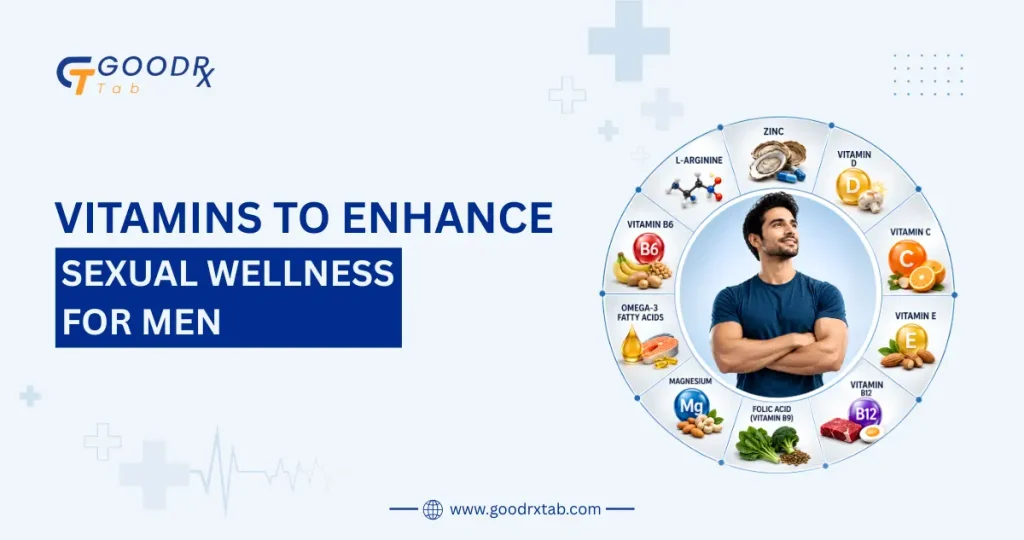
Sexual wellness is an important part of a man’s overall health. It depends on several factors, including healthy blood circulation, balanced hormones, emotional well-being, sleep, physical fitness, and proper nutrition.
When the body does not receive enough essential vitamins and minerals, a man may experience low energy, reduced sexual desire, poor stamina, mood changes, or difficulty maintaining an erection. However, vitamins should not be treated as instant performance boosters. They mainly support normal body functions and may be helpful when a nutritional deficiency is present.
Men experiencing reduced desire, tiredness, or changes in physical performance should also understand the possible causes and symptoms of low testosterone, as vitamins alone may not solve an underlying hormonal problem.
How Nutrition Supports Male Sexual Wellness
Male sexual function depends on healthy blood vessels, nerves, hormones, and brain signals. During sexual stimulation, the body releases nitric oxide, which relaxes blood vessels and increases blood flow to the penis.
Conditions such as diabetes, obesity, high blood pressure, stress, and poor cardiovascular health can interfere with this process. A balanced diet rich in vegetables, fruits, lean proteins, whole grains, nuts, and healthy fats may support better blood circulation and overall sexual wellness.
Nutrition works best when combined with regular exercise, sufficient sleep, weight management, and limited alcohol intake. Men using prescribed ED medicines may also benefit from understanding howlifestyle changes can improve ED pill effectiveness.
Important Vitamins for Men’s Sexual Wellness
1. Vitamin D
Vitamin D supports healthy bones, muscles, nerves, and immune function. The body produces vitamin D through sunlight exposure, but it can also be obtained from fatty fish, egg yolks, fortified milk, and fortified cereals.
Low vitamin D levels have been observed in some men with poor general health and erectile difficulties. However, taking vitamin D does not guarantee stronger erections or increased testosterone.
A supplement may be helpful when a blood test confirms a deficiency. Men who spend little time outdoors, have darker skin, are older, or have digestive conditions may be at greater risk of low vitamin D.
2. Vitamin B3
Vitamin B3, also called niacin, helps the body convert food into energy. It supports the nervous system, skin, and normal cell function.
Good food sources include:
- Chicken and turkey
- Fish
- Peanuts
- Brown rice
- Whole grains
- Fortified cereals
Healthy blood circulation is important for erections, but high-dose niacin should not be used as a home treatment for erectile dysfunction. Large amounts may cause flushing, itching, dizziness, stomach problems, changes in blood sugar, or liver damage.
Most men should obtain vitamin B3 through food unless a healthcare professional recommends a supplement.
3. Vitamin B9
Vitamin B9, commonly known as folate, supports DNA production, cell division, and healthy red blood cell formation.
Natural food sources include:
- Spinach and leafy vegetables
- Lentils and beans
- Broccoli
- Asparagus
- Avocado
- Oranges
- Fortified grains
Folate also helps regulate homocysteine, an amino acid found in the blood. High levels of homocysteine may affect blood vessel health. Since healthy erections depend on good circulation, obtaining sufficient folate is important.
However, folic acid supplements should not be considered a direct cure for erectile dysfunction.
4. Vitamin B12
Vitamin B12 supports healthy nerves, DNA formation, and red blood cell production. A deficiency may cause weakness, tiredness, numbness, poor concentration, and low energy.
These symptoms may indirectly affect sexual desire and stamina.
Vitamin B12 is found in:
- Meat and poultry
- Fish
- Eggs
- Milk and dairy products
- Fortified breakfast cereals
- Fortified plant-based foods
Vegans, vegetarians, older adults, and people with digestive absorption problems may be more likely to develop a vitamin B12 deficiency.
5. Vitamin C
Vitamin C is an antioxidant that helps protect cells against oxidative damage. It also supports collagen production, immunity, wound healing, and iron absorption.
Vitamin C may support healthy blood vessels, but it does not work like an erectile dysfunction medicine.
Good sources include:
- Oranges and lemons
- Guava
- Strawberries
- Kiwi
- Tomatoes
- Bell peppers
- Broccoli
Eating vitamin C-rich foods regularly is usually better than relying only on high-dose supplements.
6. Vitamin E
Vitamin E is another antioxidant that helps protect cells and supports immune and blood vessel health.
Food sources include almonds, sunflower seeds, peanuts, spinach, avocado, and vegetable oils. Although vitamin E is included in many male wellness supplements, high doses have not been proven to improve erections or sexual desire in healthy men.
Large amounts may also increase bleeding risk, especially in people taking blood-thinning medicines.
Zinc and Male Sexual Health
Zinc is a mineral rather than a vitamin, but it is important for male reproductive health. It supports immunity, DNA production, wound healing, cell growth, and normal reproductive function.
Low zinc levels may affect general health and hormone function. However, taking extra zinc will not automatically increase testosterone when the body already has enough.
Zinc can be obtained from oysters, meat, poultry, beans, nuts, pumpkin seeds, dairy products, and fortified cereals. Too much zinc may cause nausea, digestive problems, copper deficiency, and medication interactions.
Food or Supplements: Which Is Better?
For most men, food is the safest and most effective source of vitamins. Whole foods provide fibre, protein, healthy fats, minerals, and antioxidants that a tablet cannot fully replace.
Supplements may be useful when:
- A deficiency is confirmed through testing
- A doctor recommends supplementation
- A restricted diet prevents adequate nutrient intake
- A health condition affects nutrient absorption
Men should avoid products that promise instant erections, permanent enlargement, or prescription-level effects. It is also helpful to understand the common myths about erectile dysfunction before purchasing unproven male enhancement supplements online.
Lifestyle Habits That Support Sexual Wellness
Vitamins alone cannot overcome unhealthy lifestyle habits. Men can support sexual wellness by:
- Exercising regularly
- Sleeping for seven to nine hours
- Maintaining a healthy body weight
- Limiting excessive alcohol
- Avoiding smoking
- Managing stress and anxiety
- Controlling blood pressure and blood sugar
Persistent erection problems should not be ignored. They may be connected to cardiovascular disease, diabetes, hormonal problems, mental health concerns, or medication side effects. A healthcare professional can identify the cause and recommend suitable treatments for erectile dysfunction.
FAQs
Can vitamins cure erectile dysfunction?
No. Vitamins cannot cure every case of erectile dysfunction. They may help when symptoms are connected to a nutritional deficiency, but ongoing ED requires medical evaluation.
Which vitamin is best for male sexual wellness?
There is no single best vitamin. Vitamin D, B3, B9, B12, vitamin C, and vitamin E support different functions. The most useful supplement is generally the nutrient your body lacks.
Can vitamins increase testosterone?
Correcting a vitamin or mineral deficiency may support normal hormone production. However, supplements do not automatically increase testosterone in men with normal nutrient levels.
How long do vitamins take to work?
Vitamins do not produce immediate erections. If a deficiency is present, energy and general health may gradually improve after nutrient levels return to normal.
Can vitamins be taken with ED medicines?
Some vitamins may be safe with prescribed ED medicines, but supplements can contain additional ingredients. Always discuss your medicines and supplements with a doctor or pharmacist.
Final Thoughts
Vitamins can support men’s sexual wellness by maintaining healthy nerves, blood cells, muscles, hormones, energy levels, and blood vessels. However, they should not be treated as instant sexual performance products.
A balanced diet, regular physical activity, proper sleep, stress management, and medical advice for persistent symptoms offer a more reliable approach. Supplements should mainly be used when a deficiency is confirmed or when recommended by a qualified healthcare professional.
Citations
GoodRxTab only refers to credible, authoritative sources for our content. If you’re curious about how we ensure the integrity of our content, we encourage you to read our Content Information Policy.