
-
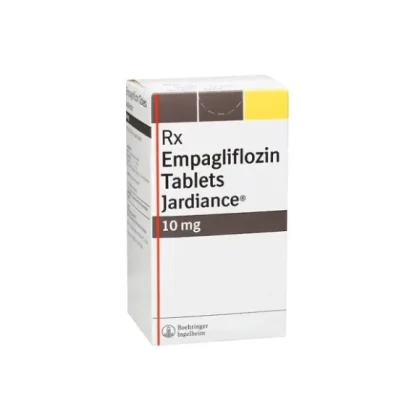
Jardiance 10 mg Tablet (Empagliflozin)
Diabetes Type 25 reviewsPrice range: $69.00 through $642.00 Select options This product has multiple variants. The options may be chosen on the product page -
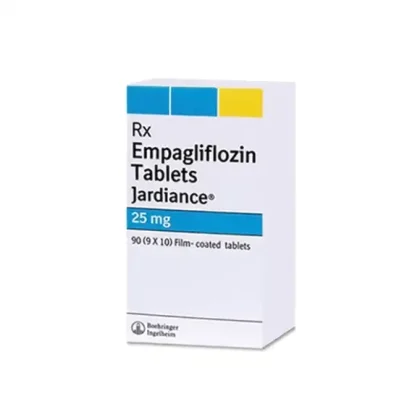
Jardiance 25 mg Tablet (Empagliflozin)
Diabetes Type 26 reviewsPrice range: $75.00 through $692.00 Select options This product has multiple variants. The options may be chosen on the product page -
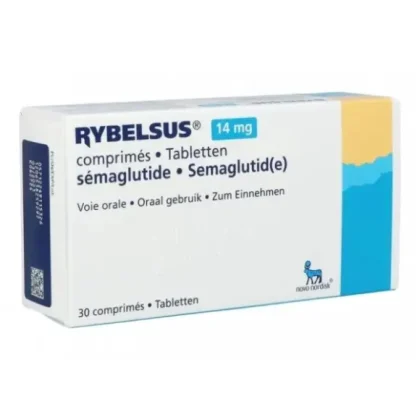
Rybelsus 14 mg Tablet (Semaglutide)
Diabetes Type 25 reviewsPrice range: $230.00 through $840.00 Select options This product has multiple variants. The options may be chosen on the product page -
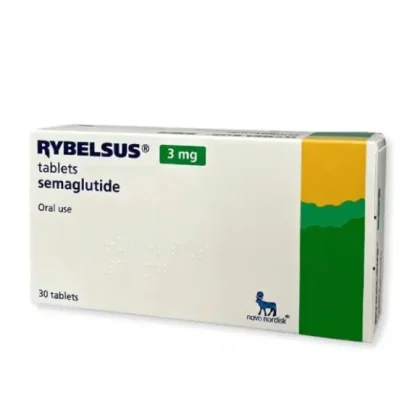
Rybelsus 3 mg Tablet (Semaglutide)
Diabetes Type 25 reviewsPrice range: $185.00 through $650.00 Select options This product has multiple variants. The options may be chosen on the product page -
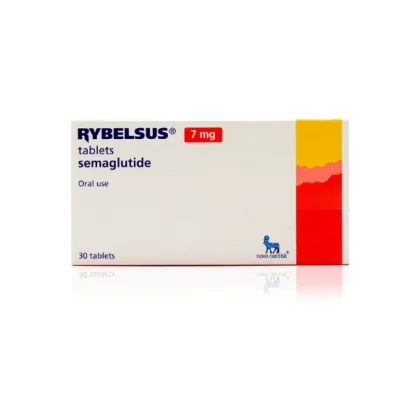
Rybelsus 7 mg Tablet (Semaglutide)
Diabetes Type 25 reviewsPrice range: $225.00 through $810.00 Select options This product has multiple variants. The options may be chosen on the product page
Diabetes Type 2
Type 2 diabetes is a long-term health condition that affects how the body controls blood sugar levels. It develops when the body does not respond properly to insulin or cannot produce enough insulin to keep blood sugar within a healthy range.
Living with type 2 diabetes requires regular care, but the condition can often be managed with the right medicines, healthy eating, physical activity, and regular blood sugar monitoring.
Different diabetes medicines are available to help control blood sugar and reduce the risk of health problems. The right treatment depends on your medical history, blood sugar levels, and overall health.
What Is Type 2 Diabetes?
Type 2 diabetes is a common form of diabetes that affects how the body uses glucose, also called blood sugar. Glucose provides energy for the body’s cells, while insulin helps move glucose from the bloodstream into those cells.
When the body becomes resistant to insulin, glucose starts building up in the blood. Over time, high blood sugar can affect important organs, including the heart, kidneys, eyes, and nerves.
Type 2 diabetes usually develops gradually. Some people may live with the condition for years without noticing any clear symptoms. Regular health checkups and blood tests can help identify diabetes early.
Although type 2 diabetes is more common in adults, it can also affect younger people.
What Are the Symptoms of Type 2 Diabetes?
The symptoms of type 2 diabetes may develop slowly and can differ from person to person.
Common symptoms include:
- Feeling thirsty more often than usual
- Frequent urination, especially at night
- Feeling tired without a clear reason
- Blurred vision
- Increased hunger
- Cuts and wounds taking longer to heal
- Unexplained weight loss
- Tingling or numbness in the hands or feet
Some people experience only mild symptoms, while others may not notice any changes.
If you experience these symptoms regularly, speak with a healthcare professional about checking your blood sugar levels.
What Causes Type 2 Diabetes?
Type 2 diabetes develops through a combination of genetic, metabolic, and lifestyle factors.
Certain factors may increase the risk of developing this condition, including:
- Having a family history of type 2 diabetes
- Being overweight or having excess abdominal fat
- Getting very little physical activity
- Having prediabetes
- Increasing age
- Having a history of gestational diabetes
However, type 2 diabetes can also develop in people who are physically active or have a healthy body weight.
Understanding your personal risk factors can help you make informed decisions about your health.
Medicines Used for Type 2 Diabetes
Different types of medicines help manage blood sugar levels in different ways. Some improve the body’s response to insulin, while others help remove excess glucose or support insulin release.
Metformin
Metformin is a commonly prescribed medicine for type 2 diabetes. It mainly reduces the amount of glucose produced by the liver and helps the body respond better to insulin.
Jardiance (Empagliflozin)
Jardiance belongs to a group of medicines called SGLT2 inhibitors. It helps the kidneys remove extra glucose from the bloodstream through urine. It may also provide heart and kidney benefits for certain patients.
Rybelsus (Semaglutide)
Rybelsus is an oral GLP-1 receptor agonist used to help adults with type 2 diabetes manage blood sugar levels. It supports insulin release when blood sugar is high and slows stomach emptying.
Insulin
Some people with type 2 diabetes need insulin when other treatments do not provide enough blood sugar control or when blood sugar levels are very high.
A healthcare professional determines which medicine or combination of treatments is appropriate for each patient.
How to Manage Type 2 Diabetes
Managing diabetes involves more than taking medicine. Simple changes in daily habits can make a meaningful difference.
Eat balanced meals: Include vegetables, whole grains, lean protein, and high-fiber foods. Pay attention to portion sizes and limit sugary drinks.
Stay physically active: Walking, cycling, swimming, and other regular activities can help improve insulin sensitivity.
Monitor blood sugar: Check your glucose levels as recommended by your healthcare professional.
Take prescribed medicines: Follow your treatment schedule and avoid changing doses without medical advice.
Attend regular checkups: Routine eye examinations, kidney tests, foot checks, and blood pressure monitoring help identify possible complications early.
Are Type 2 Diabetes Medicines Safe?
Diabetes medicines can be effective when used correctly, but they may cause side effects.
Possible side effects depend on the medicine and may include nausea, diarrhea, dehydration, or low blood sugar. Some treatments have additional precautions for people with kidney problems or other medical conditions.
Always tell your doctor about your current medicines and health conditions before starting a new diabetes treatment.
Frequently Asked Questions
Can type 2 diabetes be cured?
There is currently no permanent cure. However, some people can achieve remission through sustained weight loss and other appropriate treatments. Regular monitoring remains important.
Do all people with type 2 diabetes need insulin?
No. Many people manage their blood sugar with non-insulin medicines and lifestyle changes. Others may need insulin as their treatment needs change.
Can I stop diabetes medicine when my blood sugar becomes normal?
Do not stop prescribed medicine without consulting your doctor. Normal blood sugar readings may mean your current treatment is working.
How often should blood sugar be checked?
The frequency depends on your medication, blood sugar control, and individual treatment plan. Your healthcare professional can recommend a suitable schedule.
Choosing the Right Type 2 Diabetes Treatment
The most suitable diabetes treatment depends on several factors, including blood sugar levels, kidney function, heart health, other medicines, and personal treatment goals.
Medicines such as Metformin, Jardiance, and Rybelsus work differently, so one option may be more suitable than another.
Understanding your treatment options and following professional medical advice can help you manage type 2 diabetes and protect your long-term health.