
Jardiance
Jardiance is a prescription medicine used to manage type 2 diabetes and help protect heart and kidney health in certain patients. It contains empagliflozin, an active ingredient that helps the body remove extra sugar through urine. This lowers blood sugar levels and supports better diabetes management when combined with a healthy diet and regular exercise.
Jardiance belongs to a group of medicines called sodium-glucose co-transporter 2 (SGLT2) inhibitors. Unlike some diabetes medicines that mainly affect insulin, Jardiance works through the kidneys. It is available in two strengths, 10 mg and 25 mg, allowing doctors to choose a suitable dose based on the patient’s medical condition and treatment needs.
What Is Jardiance Used For?
Jardiance is prescribed for several medical conditions, including type 2 diabetes, heart failure, and certain forms of chronic kidney disease.
Its main approved uses include:
-
Type 2 Diabetes: Helps improve blood sugar control in adults and children aged 10 years and older when used alongside diet and exercise.
-
Heart Failure: Reduces the risk of cardiovascular death and hospitalization for heart failure in adults.
-
Chronic Kidney Disease: Helps lower the risk of worsening kidney function, kidney failure, and certain cardiovascular complications in adults at risk of disease progression.
-
Cardiovascular Protection: Reduces the risk of cardiovascular death in adults with type 2 diabetes and established cardiovascular disease.
Jardiance is not recommended for managing blood sugar in people with type 1 diabetes because it can increase the risk of diabetic ketoacidosis.
How Does Jardiance Work?
The kidneys normally filter sugar from the blood and return much of it to the bloodstream. In people with type 2 diabetes, this process can contribute to high blood sugar levels.
Jardiance blocks a protein called SGLT2 in the kidneys. This allows more glucose to leave the body through urine instead of returning to the blood.
As a result, blood sugar levels decrease without directly stimulating insulin production.
Jardiance also has beneficial effects on the heart and kidneys. These effects make it useful for certain patients with heart failure or chronic kidney disease, even when they do not have diabetes.
Available Strengths of Jardiance
Jardiance comes in two oral tablet strengths.
Jardiance 10 mg
Jardiance 10 mg is the usual starting dose for adults. It is prescribed for blood sugar management and is also the recommended dose for its approved heart failure and chronic kidney disease indications.
Jardiance 25 mg
Jardiance 25 mg may be prescribed for patients who need additional blood sugar control and can tolerate the 10 mg dose. The higher strength should only be used when recommended by a healthcare professional.
Both strengths contain empagliflozin, but the correct dose depends on the patient’s treatment goals and kidney function.
Benefits of Jardiance Tablets
Jardiance offers several benefits for eligible patients receiving treatment for diabetes or related medical conditions.
Some important benefits include:
-
Helps lower elevated blood sugar levels.
-
Supports long-term type 2 diabetes management.
-
Reduces certain heart-related risks in eligible patients.
-
Helps slow kidney disease progression in certain adults.
-
Can be used alongside some other diabetes medicines when prescribed.
Jardiance may also cause modest weight loss in some patients because glucose is removed through urine. However, it is not approved as a weight-loss medicine.
How to Take Jardiance?
Jardiance is usually taken once daily in the morning, with or without food. Swallow the tablet with water and follow the instructions provided by your doctor.
Taking the medicine regularly helps maintain consistent treatment.
If you miss a dose, take it when you remember unless it is nearly time for your next scheduled dose. Do not take two doses together.
Your doctor may check your kidney function before starting treatment and during follow-up visits. Jardiance may also need to be stopped temporarily before surgery or during certain illnesses.
Possible Side Effects of Jardiance
Like other prescription medicines, Jardiance may cause side effects.
Common side effects include urinary tract infections, genital yeast infections, and increased urination.
Some patients may experience dehydration, dizziness, or low blood sugar, particularly when Jardiance is combined with insulin or certain other diabetes medicines.
Rare but serious risks include diabetic ketoacidosis, severe urinary infections, and serious infections around the genital area.
Seek immediate medical attention for symptoms such as vomiting, stomach pain, unusual tiredness, difficulty breathing, or severe genital pain and swelling. Ketoacidosis can occur even when blood sugar is not very high.
Precautions Before Taking Jardiance
Before using Jardiance, tell your doctor about any kidney problems, previous urinary infections, dehydration, or other medical conditions.
Patients who are pregnant, planning pregnancy, or breastfeeding should discuss suitable alternatives with their healthcare provider.
It is also important to mention all other medicines, including insulin, diabetes tablets, and diuretics.
Drink enough fluids unless your doctor recommends restricting fluid intake. Do not change your dosage or stop prescribed treatment without medical advice.
Choosing the Right Jardiance Treatment
Jardiance can play an important role in managing type 2 diabetes and reducing certain heart and kidney complications. However, not every patient needs the same strength or treatment plan.
Some people may benefit from Jardiance 10 mg, while others may require Jardiance 25 mg for additional blood sugar control.
Explore the available Jardiance tablet strengths to understand their uses and differences. Always follow professional medical advice when choosing a prescription medicine.
Showing all 2 results
-
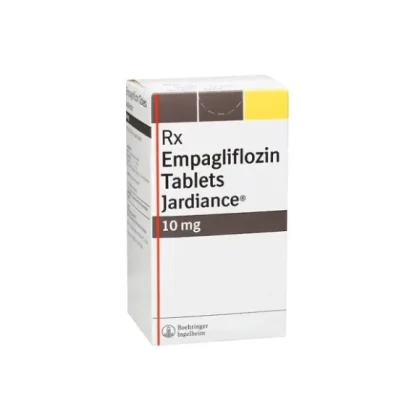
Jardiance 10 mg Tablet (Empagliflozin)
Diabetes Type 25 reviewsPrice range: $69.00 through $642.00 Select options This product has multiple variants. The options may be chosen on the product page -
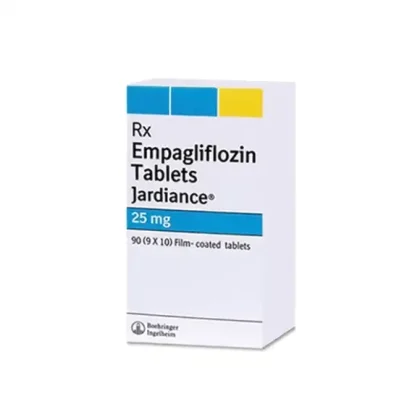
Jardiance 25 mg Tablet (Empagliflozin)
Diabetes Type 26 reviewsPrice range: $75.00 through $692.00 Select options This product has multiple variants. The options may be chosen on the product page